

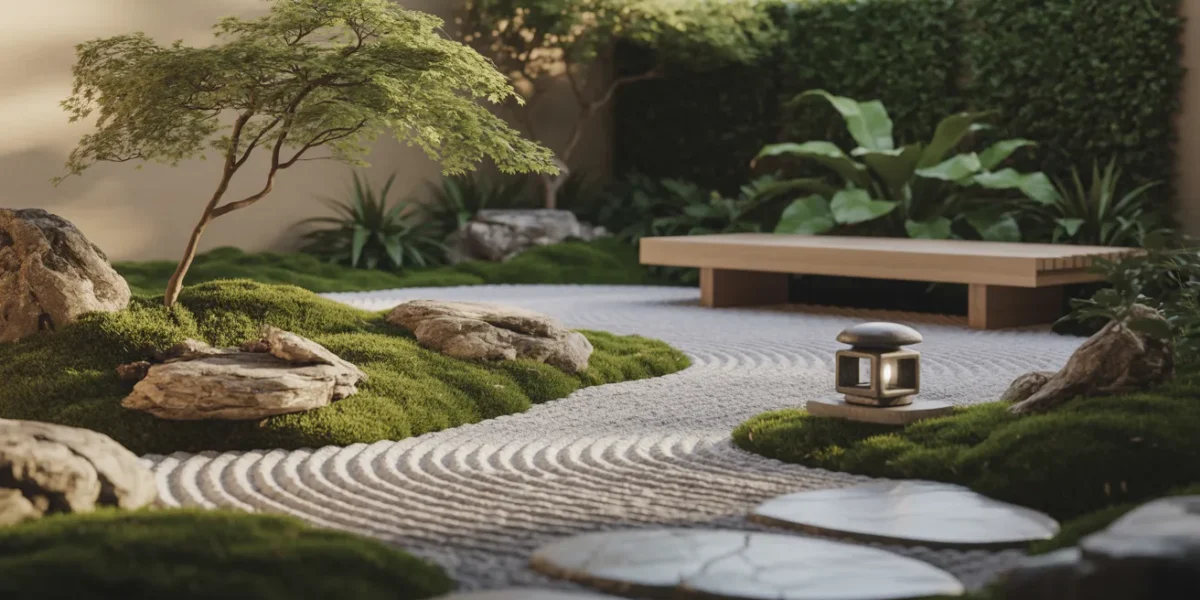
Sometimes a backyard feels less like a retreat and more like one more thing on your to do list. That is exactly why I love zen gardens. They feel quiet, grounded, and calming in a way that most outdoor spaces do not. You do not need a huge yard, a massive budget, or some mysterious design gift either. You just need a clear idea, a little restraint, and a willingness to stop adding random stuff just because Pinterest made it look tempting.
I have always liked outdoor spaces that help me slow down for a minute. Not in a dramatic “I have become one with nature” kind of way. Just in a real, everyday way where I sit down, take a breath, and feel less mentally scrambled. A good zen garden does that beautifully. It uses simple materials, natural textures, and open space to create a peaceful look that never feels forced.
If you want an outdoor space that feels calm, looks elegant, and gives your eyes a break from clutter, these zen garden ideas 2026 will help. Some ideas work for tiny corners, some suit larger backyards, and all of them can make your space feel more peaceful without trying too hard.
1. Start With a Simple Gravel Base
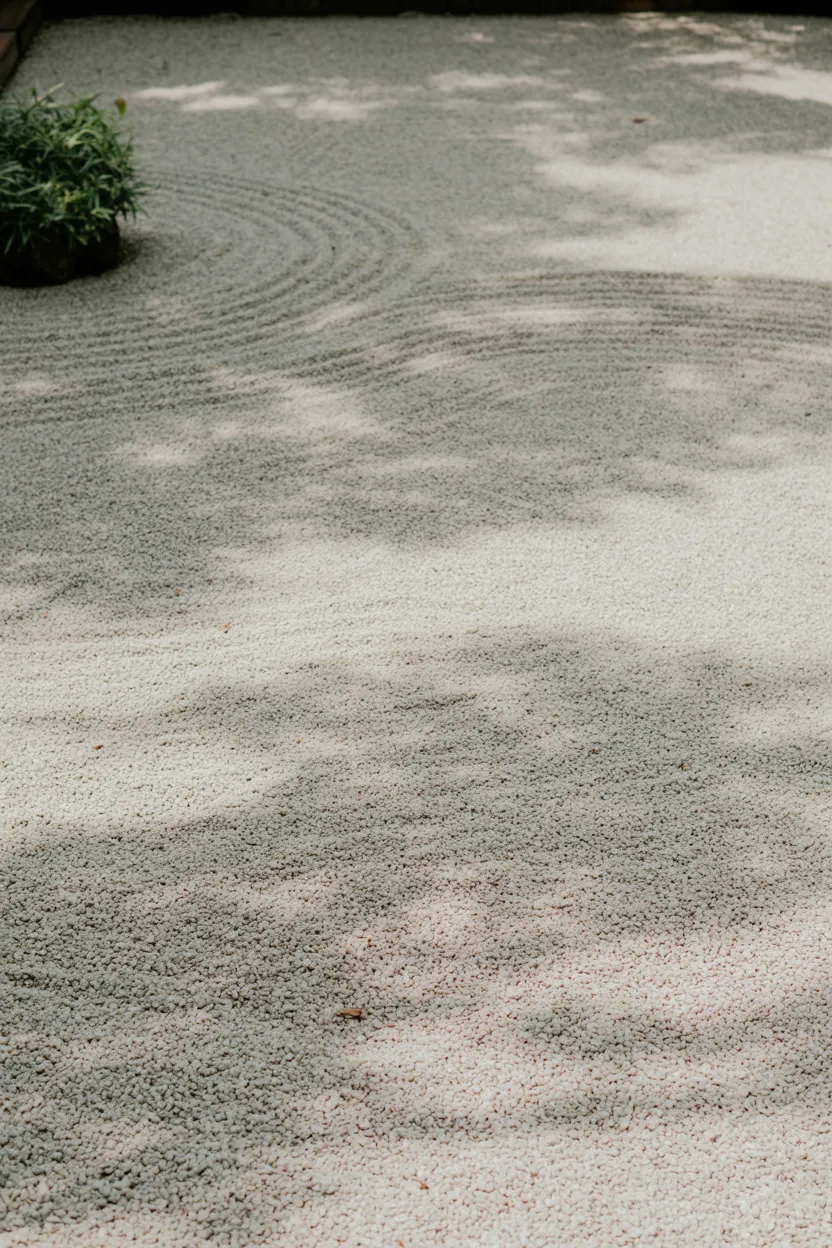
A gravel base gives your zen garden a clean and grounded starting point. It instantly makes the area feel more intentional, which matters a lot when you want peace instead of visual chaos. I honestly think this is one of the smartest ways to begin because it sets the tone for everything else.
Choose fine gravel, crushed stone, or decomposed granite in soft shades like beige, warm gray, light taupe, or off white. Those muted colors create a calm backdrop and make the whole garden feel brighter and more open. Darker gravel can work too, but lighter tones usually feel softer and more serene.
Also Read: 23 Vertical Garden Ideas 2026 for Small Spaces That Wow
You can leave the gravel flat and simple, or you can rake it into patterns later if you want a more traditional zen look. Either way, the base matters. It ties the whole space together and helps every rock, plant, and path look like it belongs there.
What I really like about gravel is how quietly effective it feels. It does not scream for attention. It just sits there looking clean, natural, and oddly soothing. Sometimes that is exactly what a garden needs.
2. Add Large Statement Rocks
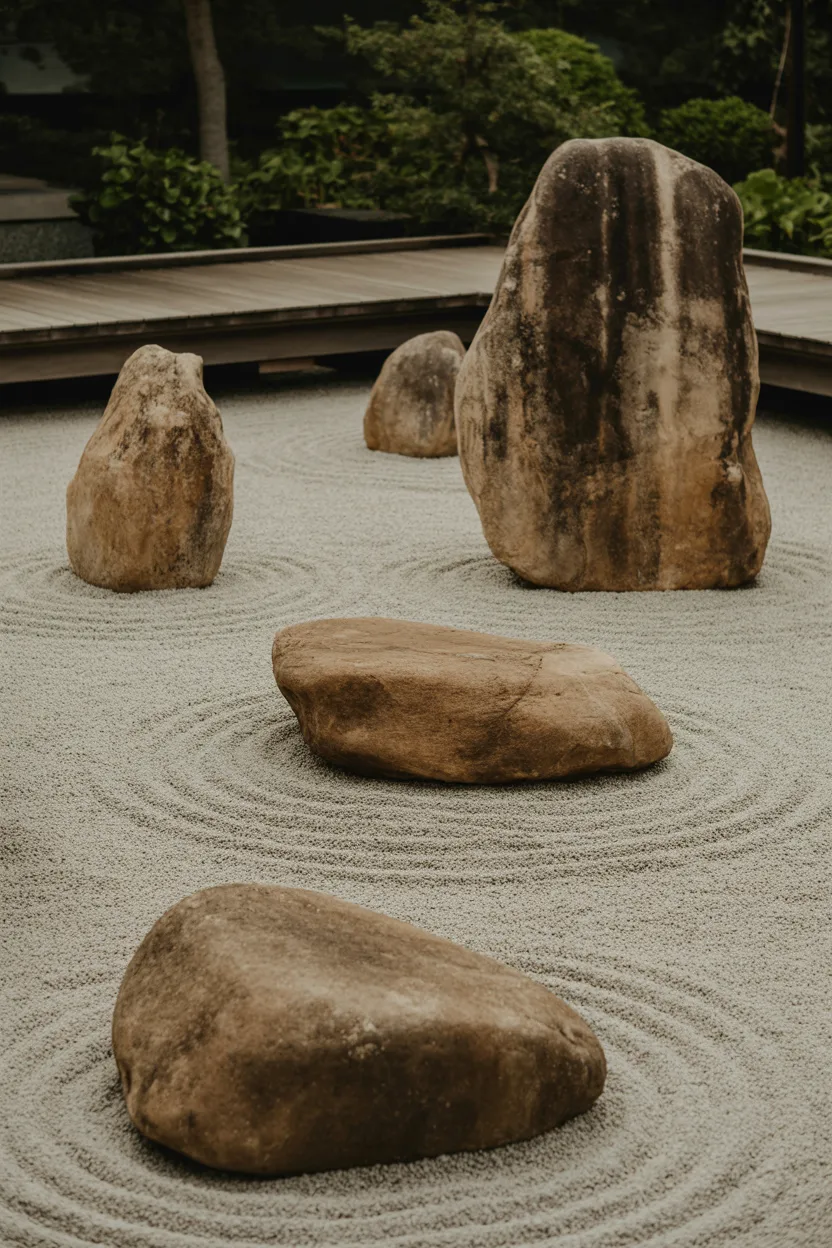
Large rocks bring structure and presence to a zen garden. They anchor the design and make the space feel timeless, as if it has always looked that way. Small decorative pieces often feel busy, but a well placed rock feels calm and confident.
Try grouping two to five large stones in a way that feels natural rather than overly planned. I would avoid placing them in perfect rows because that usually looks stiff. Nature almost never lines things up neatly, and a zen garden looks better when it feels organic.
You can use rocks to represent islands, mountains, or stillness depending on the layout. Even if you never think about symbolism, the effect still works. A few bold stones instantly give the garden more depth and character.
I always prefer one beautiful oversized rock to a dozen tiny decorative items. One looks thoughtful. The other looks like you got distracted in the garden aisle and lost control.
3. Create Raked Patterns for a Traditional Feel
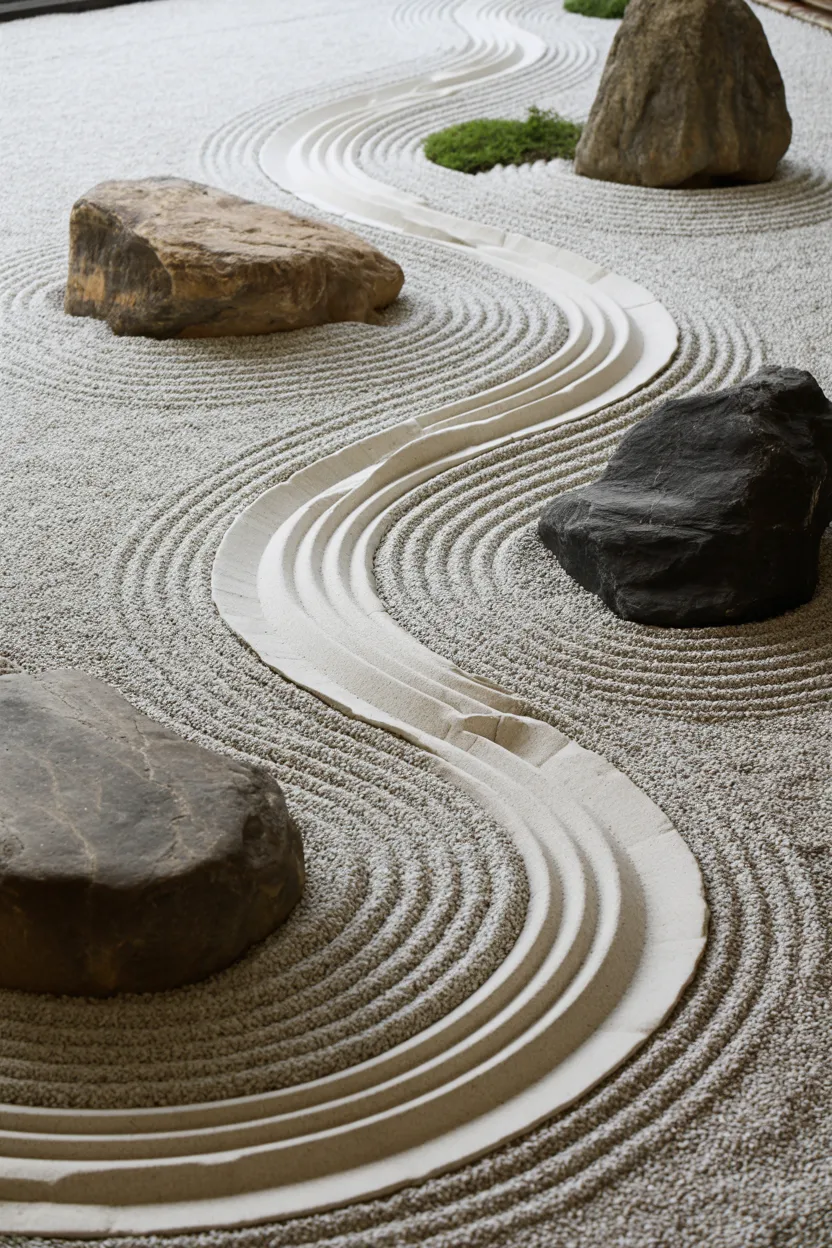
Raked patterns give a zen garden that classic meditative look people instantly recognize. They add movement to the space without adding actual clutter, and that balance makes the garden feel peaceful instead of flat. If you want a traditional touch, this idea works beautifully.
Use a wide rake to draw gentle lines through the gravel or sand. You can keep the pattern simple or make it a little more detailed around stones and focal points. The goal is not perfection. The goal is rhythm and calm.
Also Read: 25 Garden Office Ideas 2026 for a Quiet Work Escape
Here are a few pattern ideas that work well:
- Straight lines for a clean and orderly look
- Waves to mimic the feeling of moving water
- Circular ripples around rocks for a soft traditional effect
- Curved lines to create a more natural flow
One thing I love about raking gravel is that it turns maintenance into a calming ritual. You are not just cleaning up. You are resetting the energy of the space a little. That sounds dramatic, I know, but once you do it, you kind of get it.
4. Use Moss for a Soft, Quiet Look
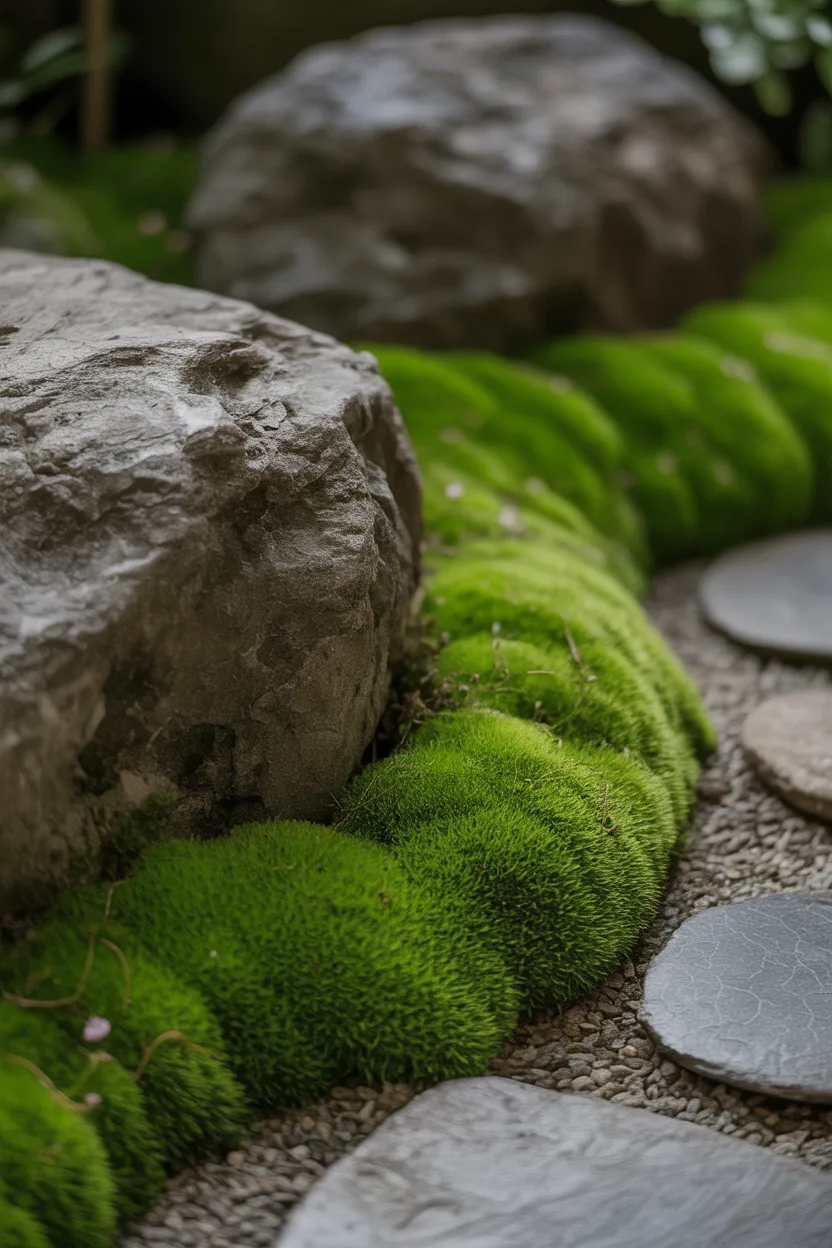
Moss adds softness in a way that almost nothing else can. Stone and gravel create structure, but moss adds that lush, quiet layer that makes the whole garden feel older and more peaceful. It almost looks like the space has been gently settling into itself for years.
Use moss around rocks, between stepping stones, or in shaded corners where it can thrive. Its rich green color helps break up the neutral tones of the gravel without feeling bright or distracting. That subtle contrast works really well in zen spaces.
I especially like moss in gardens that need a little softness. If everything feels too hard or too dry, moss balances it out. It makes the space feel cooler, calmer, and more grounded.
Also Read: 20 Container Gardening Ideas 2026 for Easy Growing
And honestly, moss has that rare ability to look beautiful without trying. It just quietly exists and somehow improves everything around it. We should all be that relaxed.
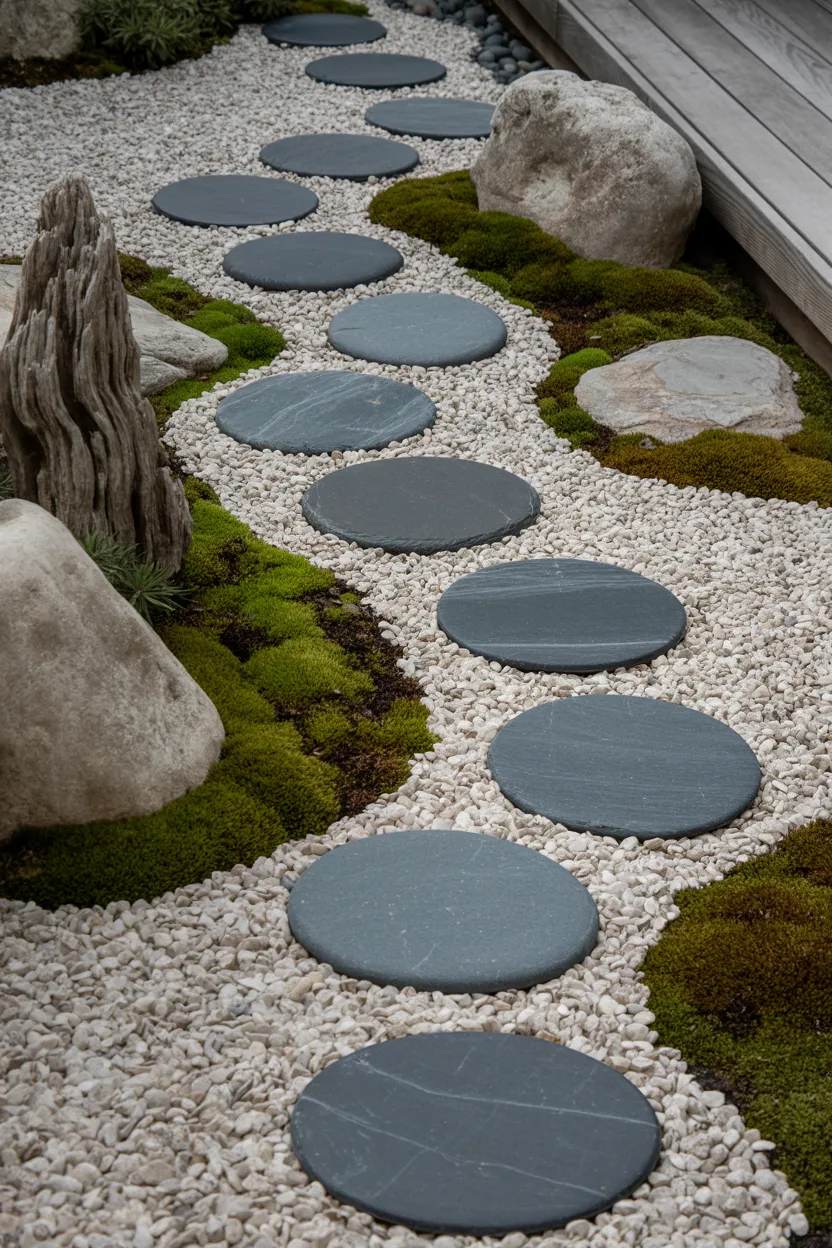
5. Add a Stone Path That Slows You Down
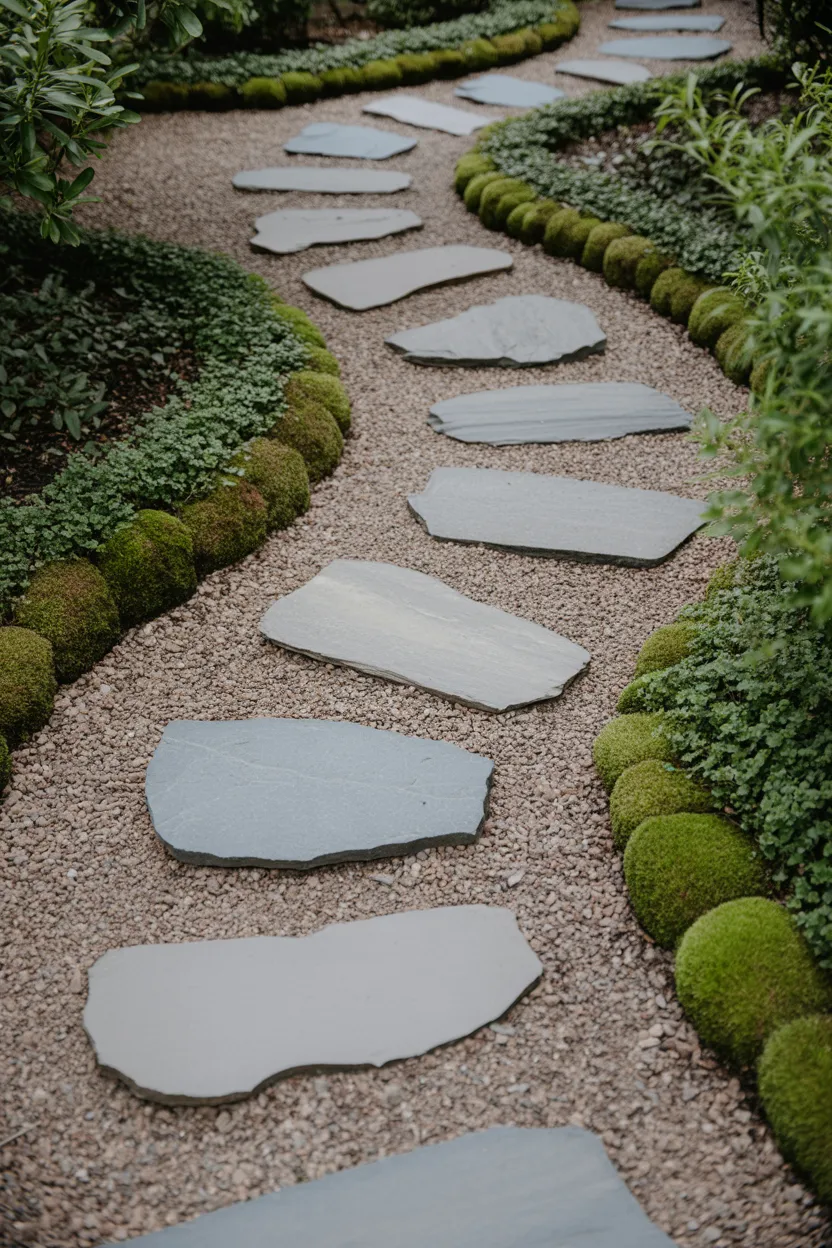
A stone path adds more than just function. It changes how you move through the space, and that changes how the garden feels. Instead of rushing from one side to the other, you naturally slow down and notice what is around you.
Use flat stepping stones with some space between them to create a relaxed walking rhythm. You do not want the path to feel too formal. A slightly uneven placement often looks more natural and more peaceful.
Stone paths also help guide the eye through the garden. They create a gentle sense of direction without making the layout feel rigid. In a larger yard, that matters even more because the path helps connect different elements without making the design feel heavy.
I like paths that force me to walk a little more carefully. They remind me to pay attention, which is kind of the whole point of a zen garden in the first place.
6. Frame the Space With Bamboo
Bamboo adds height, privacy, and beautiful texture to a zen garden. It creates a soft natural screen that makes the garden feel more enclosed and peaceful without feeling heavy. That sense of enclosure helps the space feel like a retreat.
Also Read: 22 Mediterranean Garden Style 2026 That Feels Like Vacation
You can use bamboo in several ways:
- As a privacy screen along a fence
- As a backdrop behind rocks or a bench
- As a side border to frame the layout
- In containers for patios or small spaces
The sound of bamboo moving gently in the wind adds another layer of calm. It is subtle, but it makes a difference. A garden that sounds peaceful feels more immersive.
Just make sure you choose the right bamboo variety. Some types spread aggressively, and that can turn your calm little retreat into a full time management problem. Not exactly peaceful.
7. Try a Mini Zen Garden in a Small Corner
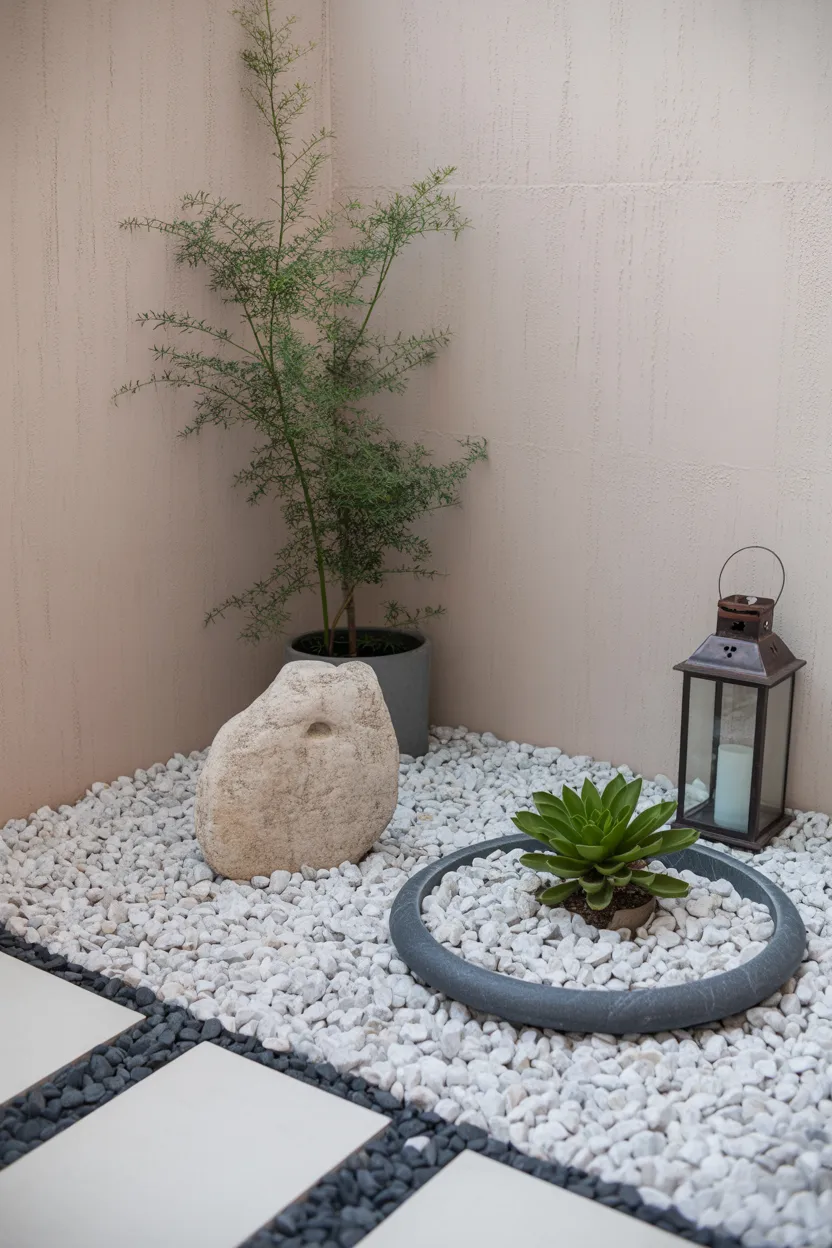
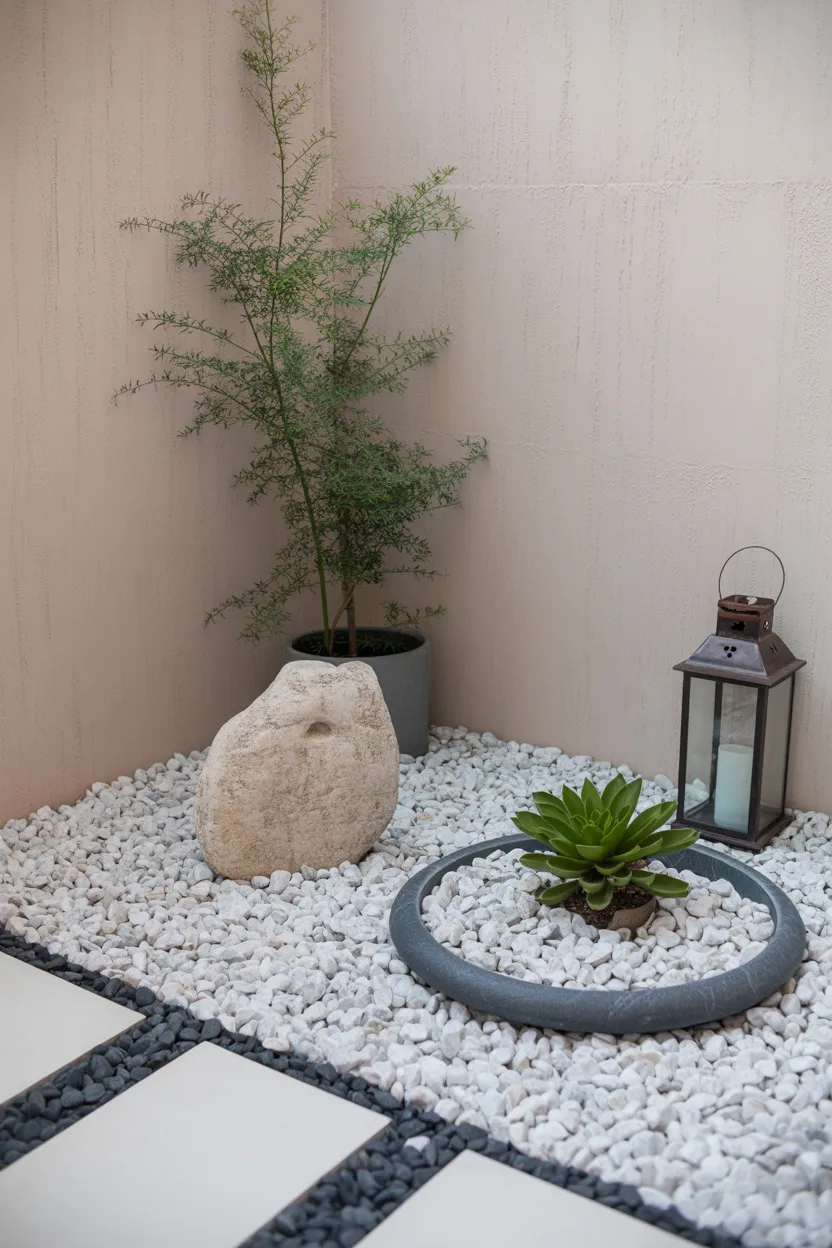
You absolutely do not need a big yard for this style to work. A small unused corner can become a beautiful mini zen garden if you keep the design simple and focused. In fact, smaller spaces often feel even more intentional because every element matters.
Start with a compact gravel section, then add one or two stones, a small plant, and maybe a lantern or low feature. That is enough to create atmosphere without crowding the space. The key is resisting the urge to keep adding things.
A tiny zen corner works well near patios, side yards, balconies, or even small front garden areas. It gives you a calm visual moment without demanding a full backyard redesign. That makes it a great option if you want the look without the major project.
I actually love small zen gardens because they prove you do not need a huge space to create a strong mood. Sometimes one quiet corner does more than an entire over decorated backyard.
8. Add a Low Wooden Bench
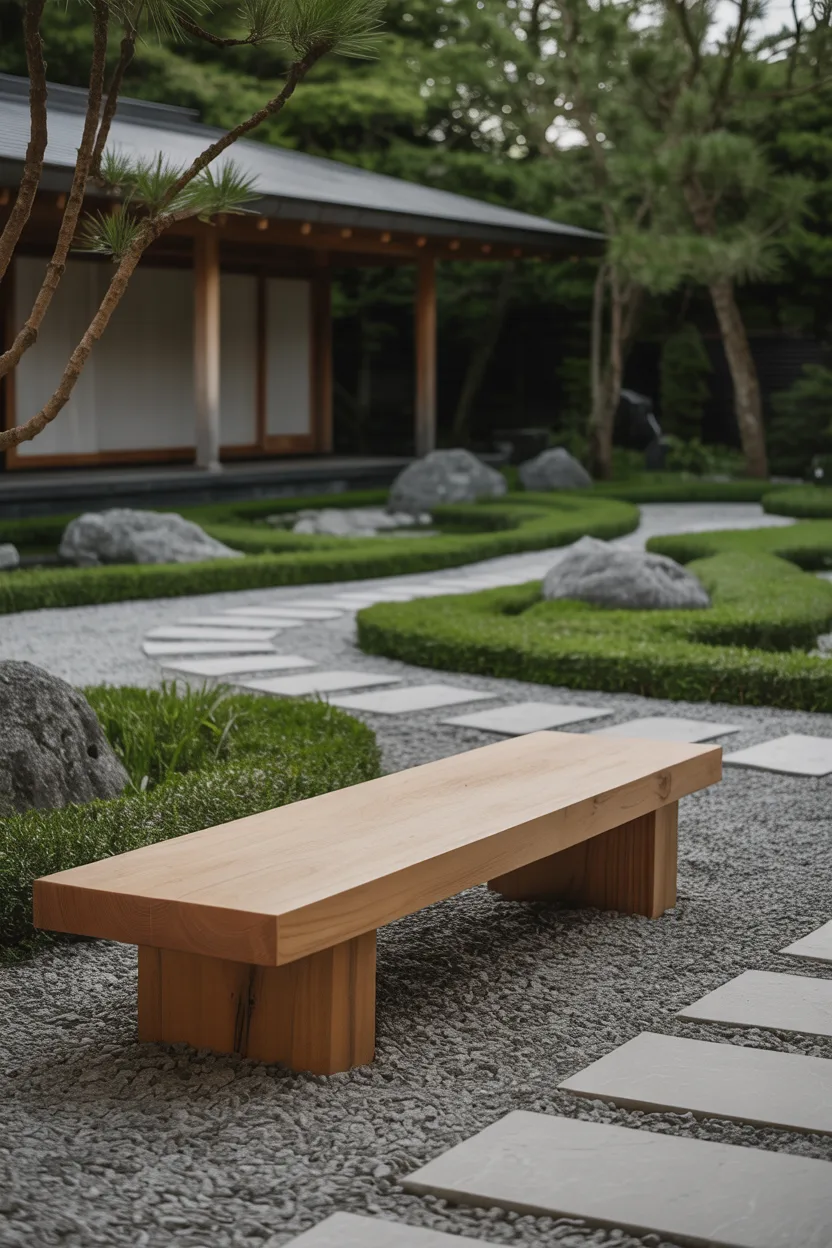
A zen garden should not just look peaceful. It should give you a reason to stop and enjoy it. A low wooden bench does exactly that. It adds function, warmth, and a simple place to sit without interrupting the calm design.
Choose a bench in a natural wood finish with clean lines and a low profile. Avoid anything bulky, ornate, or overly cushioned. The bench should feel like part of the landscape, not like it wandered in from a different patio setup.
Place the bench where it faces your favorite part of the garden. That could be a gravel pattern, a tree, a rock grouping, or just an open quiet view. Position matters because this piece helps shape how you experience the space.
I love a simple bench in a zen garden because it turns the whole area from something decorative into something livable. It says, “Sit down for a second.” Which, to be fair, most of us need more often.
9. Use Japanese Maples for Elegant Color
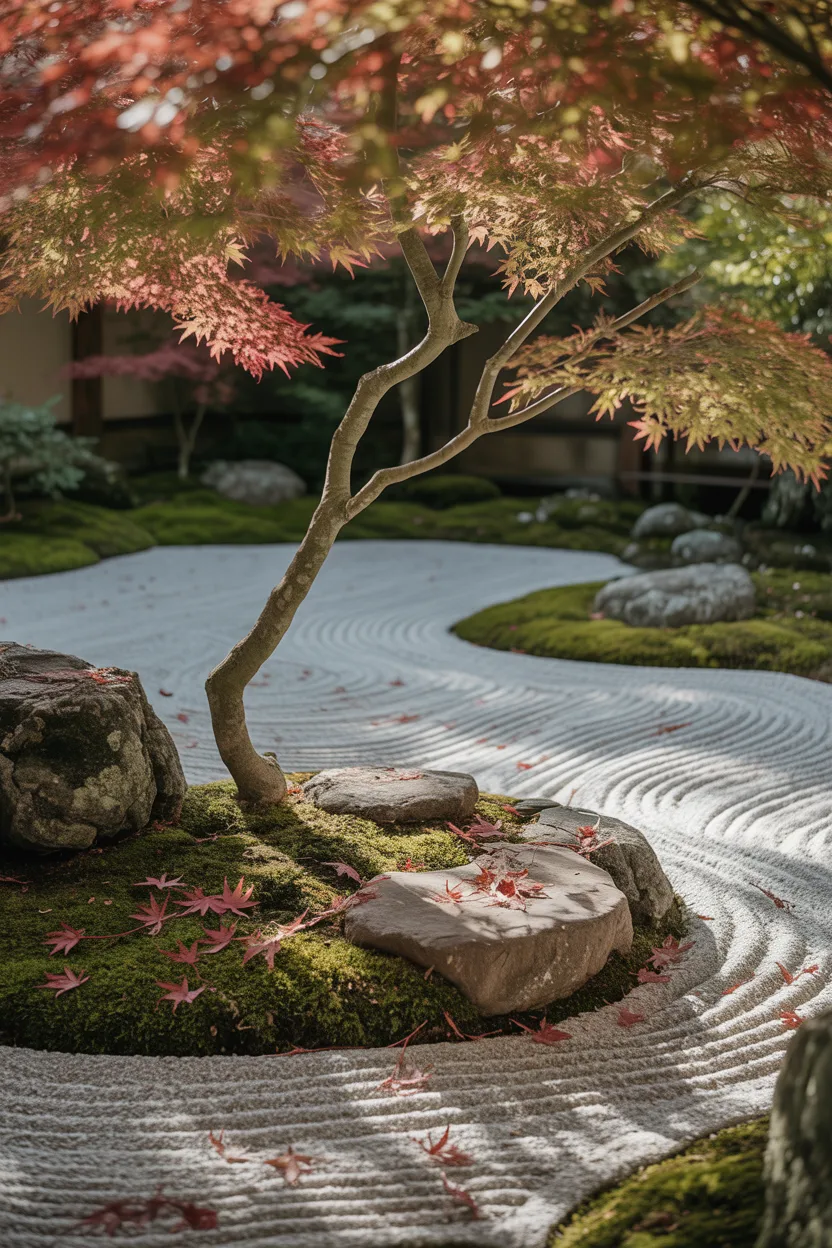
Japanese maples bring color to a zen garden in a refined and graceful way. They never feel loud or chaotic, which makes them perfect for a peaceful landscape. Their delicate leaves and sculptural shape add interest without stealing all the attention.
One small maple can act as a focal point and bring a lot of beauty to the space. Deep burgundy leaves create a rich dramatic contrast, while soft green varieties keep the mood lighter and more subtle. Either choice works beautifully depending on your palette.
These trees also add seasonal change, which gives the garden a more dynamic feel throughout the year. Watching the leaves shift tones can make the space feel even more alive and connected to nature.
Also Read: 21 Outdoor Meditation Space 2026 Ideas for Daily Calm
I think Japanese maples are one of those plants that make a garden look instantly more thoughtful. You add one tree, and suddenly the whole space looks like you know exactly what you are doing.
10. Add a Water Basin for Gentle Detail
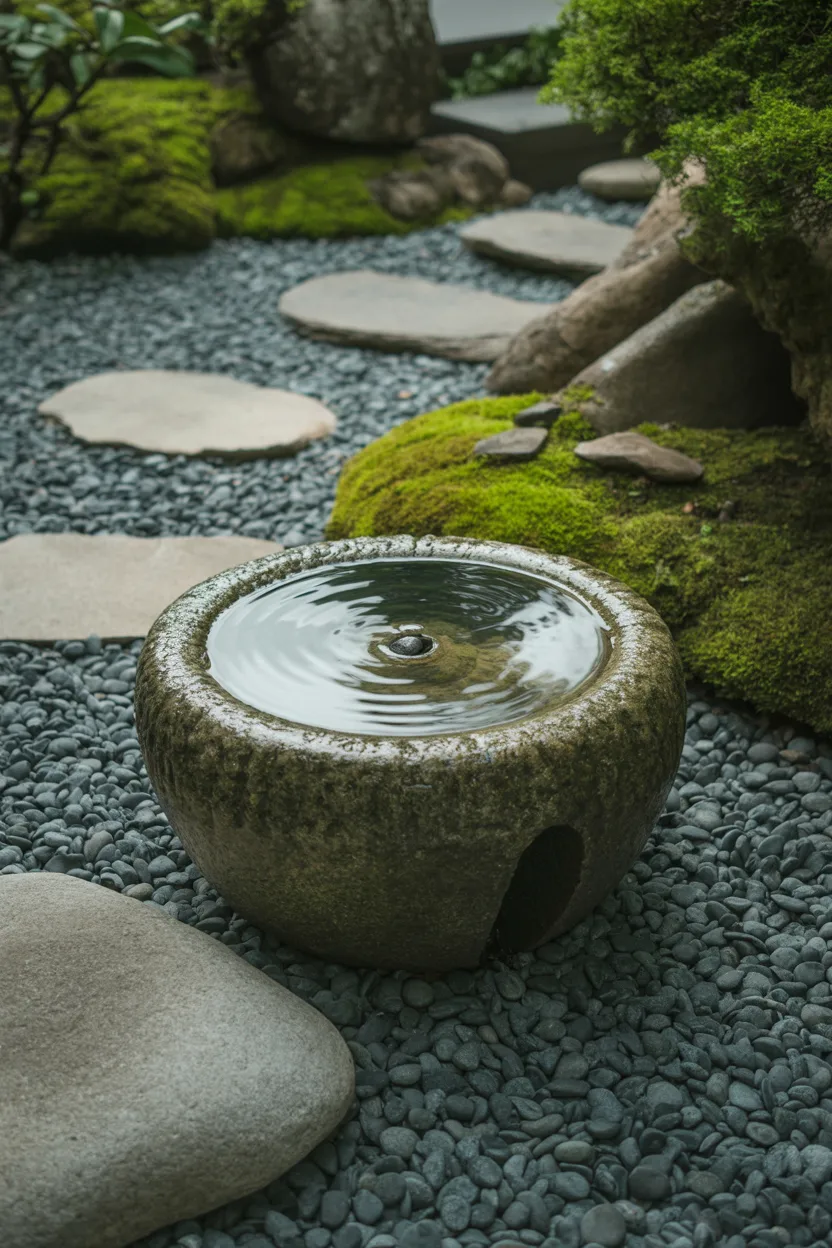
A small water basin introduces a quiet sense of ritual to the garden. It feels traditional, simple, and calming without turning the space into a full blown water feature. That balance makes it perfect for zen design.
Choose a stone or concrete basin with a simple form and place it near rocks, moss, or a path. You can keep it still or add a gentle water source if you want soft sound. Just keep the scale small and the design understated.
Water reflects light, adds texture, and gives the garden another sensory layer. Even a tiny basin can make the area feel more complete. You do not need a pond or waterfall to create that effect.
I love this idea because it feels peaceful and intentional. It also looks expensive in the best way, even when it is actually a pretty simple addition.
11. Use Lanterns for Soft Evening Atmosphere
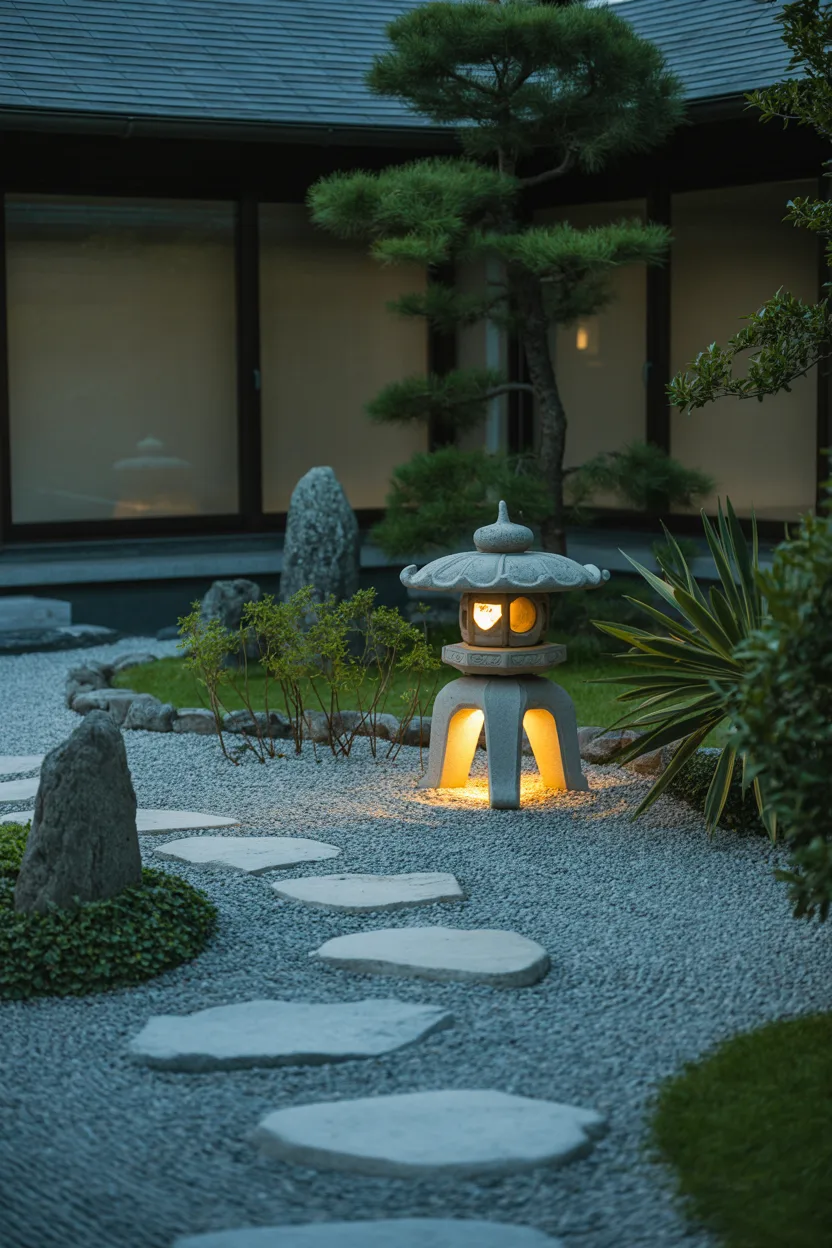
Lanterns give a zen garden a quiet glow after sunset and make the space feel inviting at night. That soft lighting adds mood without overpowering the design. Bright floodlights ruin the whole vibe fast, so subtle lighting matters here.
Stone lanterns look classic, while metal or concrete styles can feel more modern. Place them along a path, near a bench, or beside a focal rock grouping. Keep the lighting low and warm so it highlights the textures instead of blasting the whole yard.
Lanterns also help extend the use of the garden into the evening. Even if you only step outside for a few minutes, the atmosphere feels calmer and more intentional with gentle light.
I have a soft spot for outdoor lighting that knows how to behave. A quiet lantern glow feels elegant. Harsh white lighting feels like the garden is under interrogation.
12. Keep the Plant Palette Limited
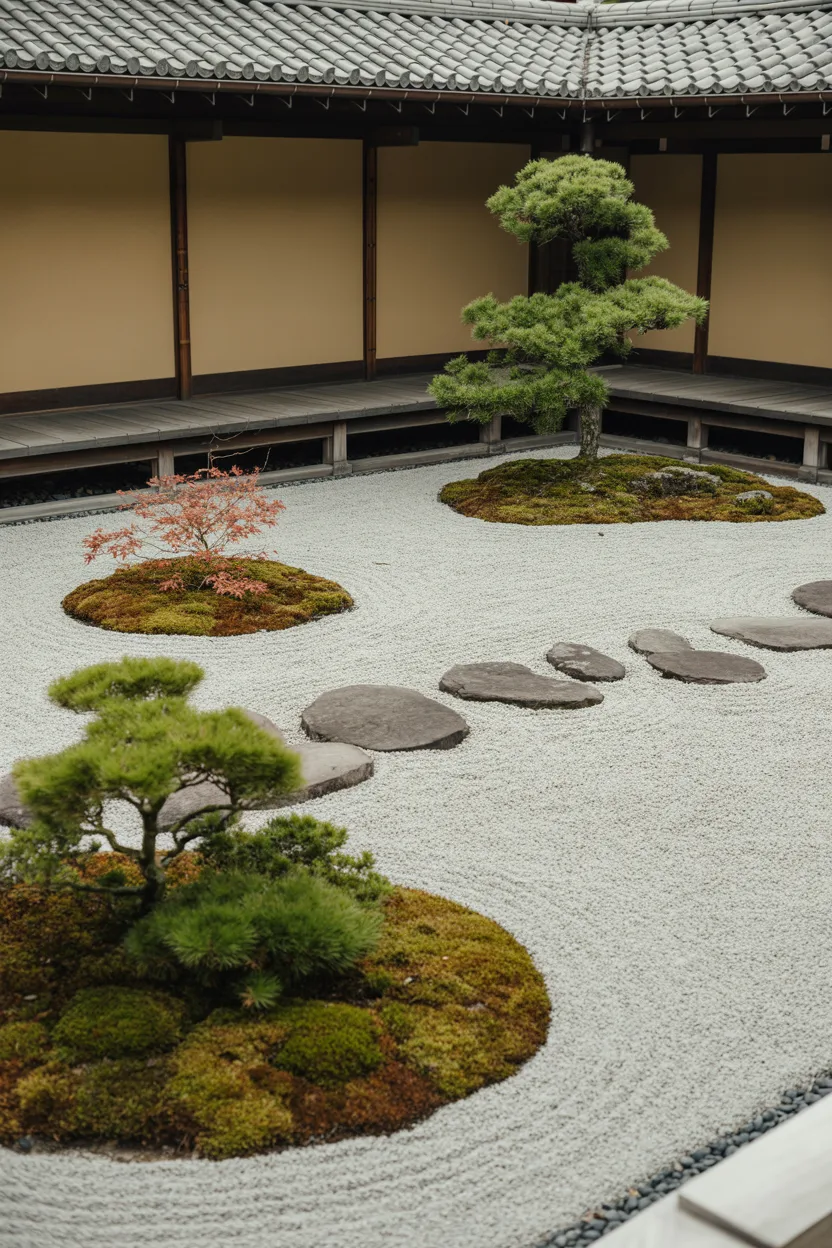
A zen garden looks better when the plant selection stays simple. Too many plant types create visual noise, and that works against the calm effect you want. This style depends on restraint more than abundance.
Also Read: 24 Low Maintenance Garden Ideas 2026 That Still Look Amazing
Stick with a small group of plants that work well together, such as:
- Moss
- Bamboo
- Japanese maple
- Dwarf pine
- Ferns
- Low ornamental grasses
When you repeat the same few plants, the space feels more cohesive and balanced. Your eye moves through the garden more easily because nothing competes too hard for attention.
This tip sounds boring at first, but it makes a huge difference. Not every garden needs fifteen colors and twenty plant varieties. Sometimes fewer choices create a stronger result.
13. Add a Dry Stream Bed
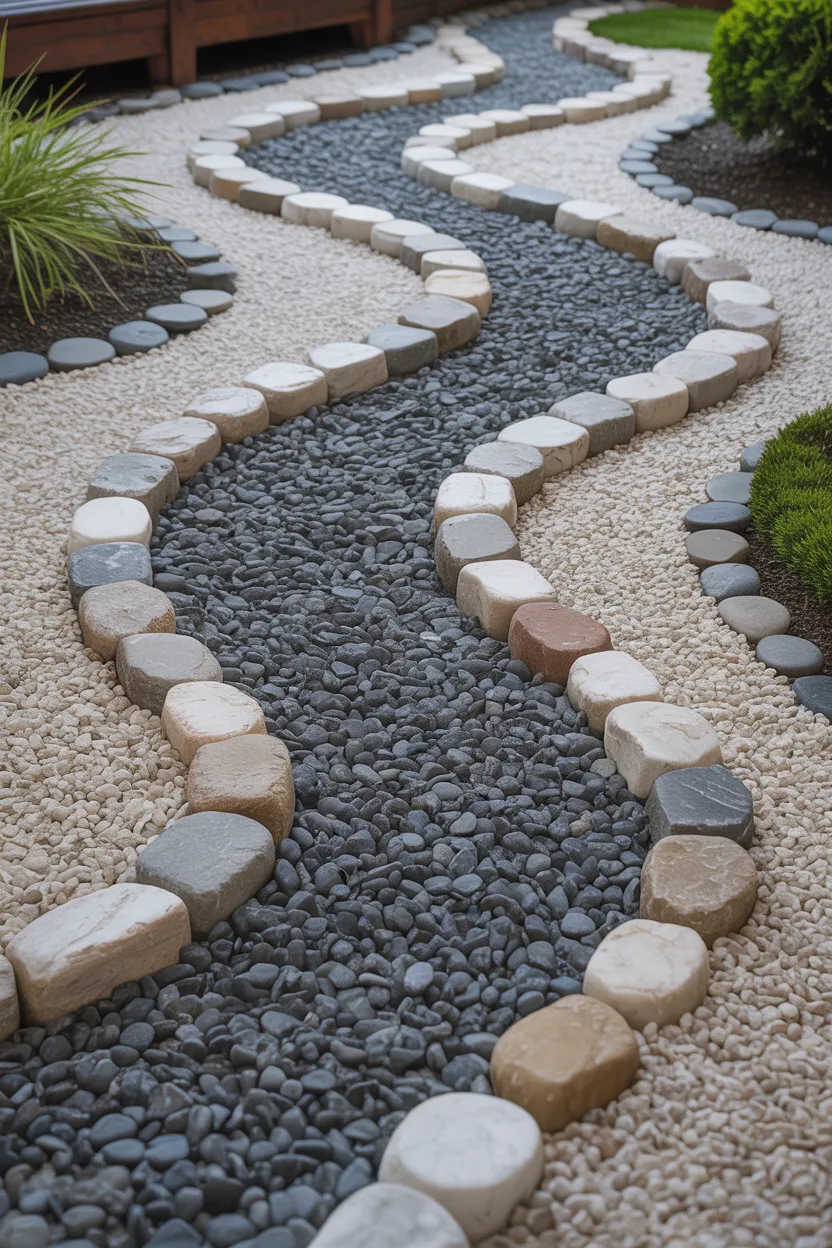
A dry stream bed gives you the visual movement of water without the work of maintaining an actual water feature. It creates shape, flow, and a natural focal line through the garden. That makes it both practical and beautiful.
Use curved bands of gravel or small stones to represent the stream, then edge it with larger rocks to define the shape. You can make it narrow and subtle or let it wind more dramatically through the space depending on the size of your yard.
This feature works especially well in larger zen gardens because it helps connect separate areas. It draws the eye through the landscape and adds quiet motion without needing anything flashy.
Also Read: 23 Outdoor Yoga Space 2026 Ideas That Feel Peaceful
I really like dry stream beds because they feel creative without becoming fussy. They add interest, but they still stay true to that peaceful, low key zen mood.
14. Include a Tea Corner
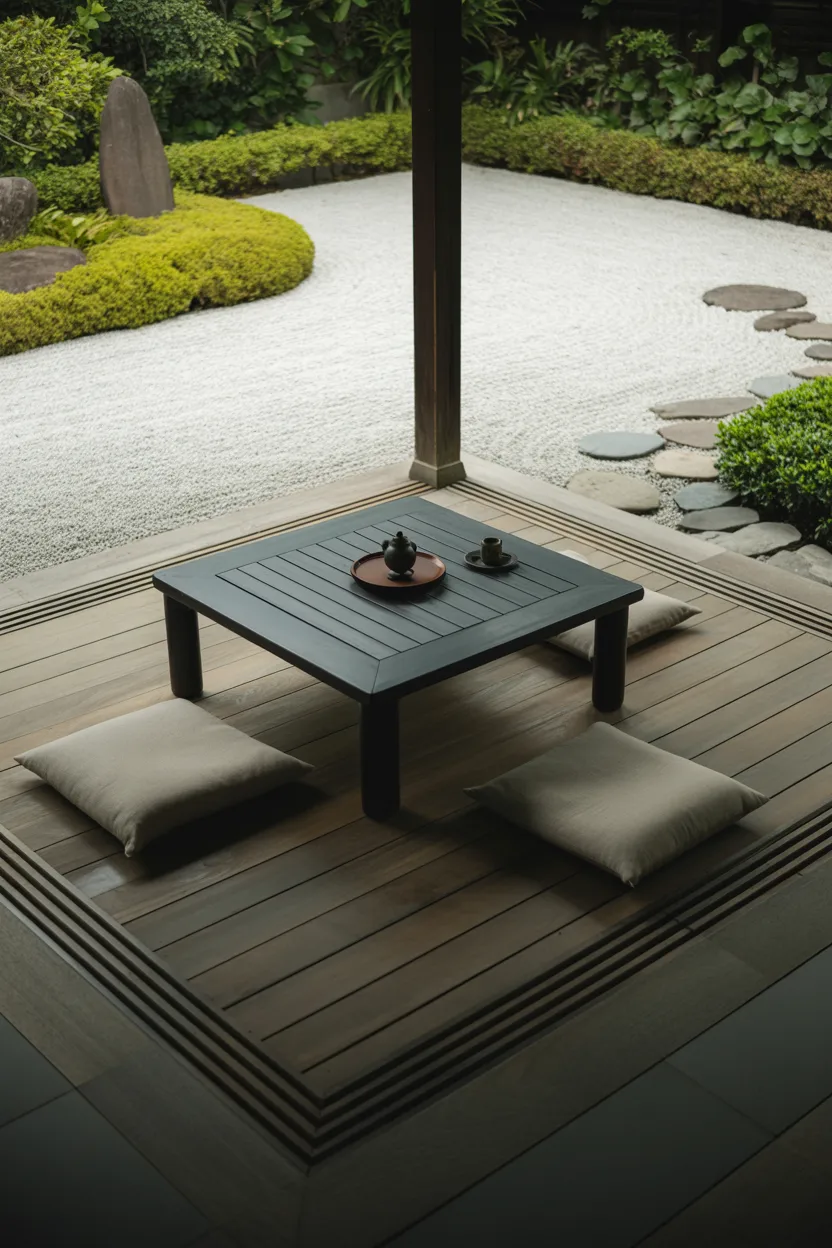
A tea corner turns your zen garden into a place you actually use instead of just admire from a window. That makes the whole space more personal and more meaningful. Even a small setup can create a lovely quiet retreat.
You do not need much. A simple chair or bench, a low table, and a clean surrounding area are enough. Keep the furniture minimal and natural so it fits into the garden rather than distracting from it.
This kind of corner works beautifully near a tree, beside a gravel area, or in a sheltered part of the yard. Add a cushion if you want comfort, but keep the styling calm and understated.
I love the idea of having a spot where you can sit with tea, coffee, or honestly even just your tired brain and do absolutely nothing for a few minutes. That is luxury now, apparently.
15. Try a Courtyard Zen Garden Layout
Courtyards make excellent homes for zen gardens because they already feel enclosed and private. That built in sense of separation helps the garden feel calm right away. You step in, and the noise of everything else fades a little.
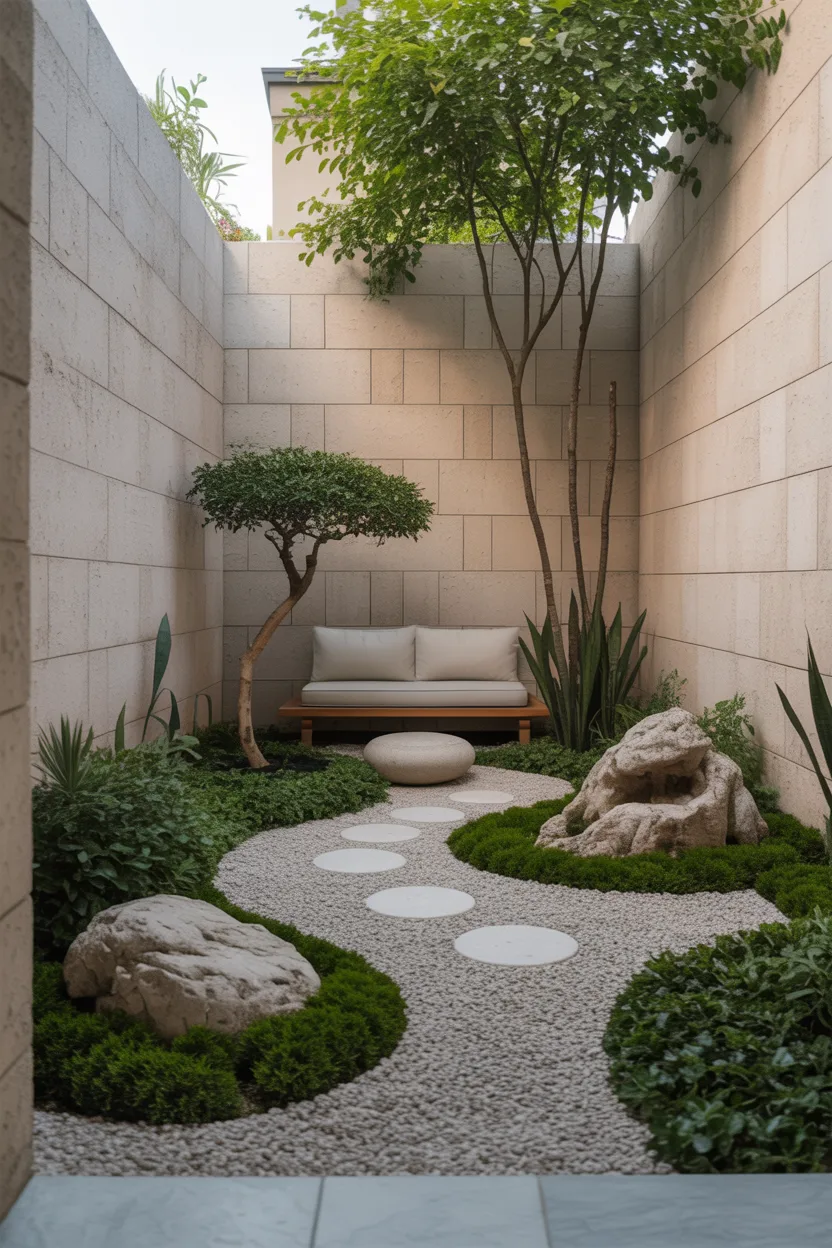
Use gravel, rocks, one standout tree or shrub, and a bench to keep the layout clean and focused. Courtyards usually do not need much because the walls or surrounding architecture already create structure. Let the space breathe.
A courtyard zen garden works especially well in urban homes where you want an outdoor retreat without needing a huge backyard. Even a modest area can feel special when the design stays intentional.
Also Read: 20 Courtyard Water Feature Ideas 2026 That Feel Luxurious
I think enclosed gardens have a kind of quiet magic. They feel hidden, private, and calm in a way open yards sometimes do not. It is like the garden minds its business, and I respect that.
16. Add Sculptural Pruned Shrubs
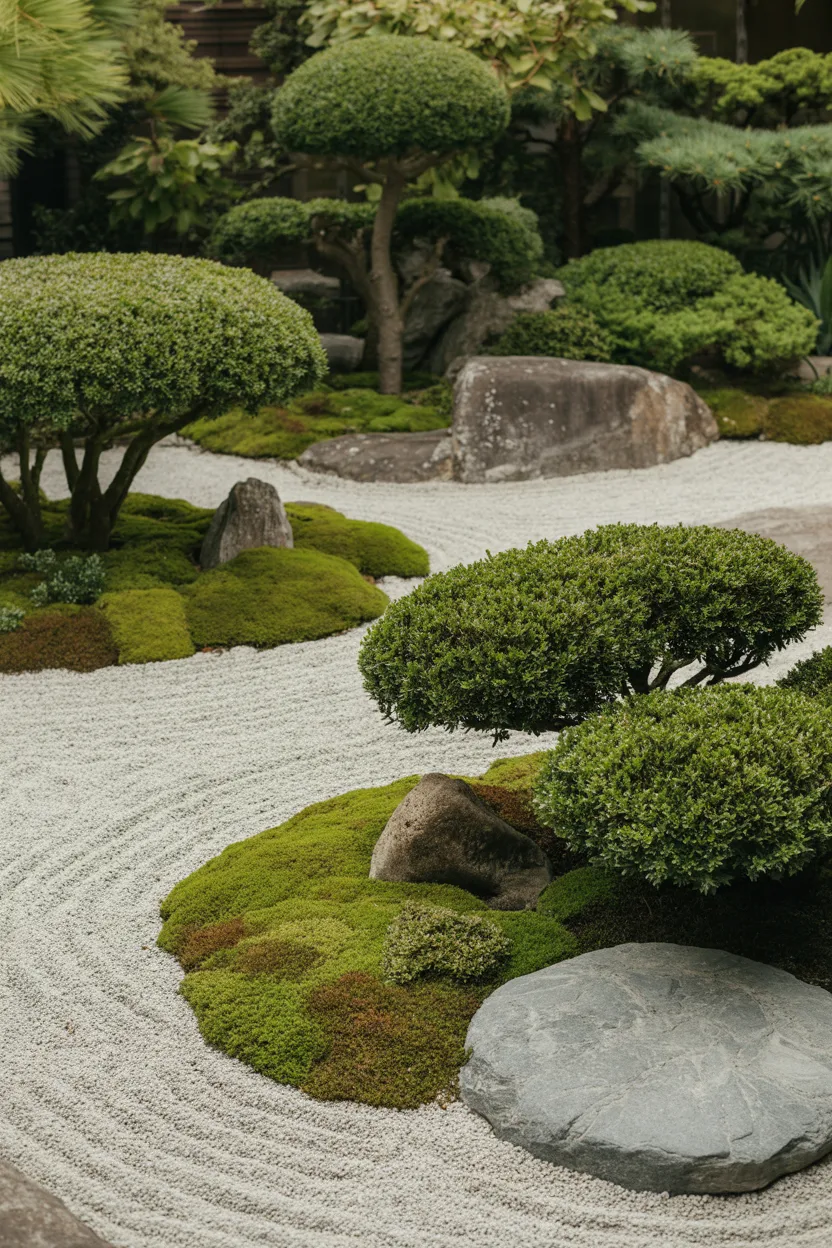
Pruned shrubs bring shape and order to a zen garden. They add greenery while keeping the look controlled and elegant. Rounded or cloud like forms work especially well because they soften the harder lines of stone and gravel.
Choose easy to maintain shrubs that respond well to trimming. Keep their placement intentional and avoid overfilling the space. One or two beautifully shaped shrubs create a refined look without making the garden feel too formal.
These shrubs work best when they contrast with rough stone, loose gravel, or mossy ground cover. That mix of neat and natural creates a layered effect that feels balanced rather than stiff.
I like sculptural shrubs because they look polished without feeling flashy. They bring just enough design energy without turning the garden into a topiary competition.
17. Use Natural Wood Fencing
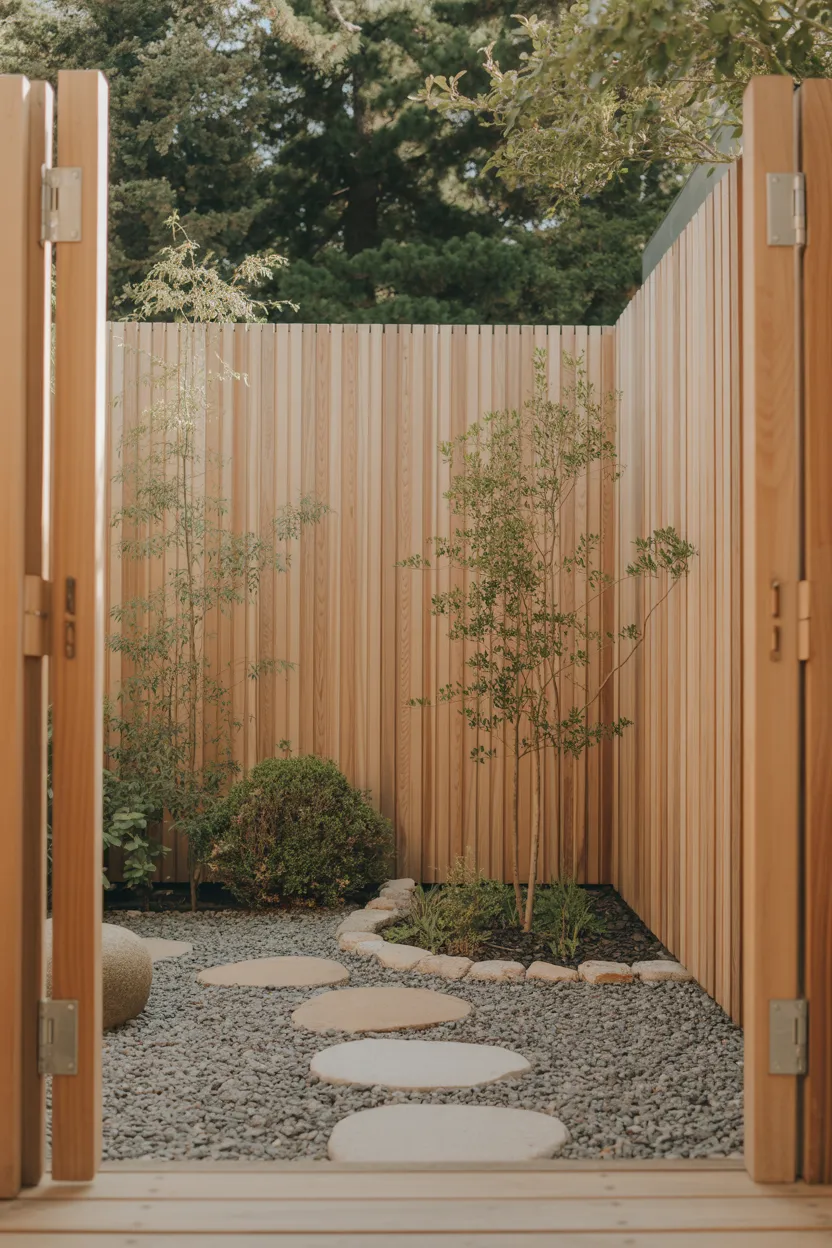
Natural wood fencing helps define the zen garden and adds warmth at the same time. It creates privacy and a sense of enclosure, which makes the whole space feel more restful. That calm backdrop also helps the rocks, gravel, and plants stand out more clearly.
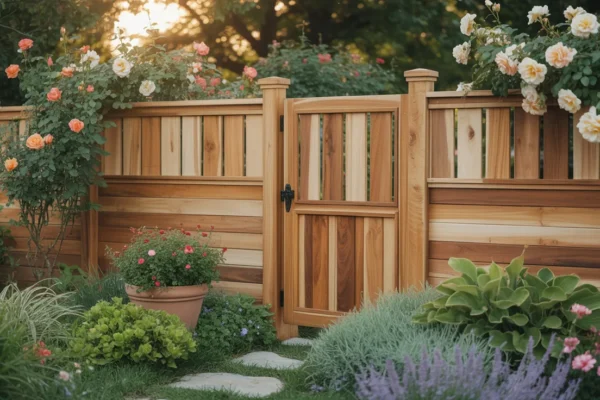
Choose bamboo screens, weathered wood panels, or simple horizontal slat fencing in soft natural tones. Avoid bright stains or overly glossy finishes because they can look too sharp for this style. A slightly aged look often feels more natural and peaceful.
Fencing also helps block visual clutter from neighboring yards or busy surroundings. That matters more than people think. A beautiful zen garden loses some of its magic if it faces a wall of random storage bins and plastic furniture.
This idea is not the flashiest one, but it is one of the most useful. Sometimes privacy is the real luxury.
18. Design Around One Focal Point
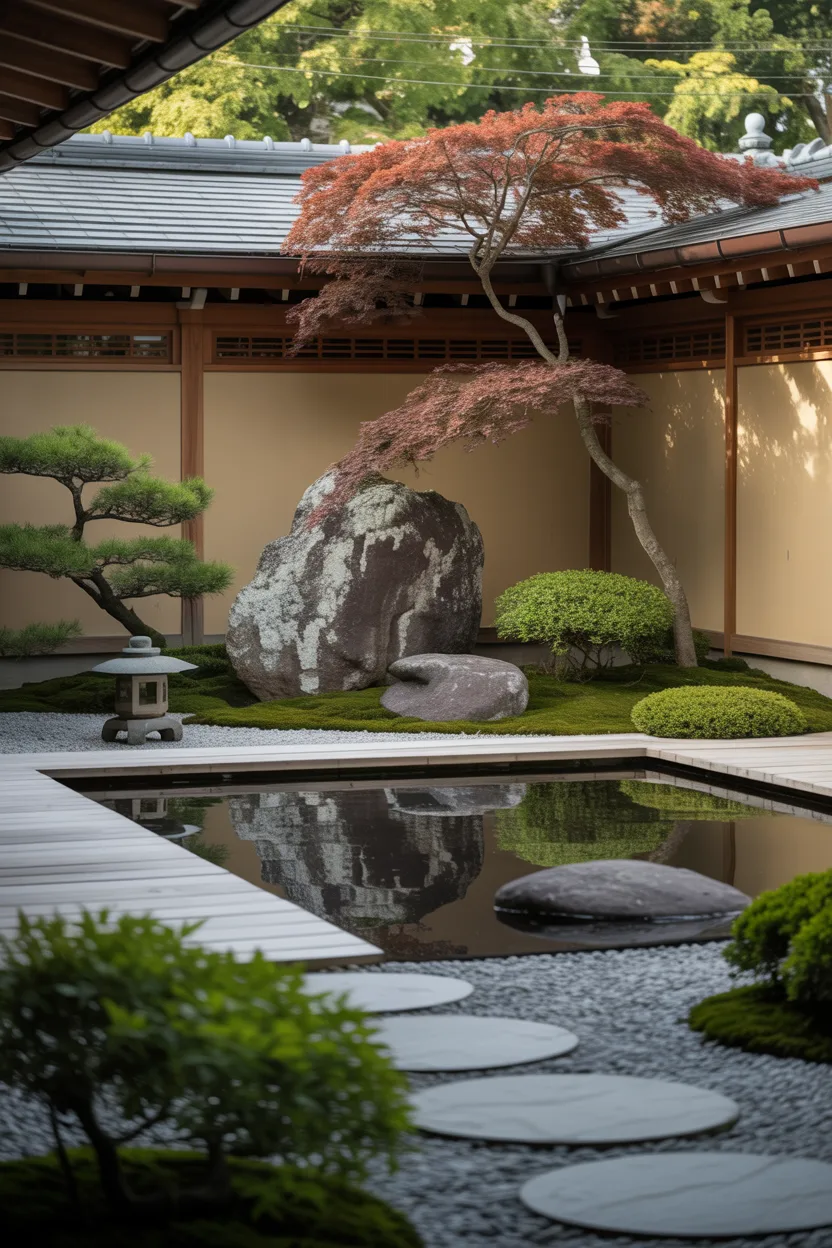
Every zen garden feels stronger when it has one clear focal point. That could be a maple tree, a large stone, a lantern, a water basin, or even a perfectly placed bench. Once you know what the star of the space is, the rest of the design gets easier.
A focal point gives the eye somewhere to settle. That creates visual calm right away because the space feels organized instead of scattered. In peaceful gardens, clarity matters a lot.
You do not need several standout features competing for attention. One strong element usually works better than many average ones. Let the supporting pieces stay quiet so the focal point can do its job.
I use this rule in almost every design because it works. When everything tries to be important, nothing feels important. Gardens are no different.
19. Mix Smooth and Rough Textures
Zen gardens often use a restrained color palette, so texture becomes one of the main ways to add richness. Mixing smooth and rough materials keeps the space interesting while still feeling calm. It adds depth without adding clutter.
Also Read: 22 Tropical Garden Design Ideas 2026 That Feel Like Paradise
Try combining:
- Smooth pebbles with rough natural boulders
- Soft moss with crisp gravel
- Weathered wood with clean stone
- Flat stepping stones with loose sand or gravel
This contrast makes the garden feel layered and thoughtful. Each material plays a different role, and together they create balance. Too much of one texture can feel flat, but a thoughtful mix feels dynamic and serene.
I really love texture in outdoor design because it does a lot of quiet work. You may not always notice it right away, but you absolutely feel the difference.
20. Use Raised Beds for a Modern Zen Look
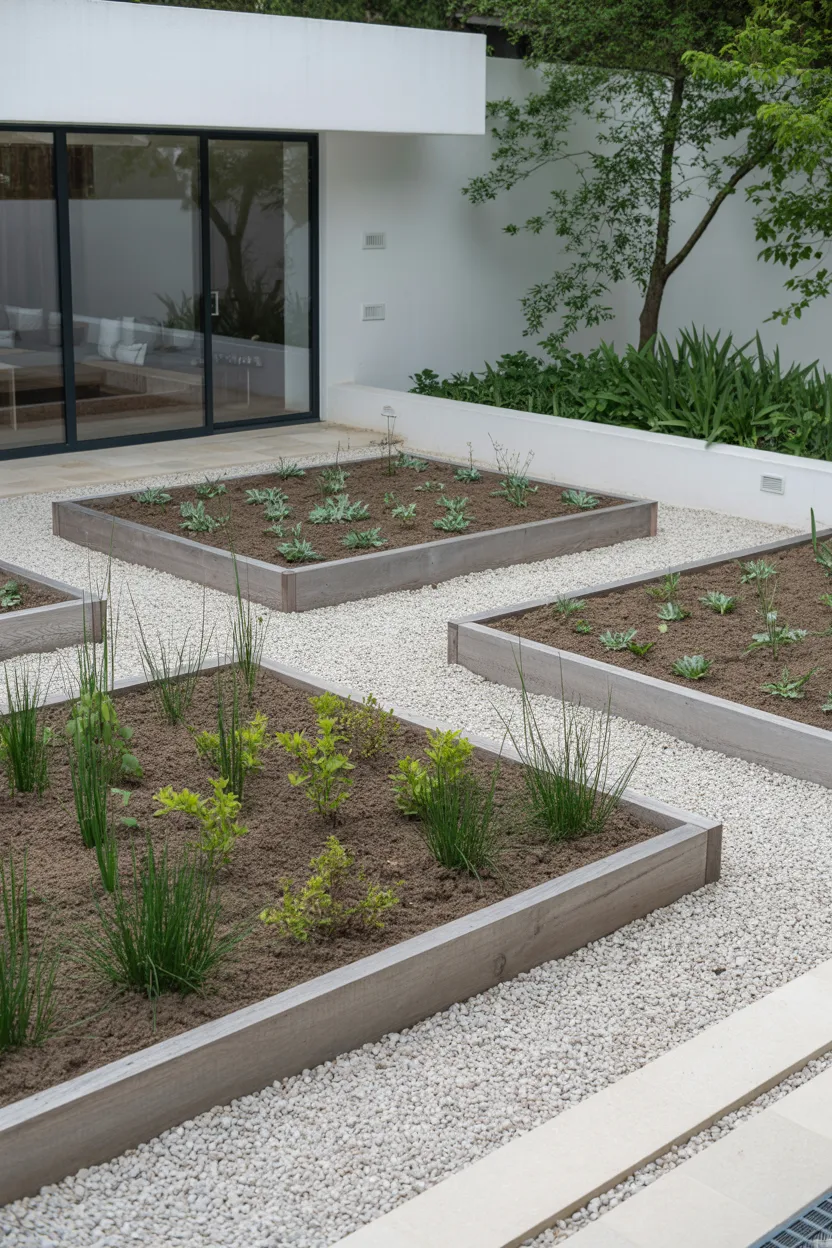
If you like clean lines and a more contemporary feel, raised beds can give your zen garden a modern update. They add structure and help organize the planting without losing the calm mood. This works especially well in small or awkward spaces.
Use wood, concrete, or stone raised beds with simple shapes and neutral finishes. Keep the planting minimal so the beds do not feel too busy. Pair them with gravel paths, sculptural rocks, or a single focal tree for balance.
Raised beds also make maintenance easier, which is always a nice bonus. They define zones clearly and give the garden a polished look without making it feel cold or sterile.
I like this style because it blends peace with a more tailored design. It still feels serene, just a little more sharpened and intentional.
21. Add a Single Outdoor Sculpture
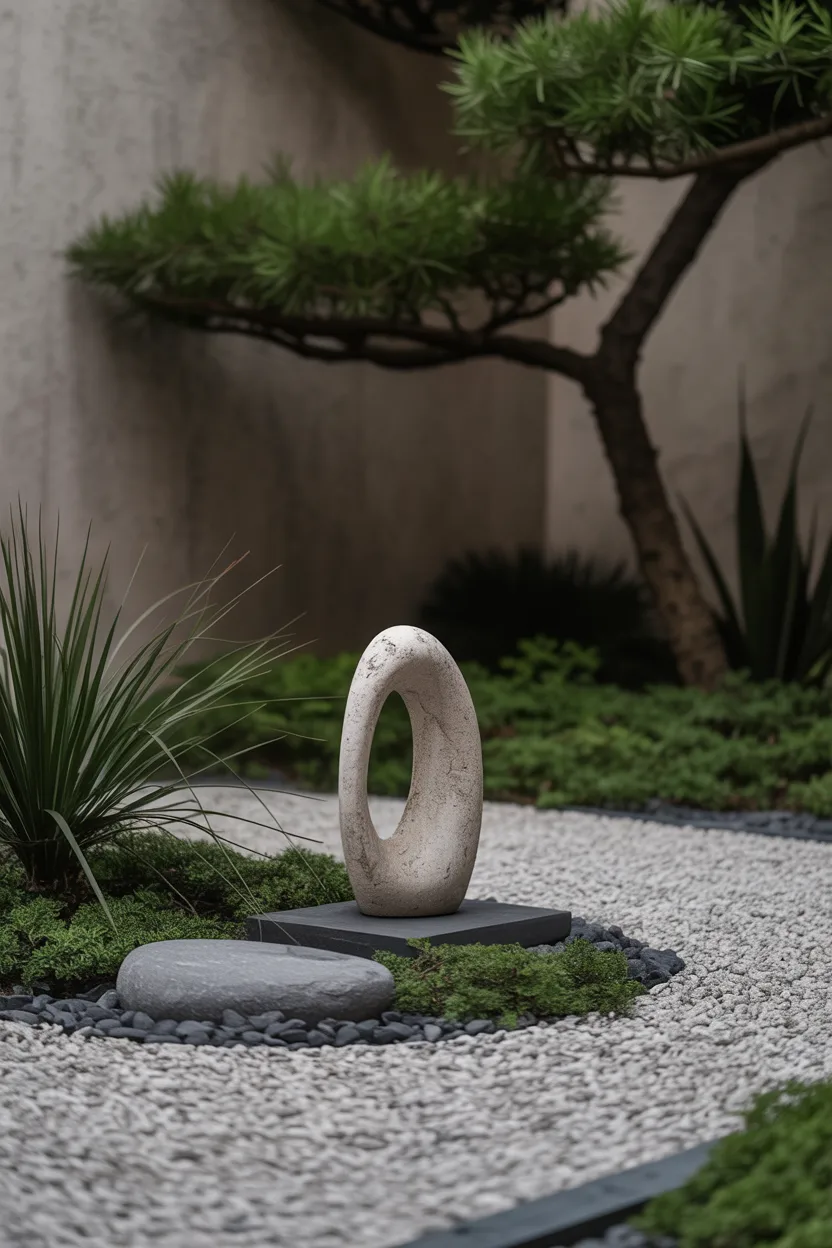
A single sculpture can bring an artistic, reflective quality to the garden. It gives the eye something to pause on and adds personality without overwhelming the space. The key word here is single. One. Just one.
Choose a sculpture in stone, ceramic, or weathered metal with a simple shape and natural finish. Organic forms usually work best because they feel softer and more connected to the landscape. Avoid anything too ornate or dramatic.
Place the sculpture where it has room to breathe. That might be near a path, against a gravel backdrop, or beside a quiet planting area. Give it space so it feels intentional rather than squeezed in.
I like this idea when the sculpture feels calm and meaningful. A thoughtful piece adds depth. A bunch of random statues just makes the garden feel confused.
22. Create a Zen Garden Around a Tree
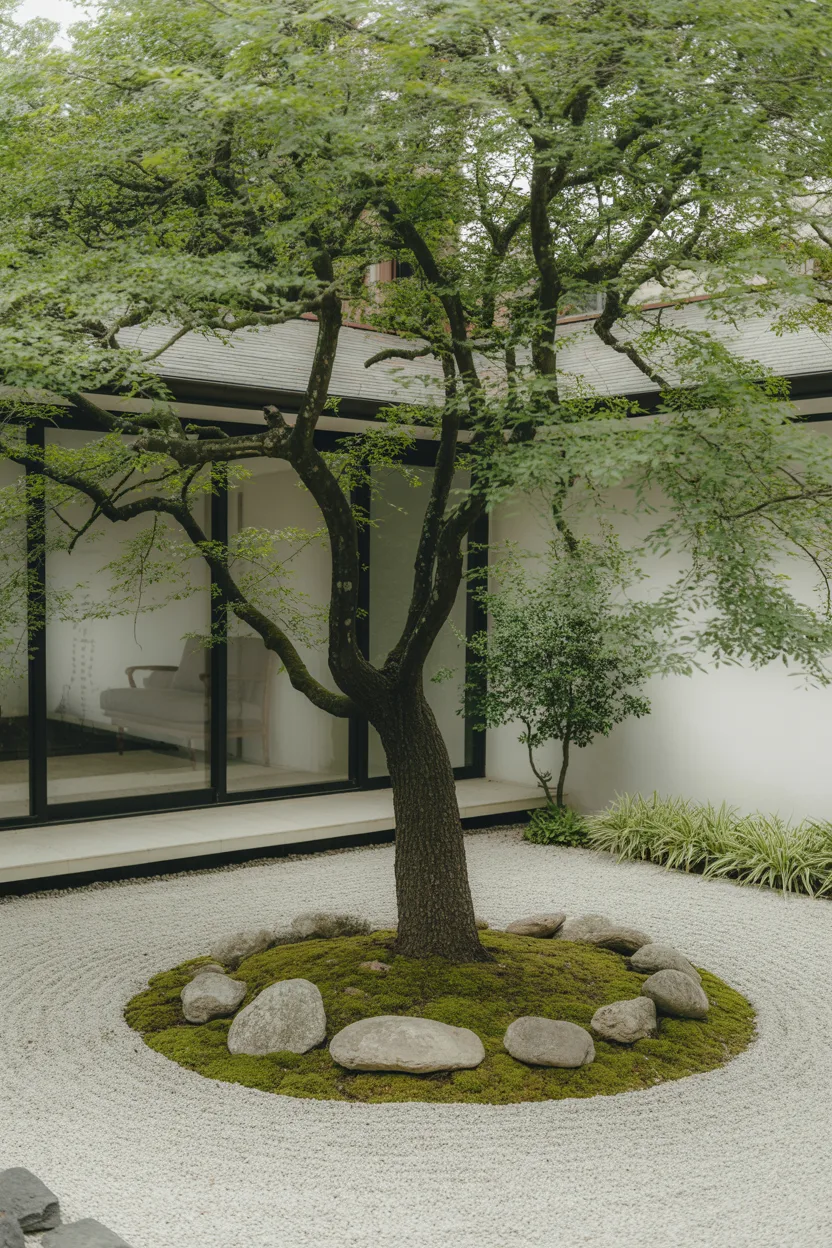
If you already have a beautiful tree, build around it. That tree can become the natural focal point of the garden and give the whole design a grounded, established feel. Mature trees bring character that new plantings simply cannot fake.
Surround the base with gravel, moss, carefully placed stones, or a dry stream effect. Let the tree lead the composition instead of forcing a layout that ignores it. The garden will usually feel more natural that way.
This approach works especially well with graceful trees that cast light shade and have interesting structure. They help create stillness and presence without needing much extra decoration.
I love tree centered gardens because they feel effortless in the best possible way. The tree already knows it is the main character, and honestly, it has earned that right.
23. Keep Decor Extremely Minimal
This might be the most important rule of all. A zen garden depends on open space, simplicity, and visual quiet. Once you start adding too many decorative pieces, the calm disappears fast.
Also Read: 22 Japanese Garden Ideas 2026 That Feel Calm and Beautiful
Before you add anything, ask yourself:
- Does this piece actually add peace to the space?
- Does it support the overall look?
- Would the garden feel calmer without it?
That little check can save you from a lot of clutter. In zen design, every piece should have a purpose. Empty space matters just as much as the objects you place in it.
I know it is tempting to keep decorating because an empty spot can feel unfinished. But in a zen garden, open space often is the design. Weirdly enough, less really does more here.
24. Make Space for Stillness
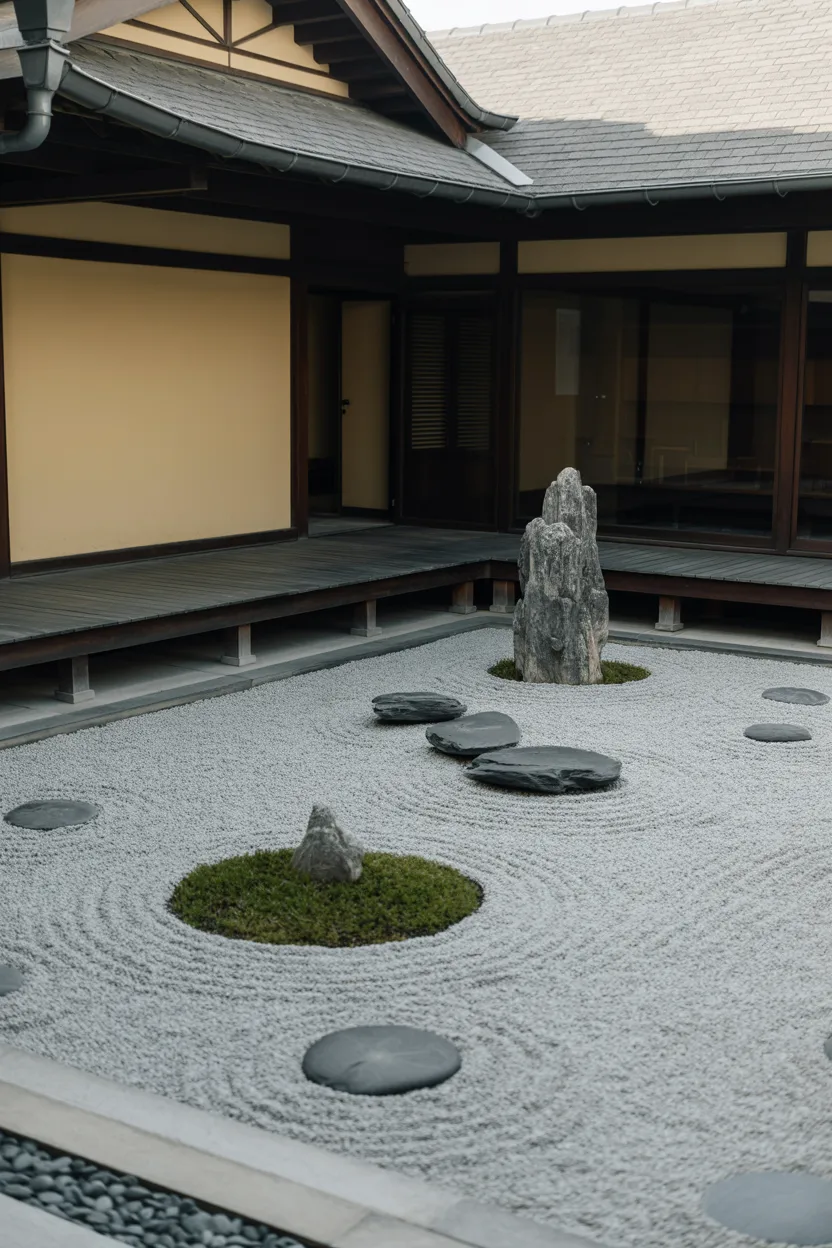
A zen garden should not just look peaceful in photos. It should actually help you feel more peaceful when you use it. That is why stillness matters so much. The best designs create a moment where you naturally pause.
You can encourage that with a bench, a tea corner, a simple path, a quiet view, or even just a layout that feels gentle and open. The point is to create a reason to slow down. That emotional function matters more than any decorative detail.
When I think about the most successful zen gardens, I do not just remember how they looked. I remember how they felt. Calm, clear, grounded, and just a little removed from the usual daily noise.
That is really the goal, right? Not perfection. Not some picture perfect backyard performance. Just a space that makes life feel a bit quieter for a minute.
Also Read: 21 Outdoor Breakfast Patio 2026 Ideas for Cozy Mornings
How to Make Your Zen Garden Feel More Peaceful
Once you pick the ideas you like most, focus on the bigger mood of the space. A peaceful zen garden usually follows a few simple design rules that keep everything cohesive and calming.
Here are the basics to keep in mind:
- Use a soft, natural color palette
- Limit the number of materials
- Repeat textures and shapes for harmony
- Leave open areas between major elements
- Choose subtle features over flashy ones
- Keep furniture simple and low profile
- Design paths and seating to encourage slow movement
These small choices shape the overall feeling of the garden. Even a modest space can feel deeply peaceful when everything works together instead of competing for attention.
I think that is what makes zen gardens so appealing. They remind you that calm often comes from editing, not adding.
Common Mistakes to Avoid
A zen garden can lose its charm quickly if you overcomplicate it. This style looks simple, but it needs discipline. The moment you start layering in too many features, the peaceful effect starts slipping away.
Here are the most common mistakes to avoid:
- Using too many plant varieties
- Choosing bright or harsh colors
- Overdecorating the space
- Adding oversized furniture
- Ignoring balance and spacing
- Creating multiple competing focal points
- Forgetting the importance of texture
- Making everything feel too symmetrical or stiff
You do not need expensive materials or a giant yard to get this right. You just need a clear vision and the confidence to keep things simple. That is harder than it sounds sometimes, but it is worth it.
A calm garden should feel edited and intentional. If every corner is yelling for attention, something has gone wrong.
Final Thoughts
A beautiful zen garden does not beg for attention. It earns it quietly. That is what makes this style so refreshing. It creates a peaceful outdoor space through simplicity, balance, texture, and restraint instead of piling on more and more stuff.
Whether you start with gravel, large rocks, moss, a stone path, a maple tree, or a simple wooden bench, the real goal stays the same. You want a space that helps you slow down, breathe a little deeper, and enjoy being outside without feeling overstimulated.
And honestly, that kind of garden feels more useful than ever. Life already gives us enough noise, enough clutter, and enough mental chaos. A zen garden gives something different. It gives you a quiet corner that asks nothing from you except maybe to sit down for a minute and exist. Not a bad deal at all.

1 Comment