

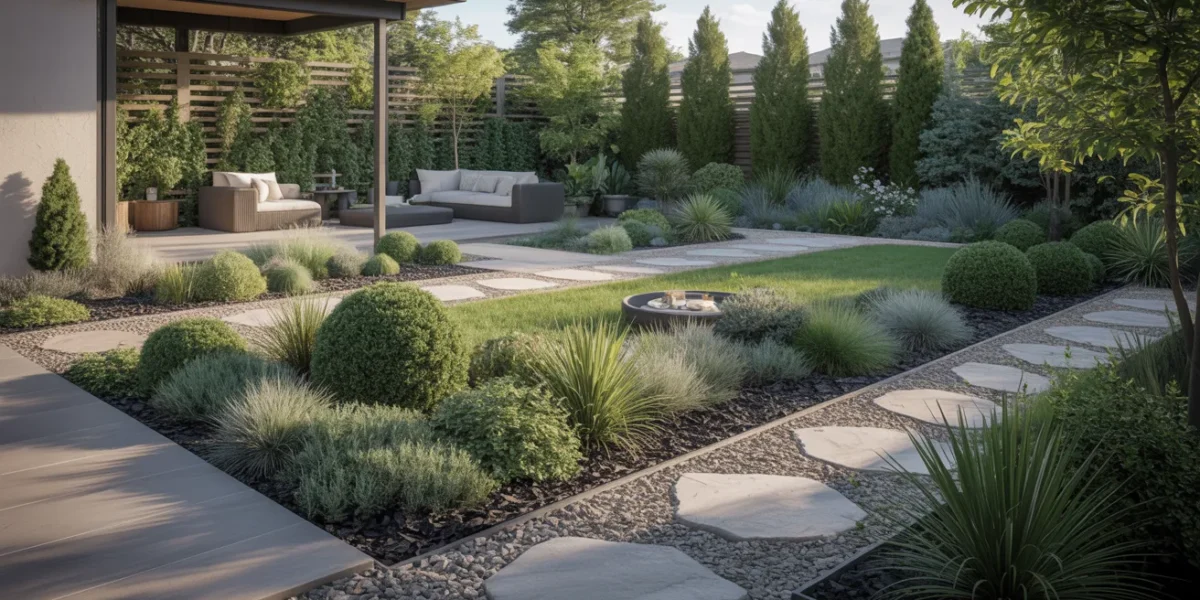
We all want a beautiful yard. Most of us just do not want to work a second job as an unpaid landscaper to get it. Maintaining an outdoor space can quickly turn into a weekend trap. You find yourself constantly pulling weeds. Then you have to water the finicky pots. Half the time, you end up staring at a dying shrub wondering what went wrong.
I am going to share some practical ways to keep your yard looking good with way less effort. A few of these ideas rely on better plant choices. Others use heavy materials to cover bare ground. I also included some structural layout shifts that save hours of future work. You deserve a beautiful 2026 garden that actually lets you sit down and relax.
1. Use Gravel Instead of High-Maintenance Grass
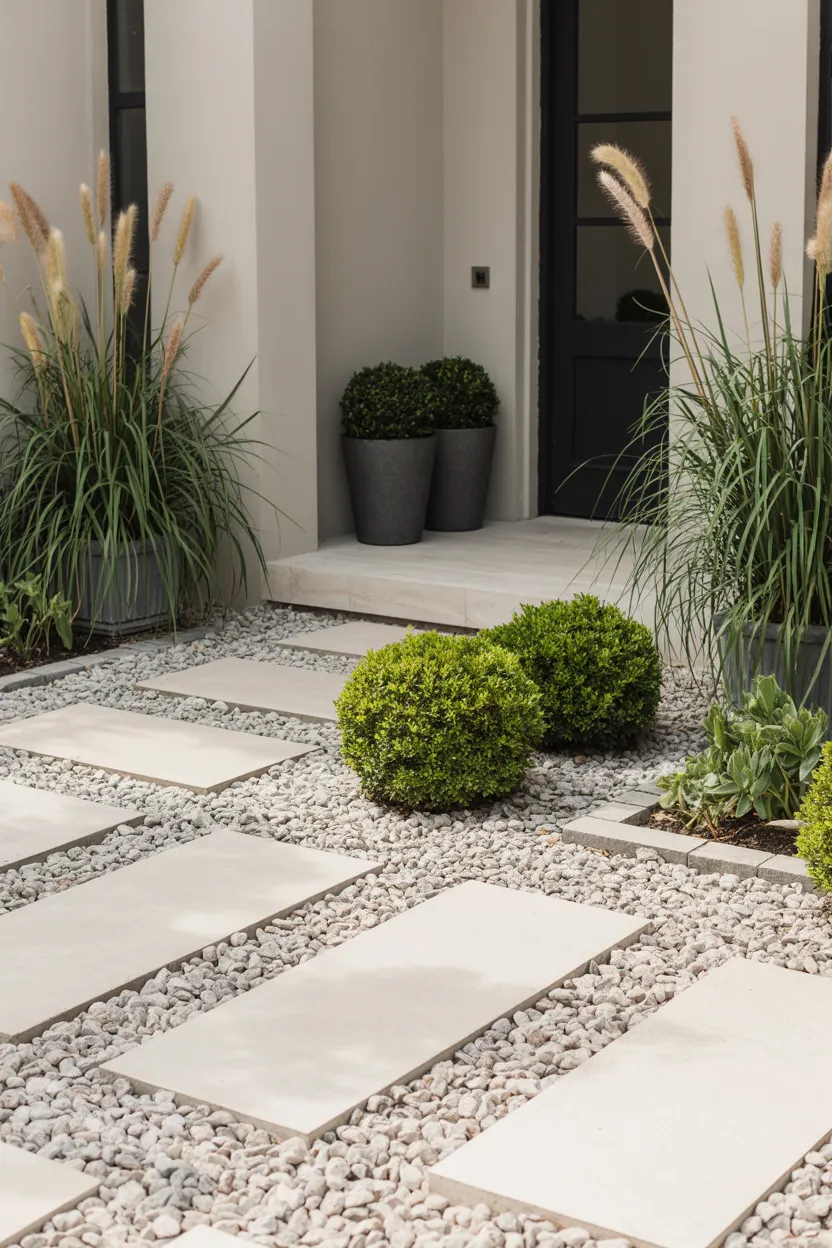
Grass looks great on a golf course. At home, it just creates endless chores. You have to mow it. You have to edge the borders. You spend half the summer trying to patch the dead spots. Swapping a demanding lawn for gravel solves that problem immediately.
A gravel layout instantly reduces your weekend chore list. Mowing becomes a thing of the past. Your water bill drops. You also avoid those muddy patches that happen after heavy rain. That level of convenience makes a stone yard incredibly appealing.
I love seeing gravel used in modern courtyards or drought-friendly front yards. It creates a crisp base for your plants to stand out against. You can use pea gravel. Decomposed granite is another great choice. Crushed stone works perfectly too. Pick a texture that matches your exterior paint and architecture.
Also Read: 23 Outdoor Yoga Space 2026 Ideas That Feel Peaceful
Keep the area from feeling like an empty parking lot by mixing in a few structural details:
- Heavy stepping stones
- Metal landscape edging
- Oversized ceramic planters
- Tall ornamental grasses
- A simple wooden bench
Those small additions keep the yard looking styled rather than forgotten.
2. Choose Drought-Tolerant Plants First
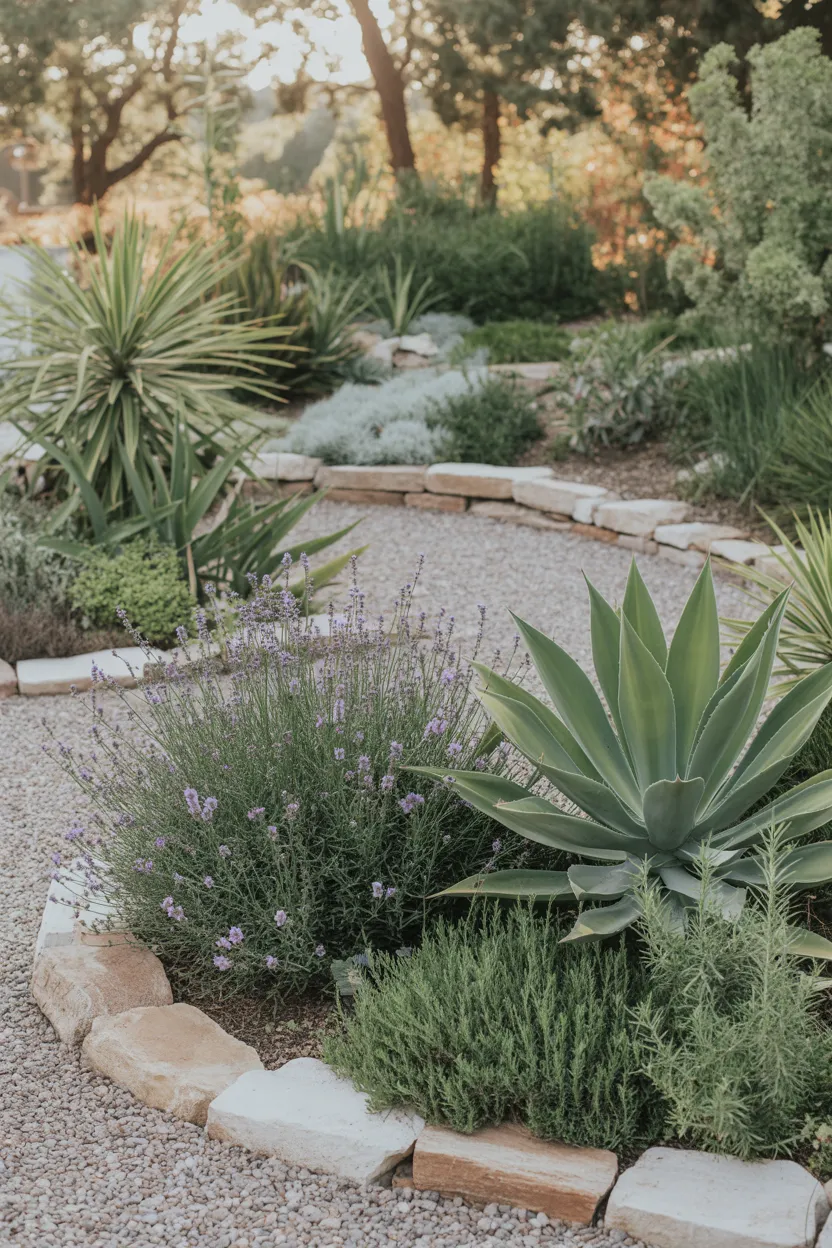
Start with plants that do not panic the second the temperature rises. People constantly buy thirsty flowers at the nursery. Then they act surprised when those same flowers need daily babysitting to survive July.
Drought-tolerant options handle dry spells without throwing a fit. They establish deep roots. They naturally require less water to stay green. Your yard will look completely fine even if you forget the hose for a few days.
Also Read: 20 Courtyard Water Feature Ideas 2026 That Feel Luxurious
Lavender is always a classic choice. Rosemary grows like a weed in warm climates. You might also try planting agave or sedum. These tough varieties add great visual interest without asking for constant attention. Many of them attract local bees too.
This is the smartest foundation you can build. When the majority of your greenery is tough, the entire yard requires less effort. Make things easy on yourself from the start.
3. Add Thick Mulch to Control Weeds
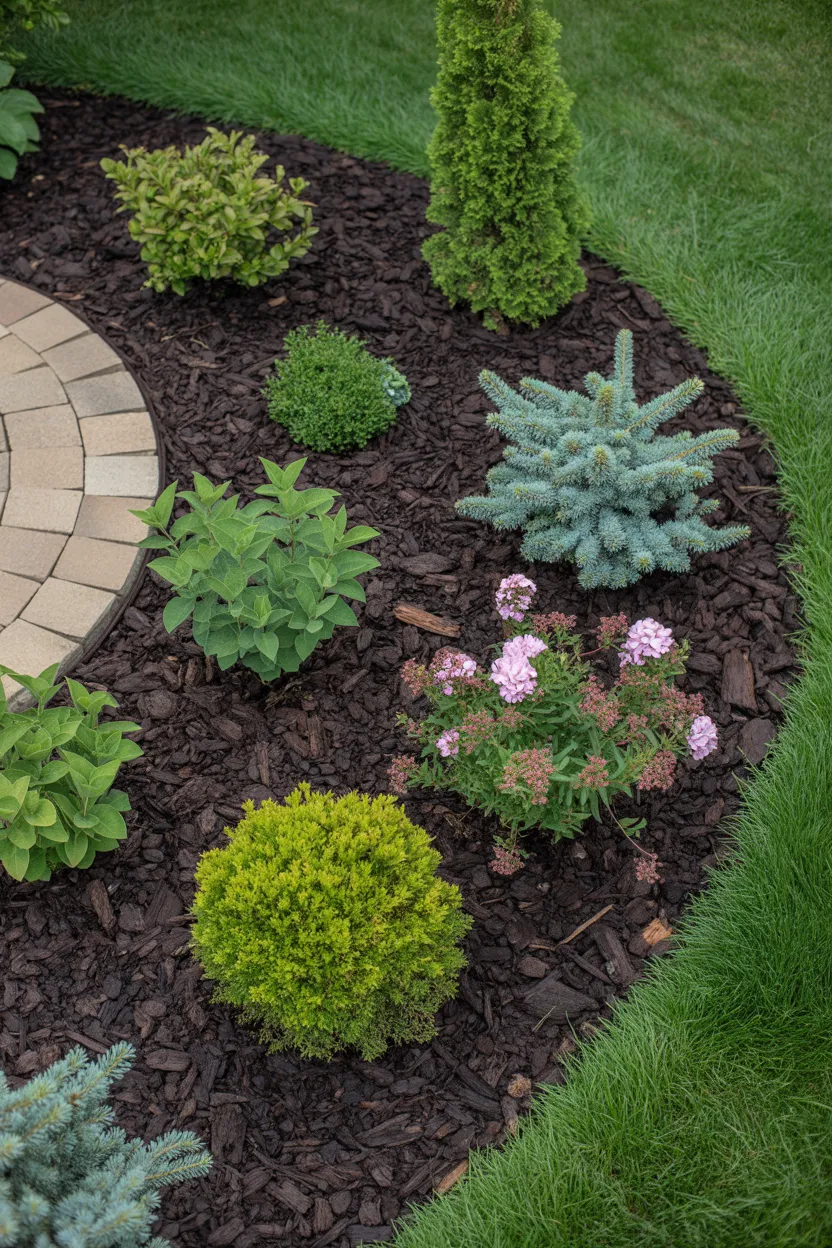
Mulch does an incredible amount of heavy lifting behind the scenes. It creates a neat visual boundary. It also completely reduces your worst weekend chore.
A deep layer of wood chips physically blocks sunlight from hitting weed seeds. That stops them from sprouting in the first place. Mulch also acts like a sponge for your soil. It holds onto moisture so you do not have to water as often. The clean aesthetic it brings is just a nice side benefit.
Dark brown bark looks incredibly rich against green leaves. Cedar chips provide a lighter rustic feel. Shredded blends work beautifully to prevent soil erosion on slopes. Pick a tone that complements your exterior trim colors.
Spread the material generously across your beds. Just make sure to pull it an inch away from the actual plant stems. Piling wet wood directly against a trunk causes rot. This one weekend project pays off for months by keeping those annoying dandelions away.
4. Stick to Fewer Plant Types
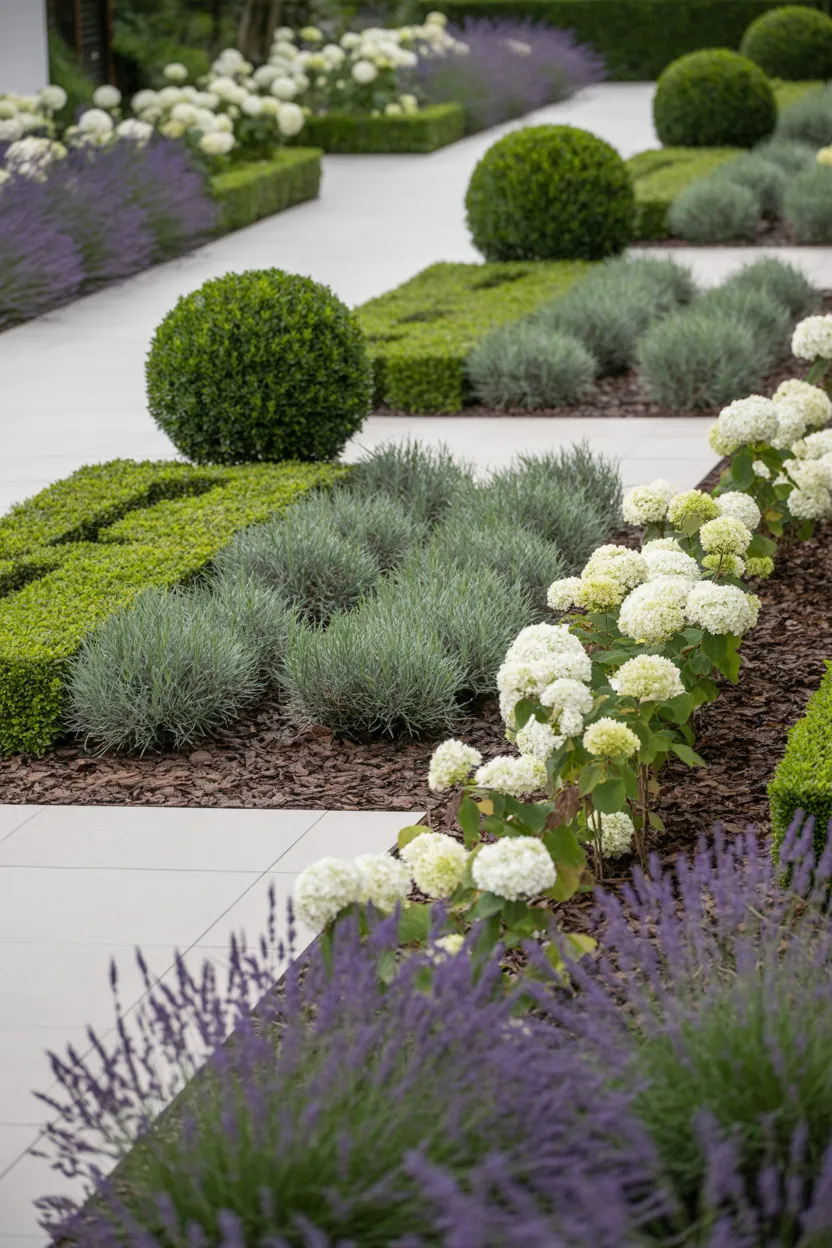
Buying one of everything at the garden center is a rookie mistake. It feels creative at the time. A few months later, it turns into a chaotic mess that requires ten different watering schedules.
Limiting your plant selection creates a highly cohesive look. You only have to memorize the care instructions for a handful of varieties. Pruning day goes much faster. Replacing a dead shrub is straightforward because you already know exactly what to buy.
Pick three primary plant types. Maybe grab two accent varieties. Repeat them throughout the entire yard. This trick tricks the eye into seeing structure. Repetition creates a calming rhythm that professionals use all the time.
I rely on this strategy because it mimics high-end landscape design. Expensive estates never have a cluttered mix of random flowers. They use large sweeps of the exact same greenery.
5. Build Raised Beds With Clean Edges
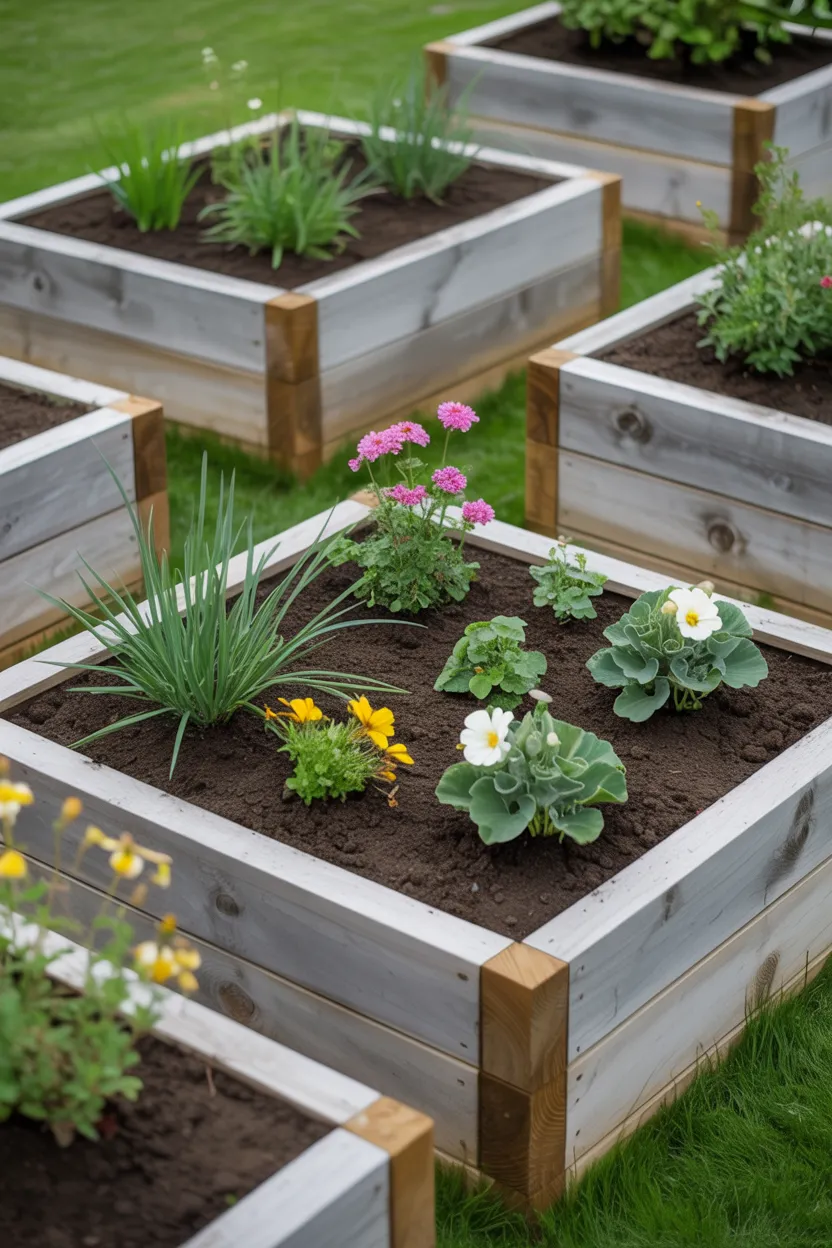
Raised planters physically elevate your outdoor aesthetic. They establish rigid boundaries. They stop soil from washing out onto your patio. Your drainage improves drastically right away.
Keeping your soil contained inside a box makes maintenance a breeze. Bermuda grass cannot easily creep into a tall wooden frame. You can mix specific soil blends for picky vegetables without digging up your entire yard. The structure alone tames wild growth.
Elevating the dirt means less bending over. Your knees will thank you after a long afternoon of planting. Gardening should be a relaxing hobby rather than a painful physical workout.
Also Read: 22 Tropical Garden Design Ideas 2026 That Feel Like Paradise
These boxes fit perfectly into:
- Contemporary layouts
- Backyard vegetable patches
- Tiny urban lots
- Enclosed courtyards
- Skinny side alleys
Corrugated metal gives off a cool industrial vibe. Stacked stone looks traditional. Choose a material you actually like looking at.
6. Plant Ornamental Grasses for Easy Texture
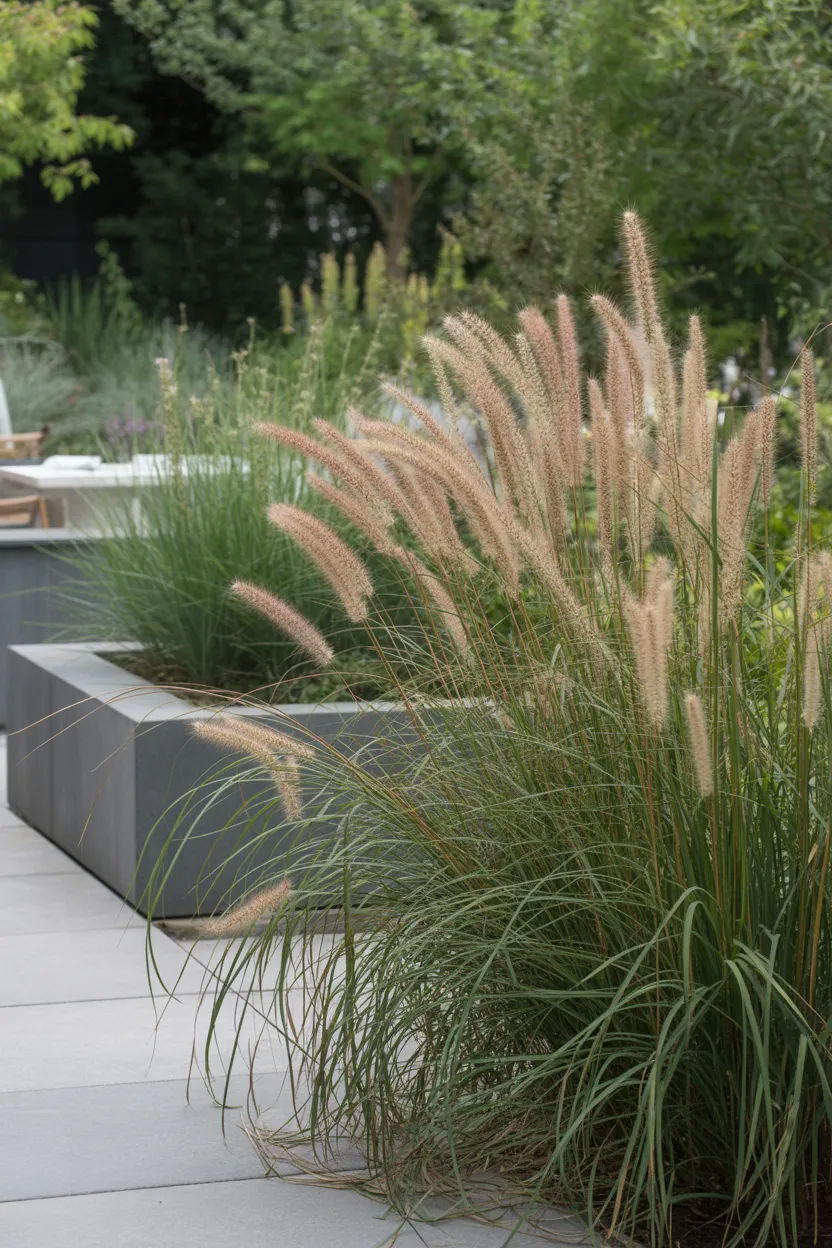
Ornamental grasses provide serious volume for very little effort. They sway beautifully in the wind. They fill empty corners fast. The texture contrasts nicely against rigid concrete patios.
These tough plants survive terrible soil conditions. You rarely need to drag a hose over to them. A quick haircut in late winter is usually all the maintenance they require. That makes them a massive win for busy schedules.
Fountain grass looks incredibly soft. Blue fescue stays neat and compact. Feather reed grass grows straight up like an architectural pillar. Pick a style that matches your specific layout.
I plant these heavily along wooden fences. They blur hard property lines and make the space feel softer. Watching the stalks catch the afternoon light is just a great everyday experience.
7. Install Drip Irrigation Instead of Hand Watering
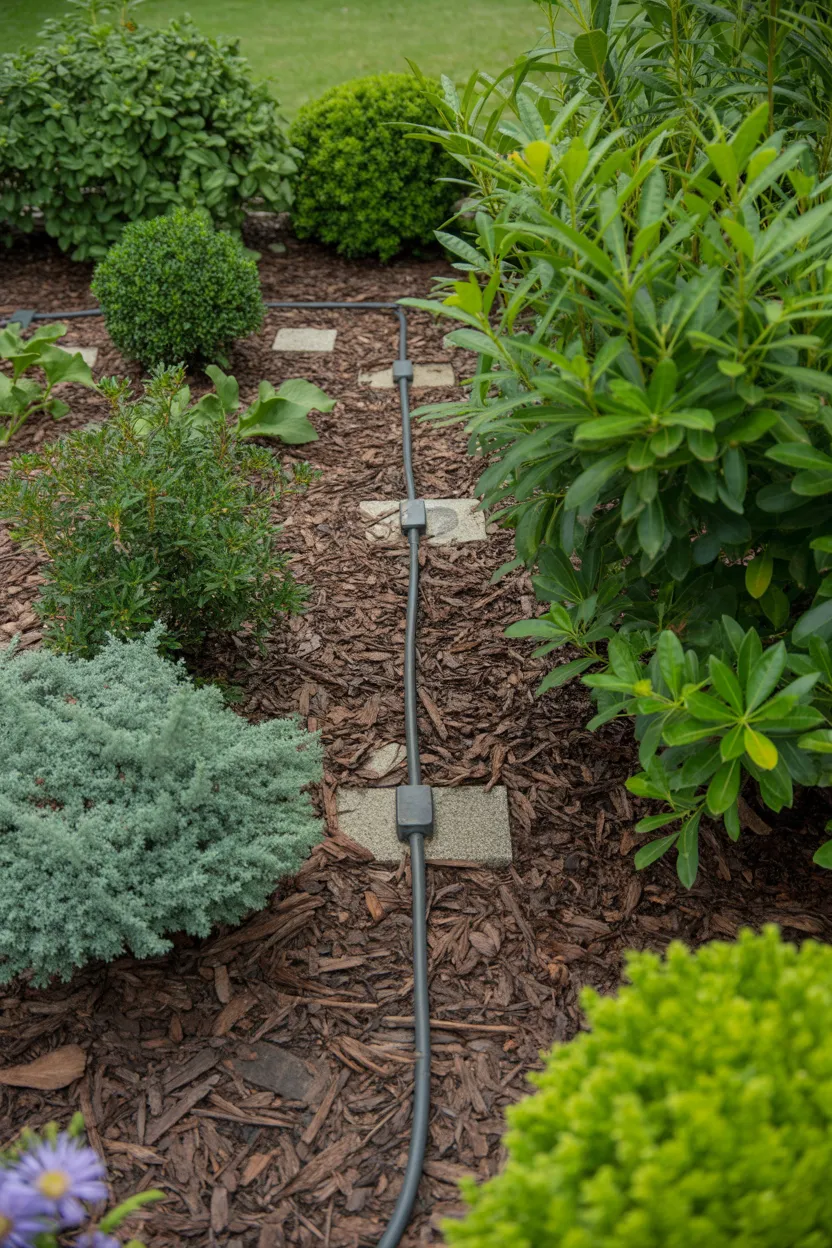
Holding a hose for forty minutes every single night gets old fast. It completely monopolizes your summer evenings. Running a few black irrigation tubes fixes the watering problem permanently.
Drip systems deliver moisture directly into the dirt. The sun cannot evaporate the spray before it hits the roots. You save a ton of money on your utility bill. You also stop forgetting which bushes you already soaked.
Inconsistent moisture stresses plants out. A stressed shrub attracts pests and disease. Automating the watering schedule prevents those massive headaches before they even start.
Bite the bullet and install a timer box. The tubing is cheap. The setup takes one Saturday afternoon. The peace of mind lasts for years.
8. Use Large Planters Instead of Lots of Small Pots
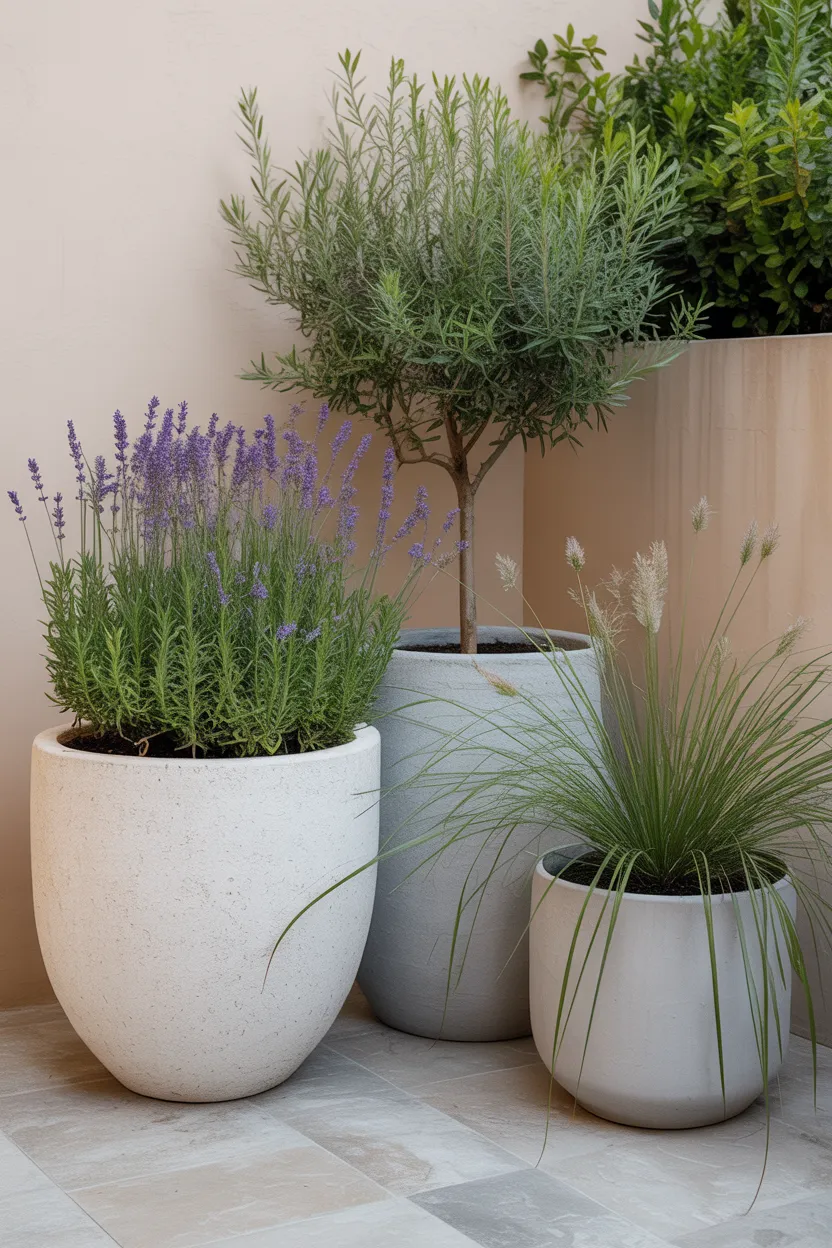
Tiny terracotta pots dry out within hours. They force you to walk around with a watering can constantly. Upgrading to oversized containers solves that issue immediately.
Massive pots hold a huge volume of dirt. Extra dirt retains moisture for days. The heavy base stops the wind from knocking your favorite flowers over. Larger root systems also produce healthier foliage.
A single large urn makes a strong visual statement. Cluttering your steps with twenty miniature pots just looks messy. Two big planters framing a front door looks highly intentional.
Buy containers made from thick resin or glazed clay. Keep them filled with low-fuss options like:
Also Read: 22 Japanese Garden Ideas 2026 That Feel Calm and Beautiful
- Hardy lavender
- Dwarf olive trees
- Trailing rosemary
- Globe boxwoods
- Spiky succulents
- Drought-friendly grasses
You get the lush patio vibe without the daily chore of checking soil dampness.
9. Go Big With Evergreen Shrubs
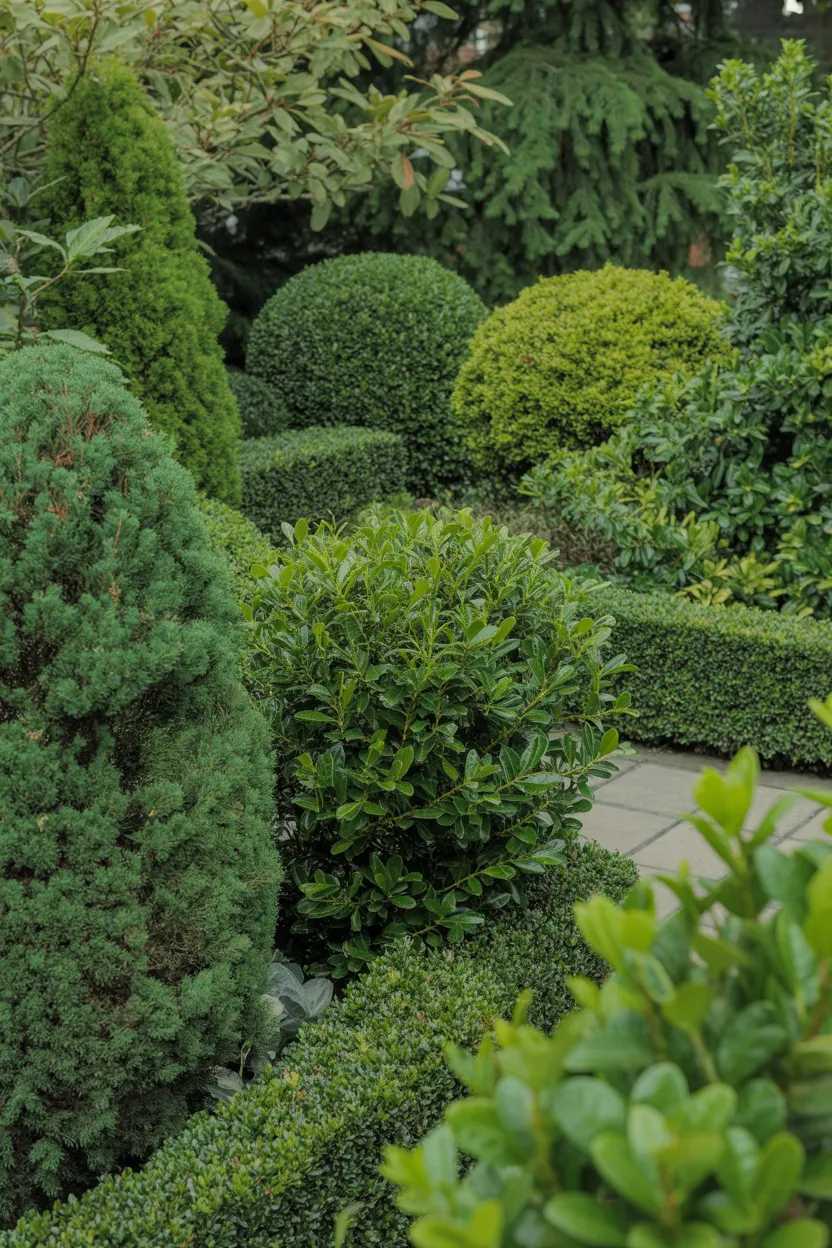
Evergreens do the hard work while your flowers are busy dying off in winter. They provide a permanent green backdrop. You never have to deal with bare branches sticking out of the snow.
Without a solid evergreen base, a yard looks completely dead by December. Shrubs lock in the architectural shape of your beds. They give the eye something solid to grab onto all year long.
Boxwood is fantastic for formal edging. Juniper spreads nicely across difficult slopes. Holly adds a slightly darker tone to corners. You can trim them into perfect spheres. You can also just let them grow wild for a softer effect.
I think folks get too distracted by bright summer blooms. Those flowers vanish fast. The boring green bushes are actually the real heroes keeping your property looking presentable.
10. Create a Simple Stone Pathway
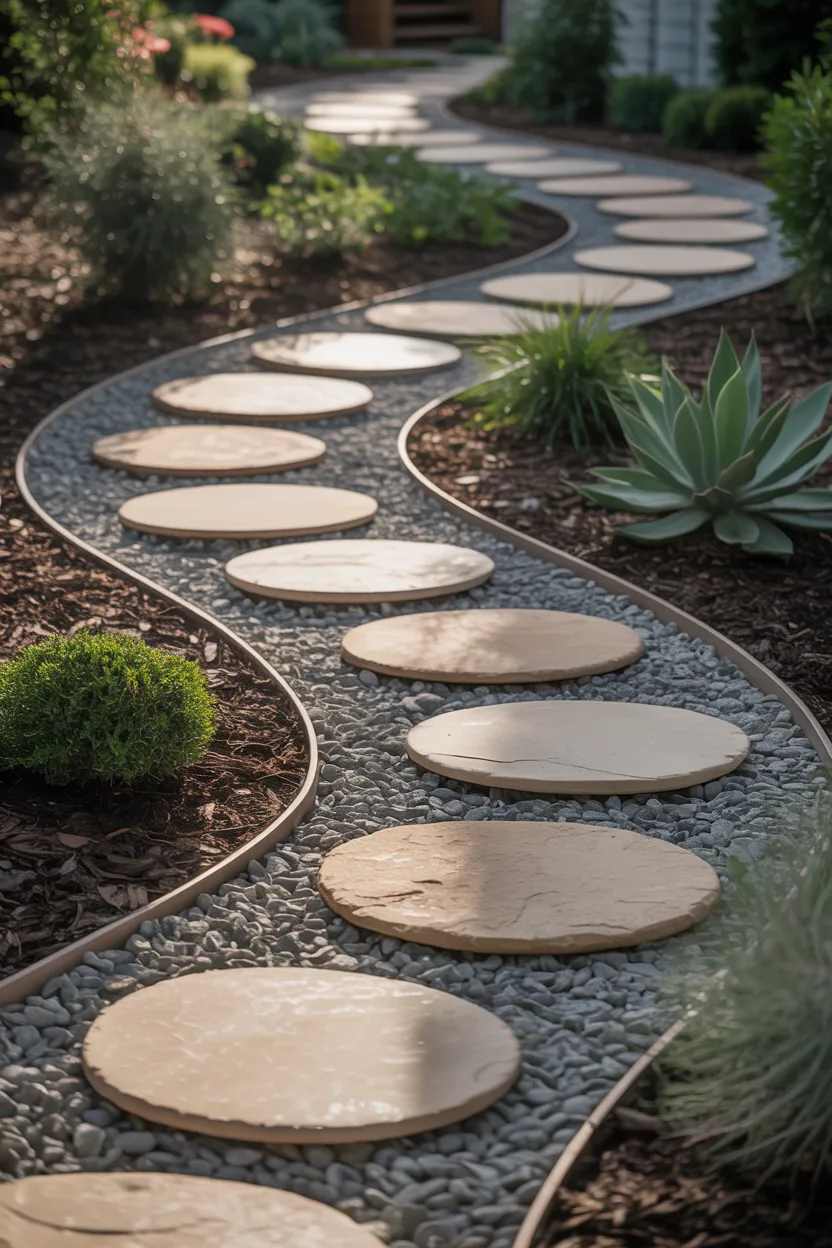
Laying down a few rocks completely changes how you move through the space. A clear path tells guests exactly where to walk. It gives a big open yard a sense of actual purpose.
Paths protect your delicate plant roots. The mail carrier will stop cutting across your expensive mulch. Giving people a dedicated walking surface saves your lawn from getting trampled into muddy dirt tracks.
Flagstone looks very natural and rustic. Concrete pavers fit modern homes perfectly. Gravel paths crunch nicely under your boots. A straight walkway feels rigid. A curved layout feels much more relaxed.
You do not need to hire a masonry crew for this. Digging a shallow trench and laying heavy stones down is a very manageable DIY project. It adds massive charm immediately.
11. Use Ground Cover Instead of Bare Soil
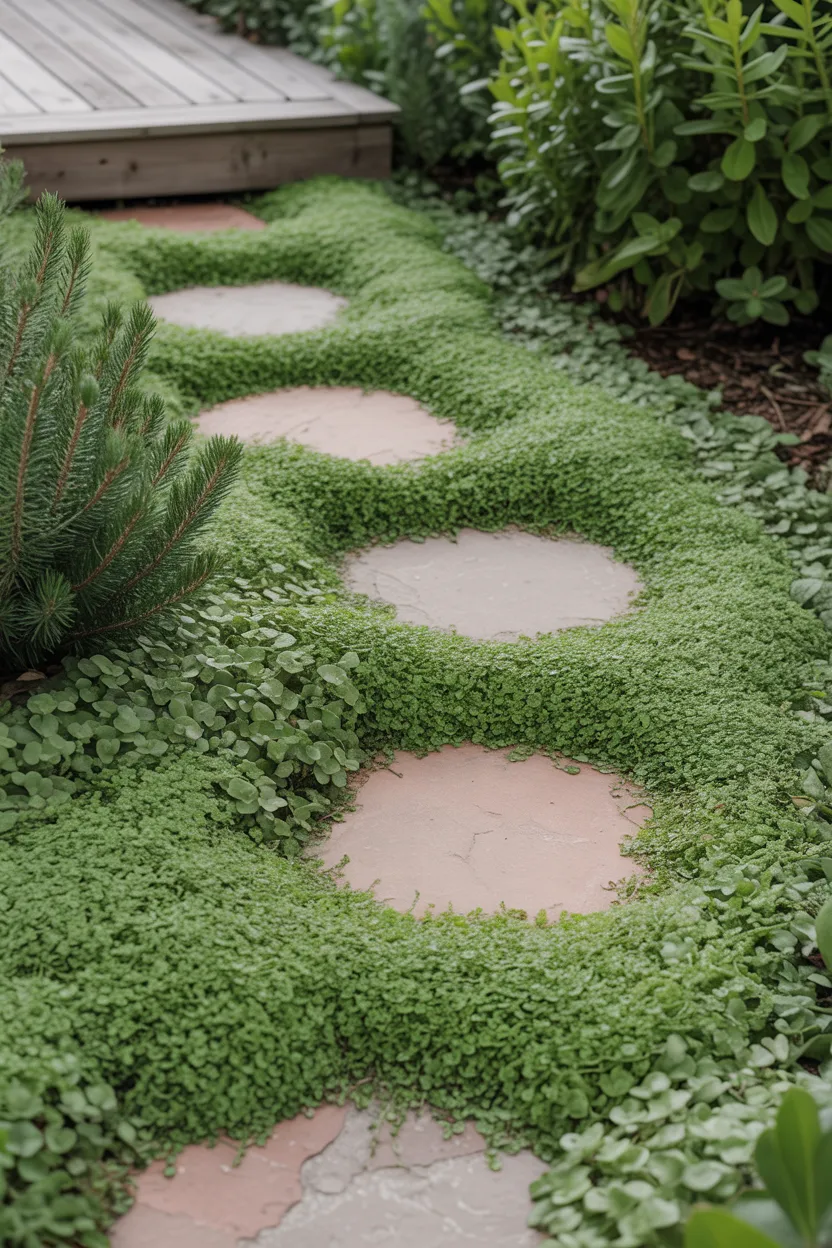
Exposed dirt is just an open invitation for weed seeds. Rain washes the topsoil away. The whole area ends up looking patchy and sad. Planting a living carpet fixes all of that.
Creeping plants actively choke out aggressive weeds. They blanket the dirt so sunlight cannot reach the weed seeds. They also physically hold the soil together on steep hills. Once they spread out, you rarely need to touch them.
Creeping thyme smells incredible when you step on it. Sedum survives long droughts. Mondo grass looks like a dark spiky lawn. Creeping jenny adds a bright chartreuse pop. Pick a variety that matches your local sun exposure.
This is my favorite trick for awkward spots under heavy tree canopies. Turf grass refuses to grow in deep shade. Ground cover usually handles the lack of light just fine.
12. Design Around Native Plants
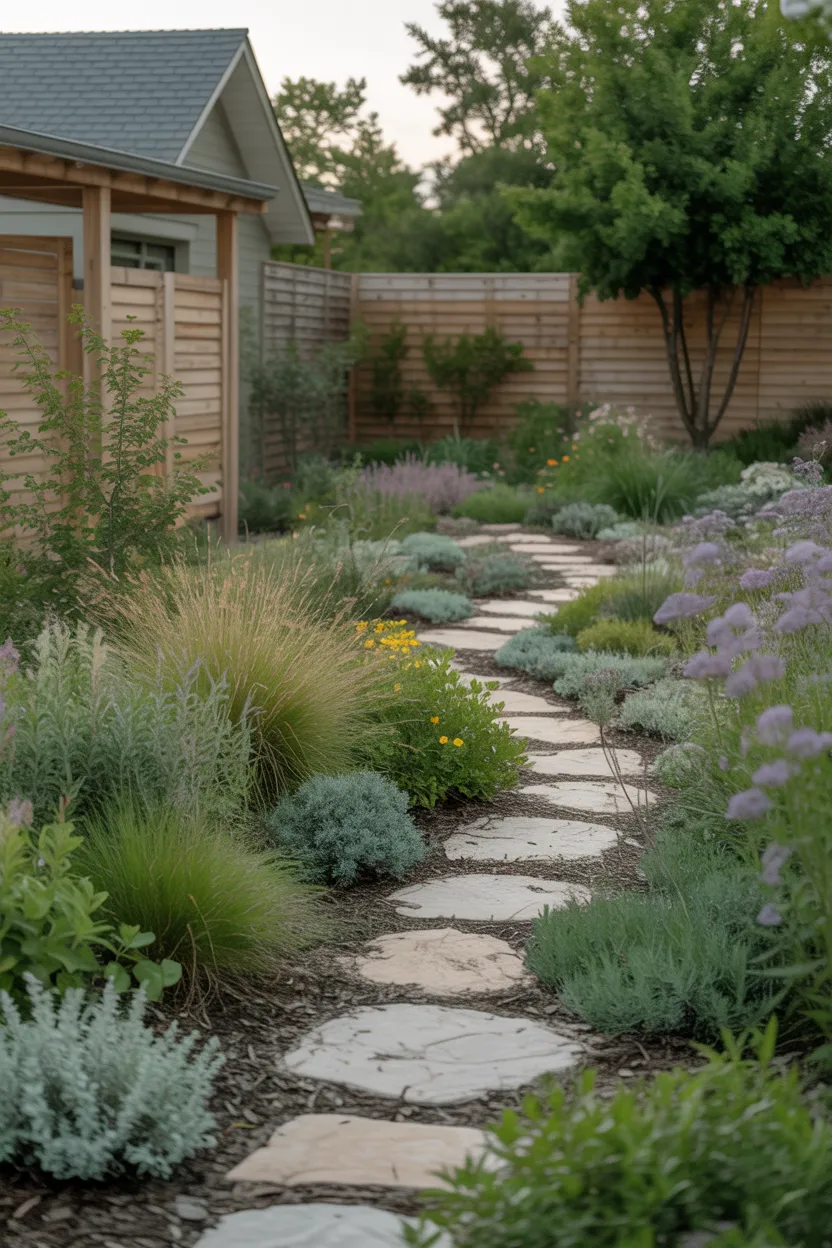
Plants naturally native to your area basically take care of themselves. They already know how to handle your specific winter freezes. They survive your local summer heat waves. They do not need expensive fertilizers to stay alive.
Importing tropical flowers into a dry climate is a recipe for endless chores. Native choices eliminate that struggle. They require very little supplemental watering. Local birds love eating their seeds. Beneficial insects rely on them for shelter.
I honestly believe this is the biggest secret to a stress-free yard. Stop fighting your regional climate. Partner with it instead.
Spend ten minutes researching what naturally grows in your county. Buy those specific shrubs. Your weekends will suddenly open up because your yard is basically running on autopilot.
13. Add Hardscaping for Structure
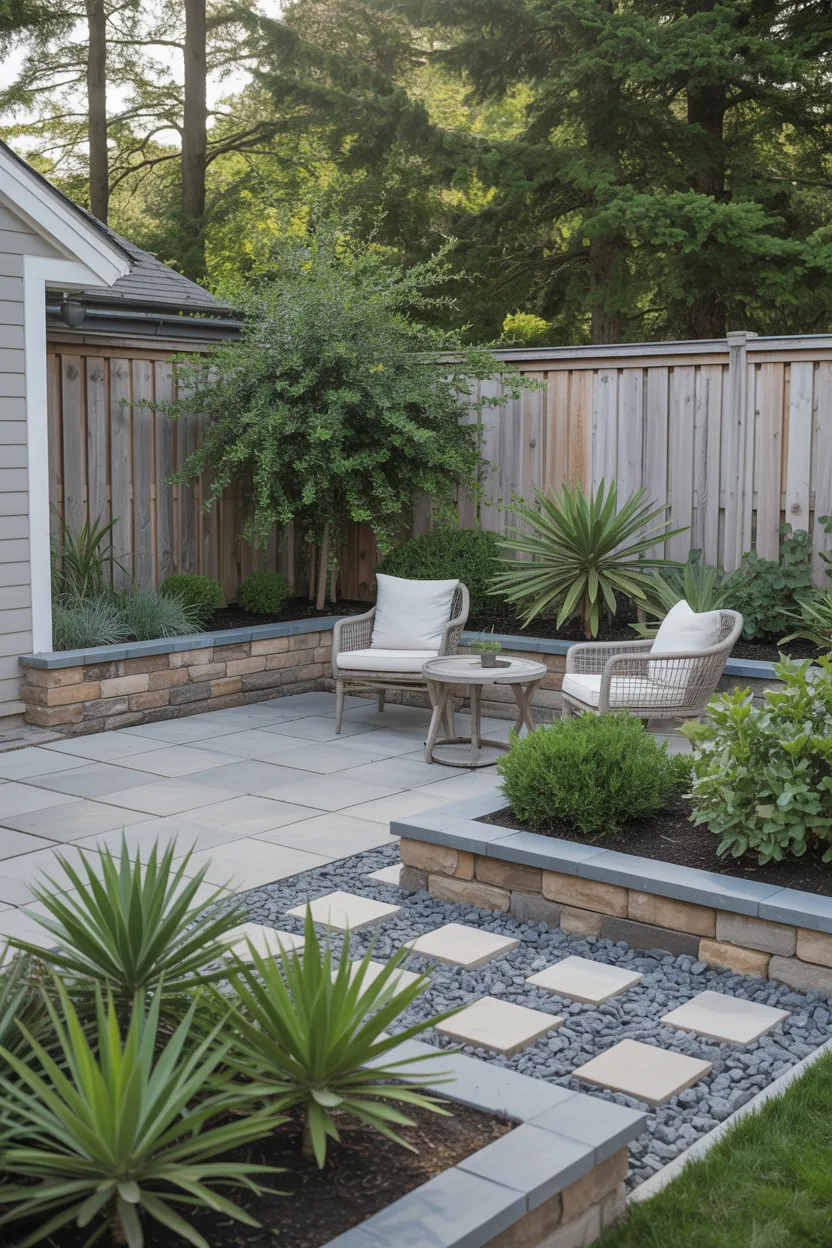
Replacing live plants with heavy stone drops your chore list significantly. Concrete never gets thirsty. Bricks do not catch fungal diseases. Stone walls never need pruning.
Expanding a brick patio eats into your grassy areas. Adding a gravel fire pit zone removes another chunk of high-maintenance lawn. Building retaining walls creates permanent visual interest. You get a highly usable space without any of the biological upkeep.
You have to balance the hard materials with some softness. Paving your entire lot just looks like a commercial parking garage. Leave strategic pockets open for a few easy bushes.
Hardscaping creates actual outdoor living rooms. It turns a boring patch of weeds into a spot where you can actually host a dinner party.
14. Try a Minimalist Modern Garden Layout
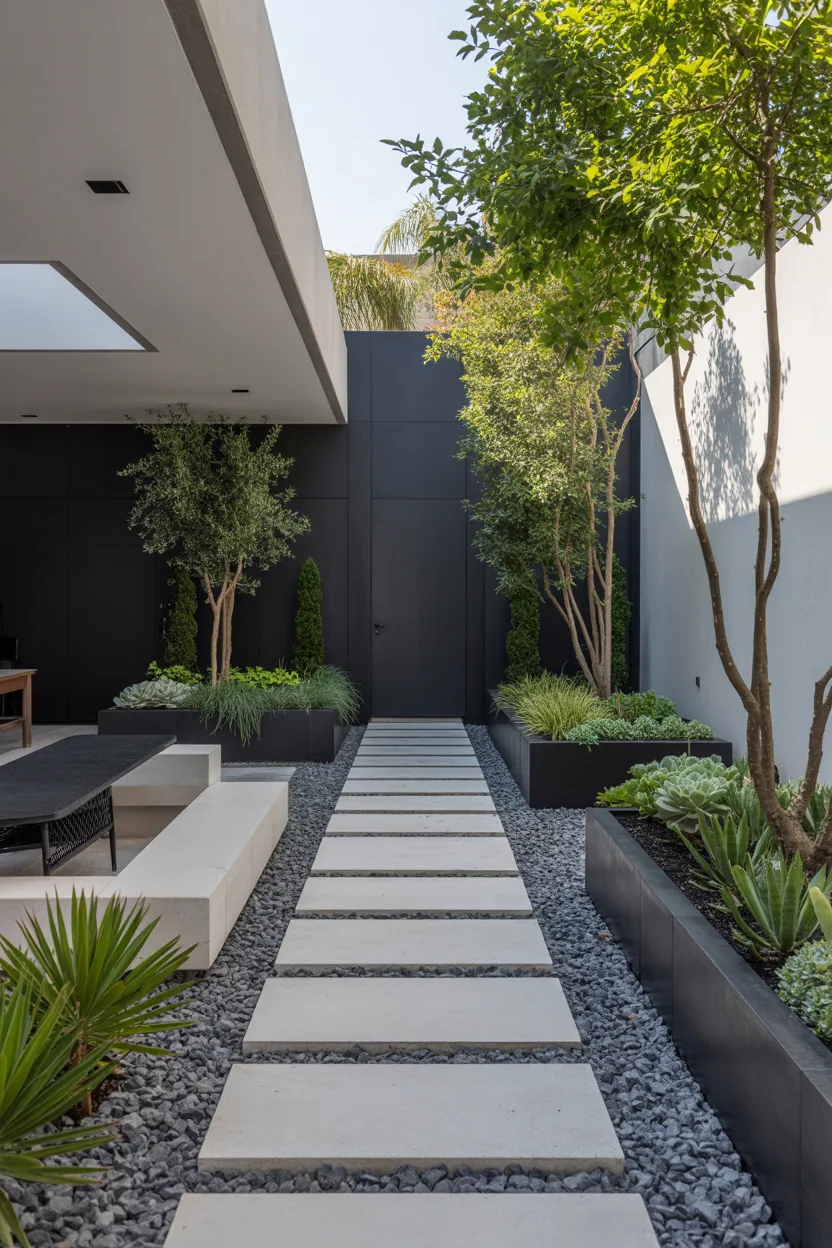
Minimalism thrives on restraint. You strip away the garden gnomes and chaotic flower beds. You focus strictly on clean architectural lines and simple greenery.
A modern setup relies heavily on pale gravel bases. Concrete pavers provide sharp walkways. The planting beds are usually strict rectangles. A few sculptural agaves act as the main focal points. Everything looks incredibly intentional.
I gravitate toward this look because it never feels messy. You do not have to deadhead a bunch of dying petunias every Tuesday. The aesthetic relies entirely on shape rather than bright messy blooms.
A sleek minimalist yard always looks expensive. It gives off a calm spa vibe. You walk outside and immediately feel your shoulders drop.
15. Use Rock Beds Around Tough Areas
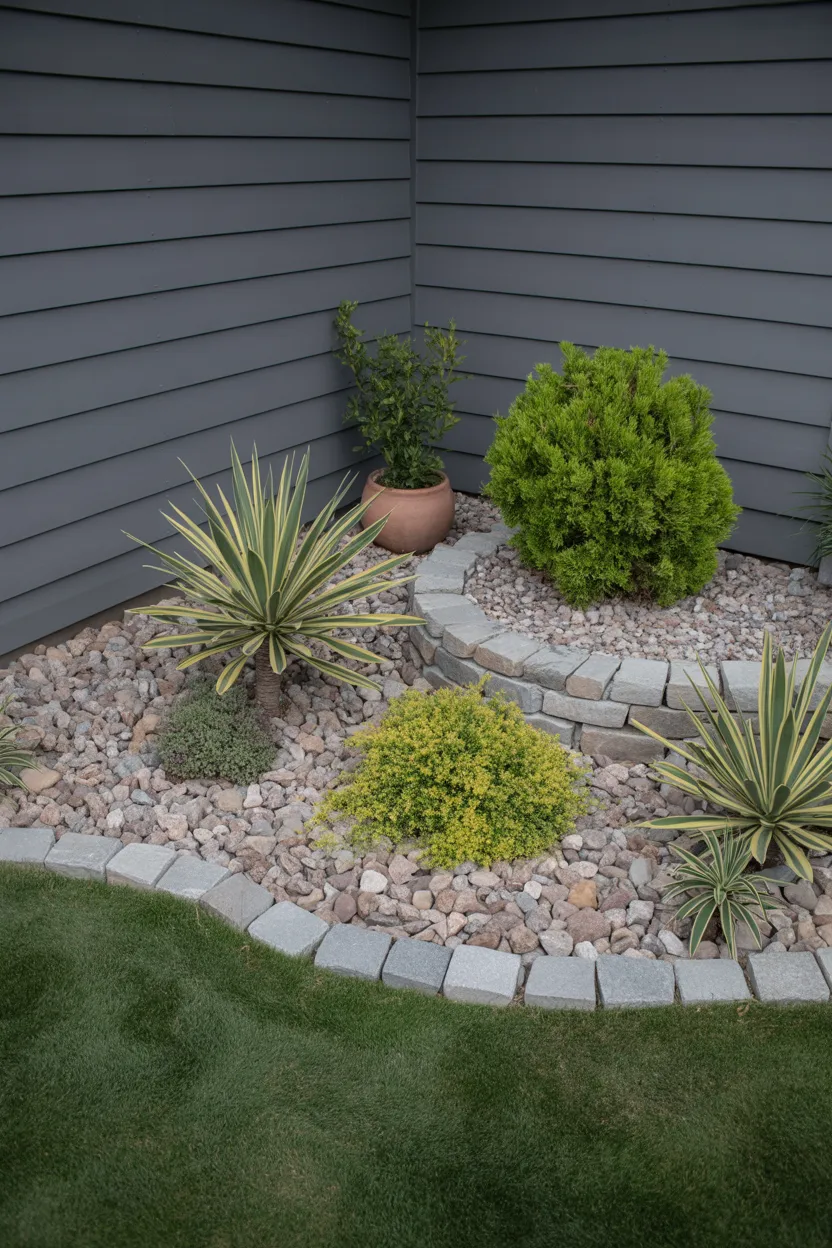
Every property has a cursed zone. It might be a narrow strip baking in the afternoon sun. It could be a soggy dip near the downspout. Grass refuses to grow there. Weeds absolutely love it.
Stop trying to force delicate flowers into a hostile environment. Roll out heavy landscaping fabric. Dump a thick layer of river rock over it. That cursed area is now completely handled.
Also Read: 21 Outdoor Breakfast Patio 2026 Ideas for Cozy Mornings
This trick works wonders near:
- Shadowy fence lines
- Dusty foundation edges
- Blind side alleys
- The mailbox post
- Baking concrete driveways
- Spots under roof overhangs
A rock border looks perfectly neat. It requires zero watering. You never have to drag a weed whacker over there again.
16. Pick Perennials Over High-Maintenance Annuals
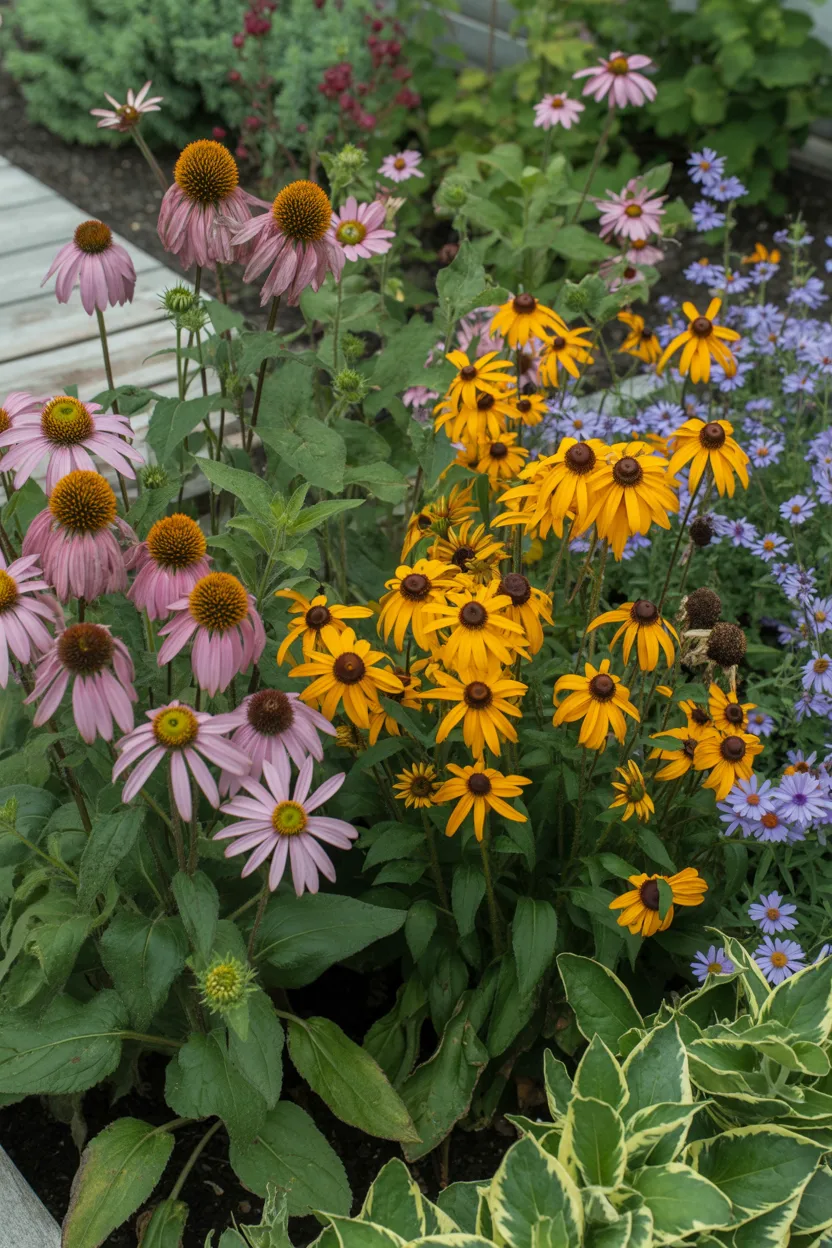
Annuals bloom heavily for one single season. Then they die permanently. You have to rip them out and buy brand new flats the next spring. That gets incredibly annoying.
Perennials go dormant in the winter. They pop right back out of the dirt when the soil warms up. You plant them once. They reward you with free foliage year after year. The roots get stronger every single cycle.
Coneflowers attract gorgeous butterflies. Russian sage brings a silvery purple haze. Black-eyed Susans bloom reliably through harsh heat waves. Daylilies basically thrive on total neglect.
I occasionally grab a flat of cheap annuals to fill an empty porch pot. I just refuse to build my permanent landscape around plants that are guaranteed to die by Halloween.
17. Use a Limited Color Palette
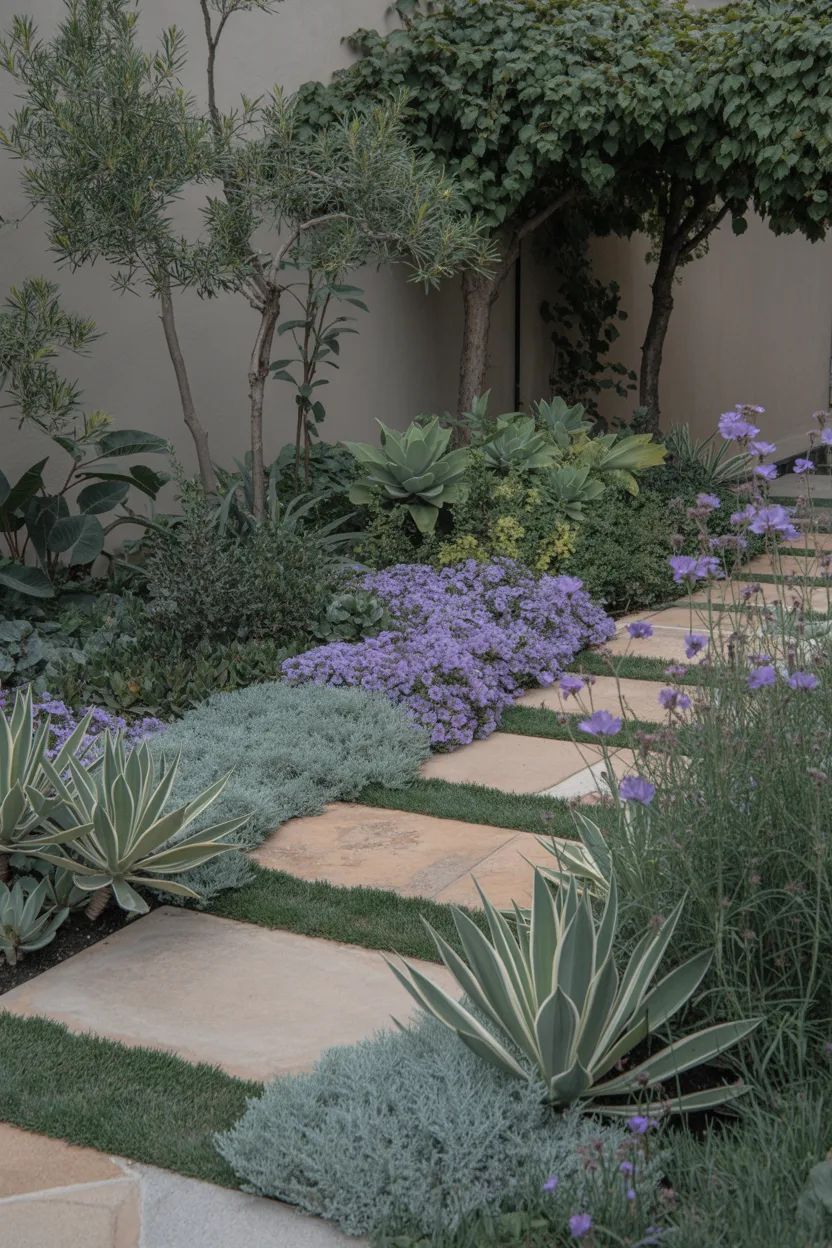
Walking through a nursery is dangerous. You see a hot pink flower. You grab a bright orange pot. You buy a blue bench. You get home and realize your yard looks like a chaotic circus.
Setting strict color rules keeps the space highly elegant. Pick two main floral colors. Decide on one hardscaping tone. Stick to that combination aggressively.
Also Read: 23 Garden Wall Ideas 2026 That Instantly Upgrade Your Yard
A tailored palette might look like:
- Strictly white and soft purple blooms
- Dusty sage green foliage
- Cool gray concrete blocks
- Matte black metal planters
This discipline makes cheap plants look like a million bucks. A tight color scheme always reads as professional design.
18. Add Low Maintenance Garden Lighting
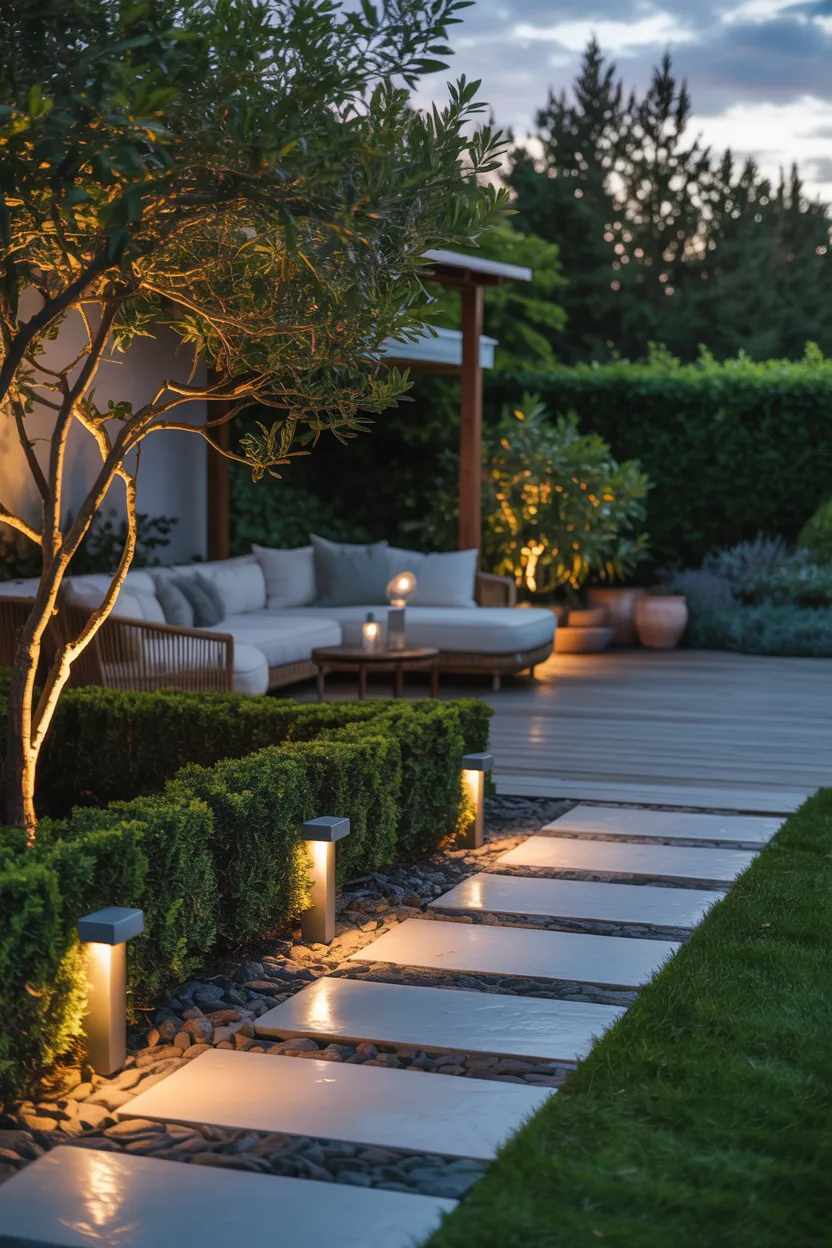
A dark yard feels a bit creepy. Throwing a few subtle lights into the mix makes the area usable long after sunset. It takes very little effort to set up.
You do not need to trench expensive electrical wires across the grass. Push a few solar stakes along the pathway. Aim a small spotlight up into the branches of your favorite tree. Hang a single string of cafe bulbs over the patio.
Shadows make the landscape look deep and mysterious. The lighting highlights the architectural shape of your best plants. It turns the space into an actual evening destination.
Buy bulbs labeled “warm white.” Harsh bluish LEDs make your bushes look like a crime scene.
19. Create One Strong Focal Point
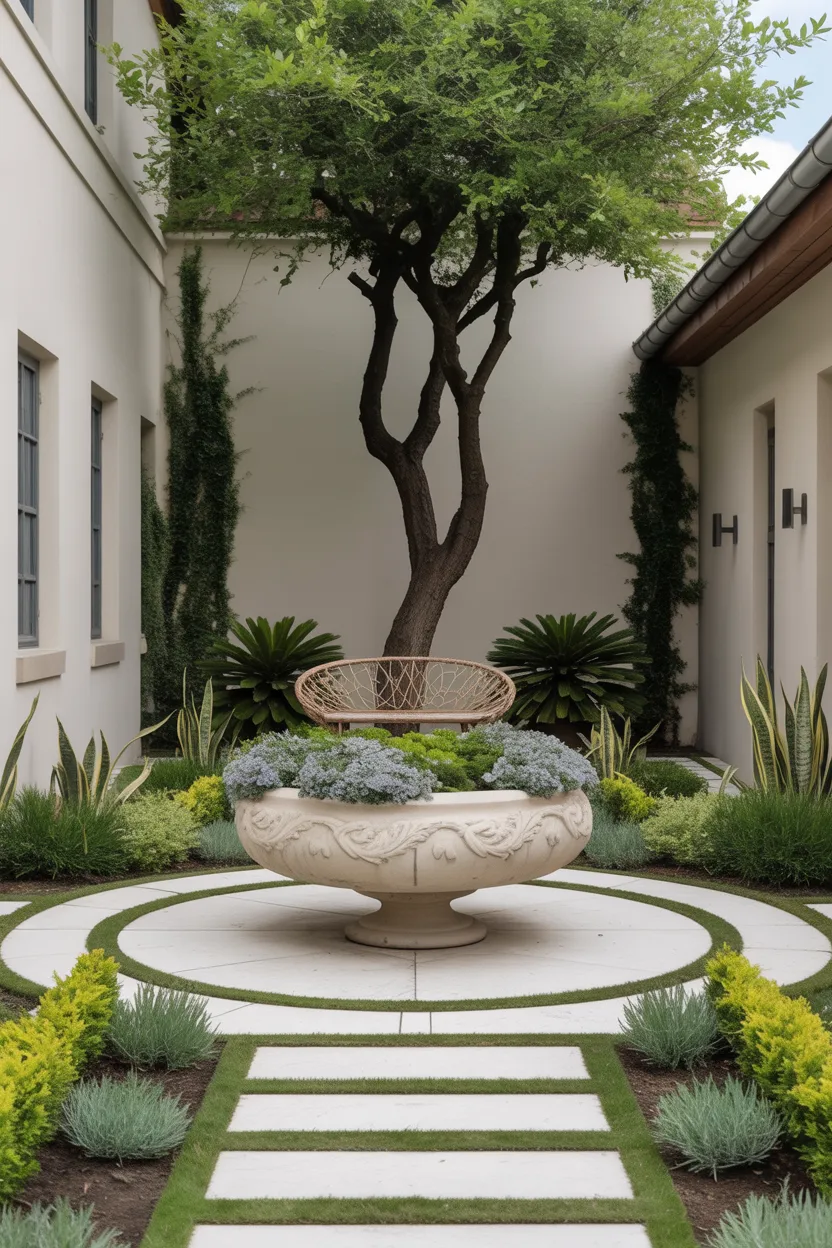
A good design forces the eye to stop moving. Without an anchor piece, your vision just wanders aimlessly over a flat sea of green leaves.
You can use a massive ceramic water bowl. A tall wooden trellis works well. A brightly painted bench draws attention instantly. Even a unique Japanese maple tree can act as the star of the show.
Placing one bold item in the center of the yard distracts from the boring areas. The focal point commands so much attention that nobody notices the patchy grass in the back corner.
I love this cheat code. You spend money on one really great object. You leave the rest of the yard totally basic. It always works.
20. Use Artificial Turf in Small Problem Areas
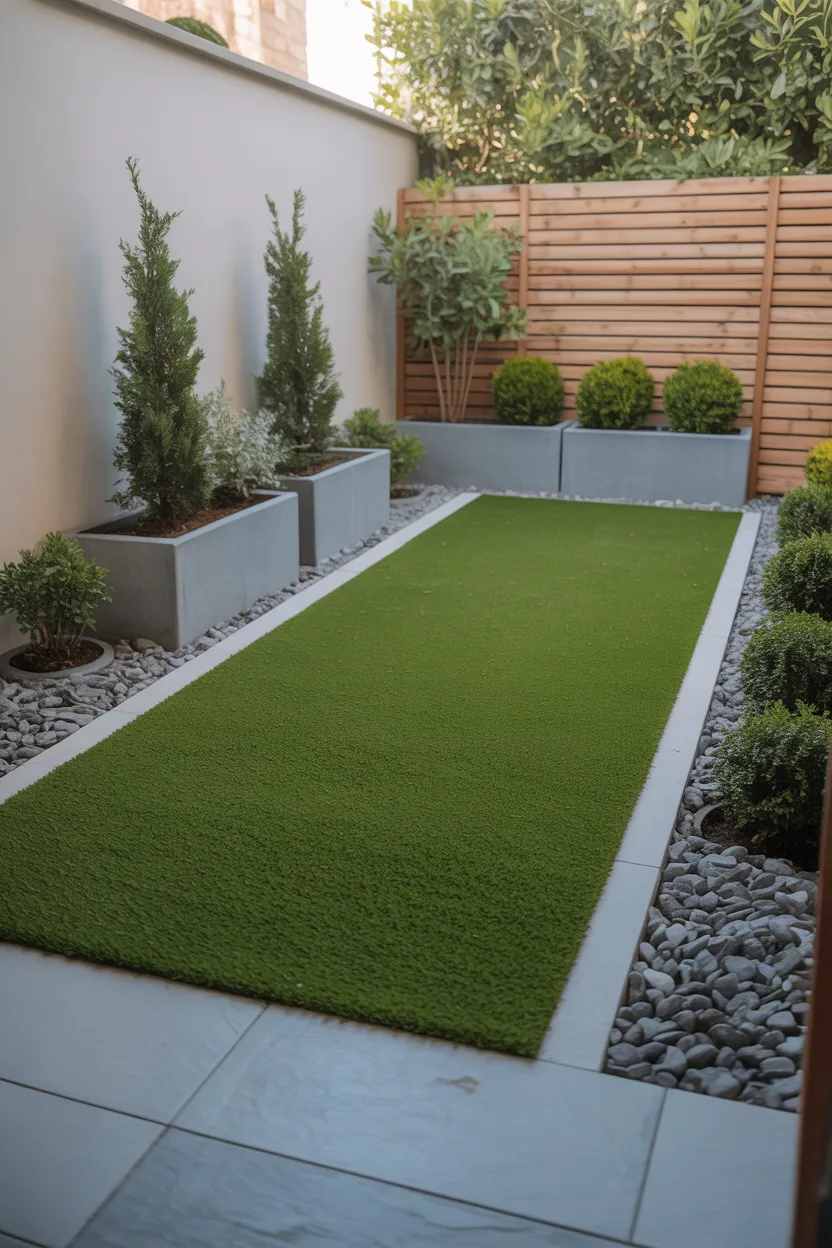
Fake grass gets a bad reputation. Rolling out an entire plastic acre looks incredibly tacky. Using it in tiny isolated pockets is actually a genius move.
Natural grass dies in narrow shady dog runs. It fries near baking concrete pool decks. Turf stays bright green permanently. You never have to drag a heavy lawnmower into an enclosed courtyard again.
Keep the footprint small. High-quality synthetic grass looks surprisingly realistic when framed properly by real mulch and actual stone. It just blends right into the background.
It is the perfect cheat for spots where biology absolutely refuses to cooperate.
21. Build a Patio Garden Instead of a Full Lawn Garden
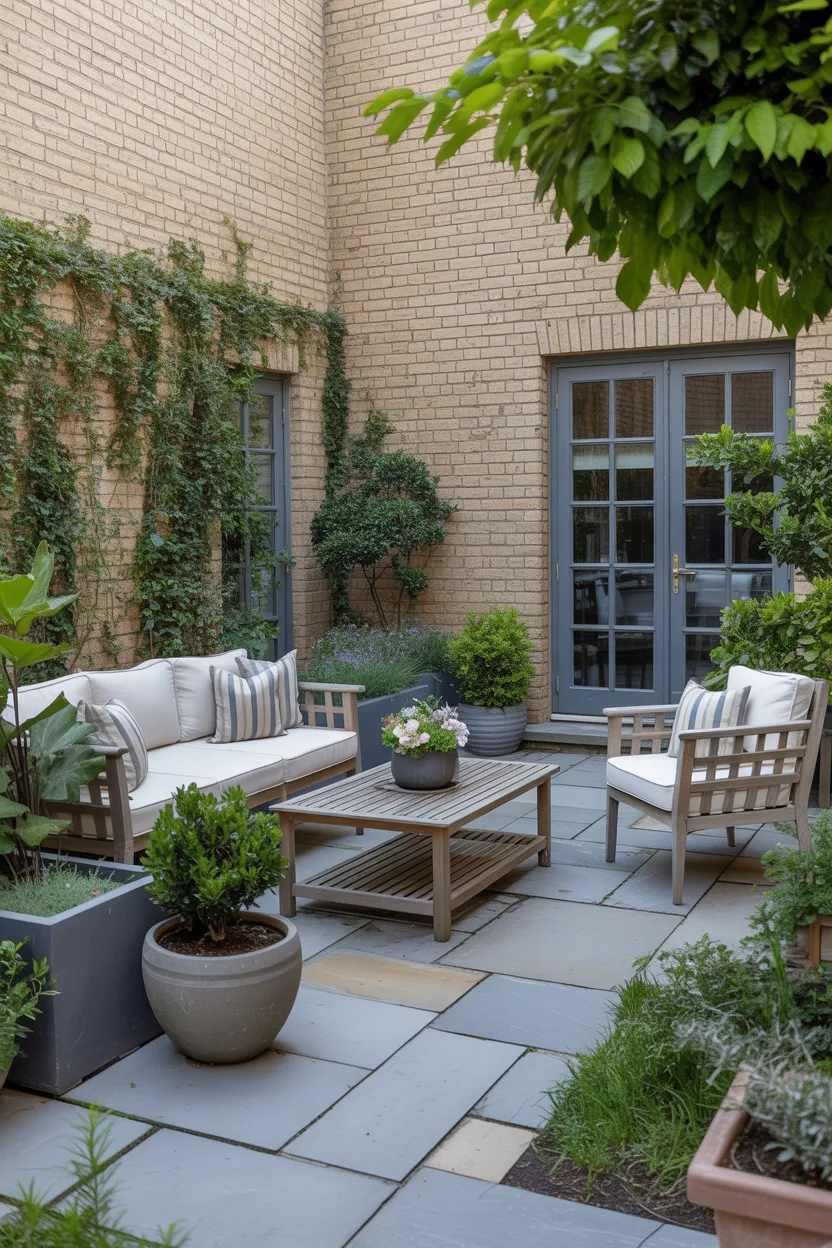
You do not actually need grass to have a stunning backyard. Paving the entire main area turns the space into an open-air living room. You trade mowing for lounging.
This setup fits urban lots perfectly. You surround a solid stone base with a few tall planters. It feels incredibly lush and secluded. You get all the fresh air benefits without spending Saturday morning fixing a broken sprinkler head.
Also Read: 25 Outdoor Party Lounge 2026 Ideas for Fun Nights
A cozy patio layout needs:
- A flat paver foundation
- A deep comfortable sofa
- Three oversized ceramic pots
- A wooden privacy wall
- String lights overhead
- One or two dwarf trees
That sounds a lot better than pushing a noisy gas mower around in the July humidity.
22. Train Climbers on Trellises or Fences
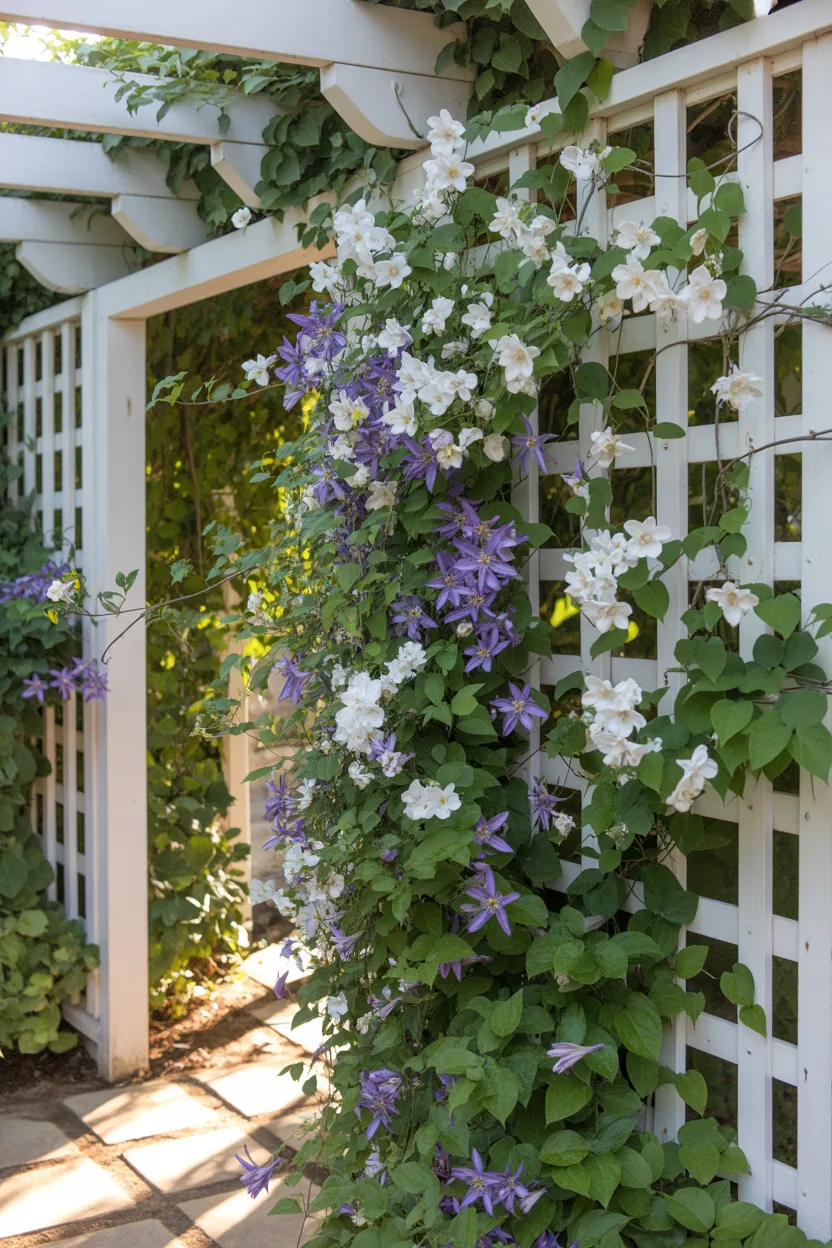
Vines provide massive vertical volume. They eat up very little ground space. A single creeping plant can completely cover an ugly chain-link fence by the end of summer.
You have to pick your species carefully. Some vines destroy brick mortar. Others grow out of control and try to swallow your roof. You want a well-behaved variety that stays contained to its wooden trellis.
Star jasmine smells amazing near a seating area. Clematis produces huge saucer-like flowers. Climbing roses bring a classic cottage vibe. Ivy provides a dense traditional look in shady corners.
Growing upward makes a flat yard feel like an enclosed secret garden. The foliage surrounds you instead of just sitting at your ankles.
23. Keep the Lawn Small and Purposeful
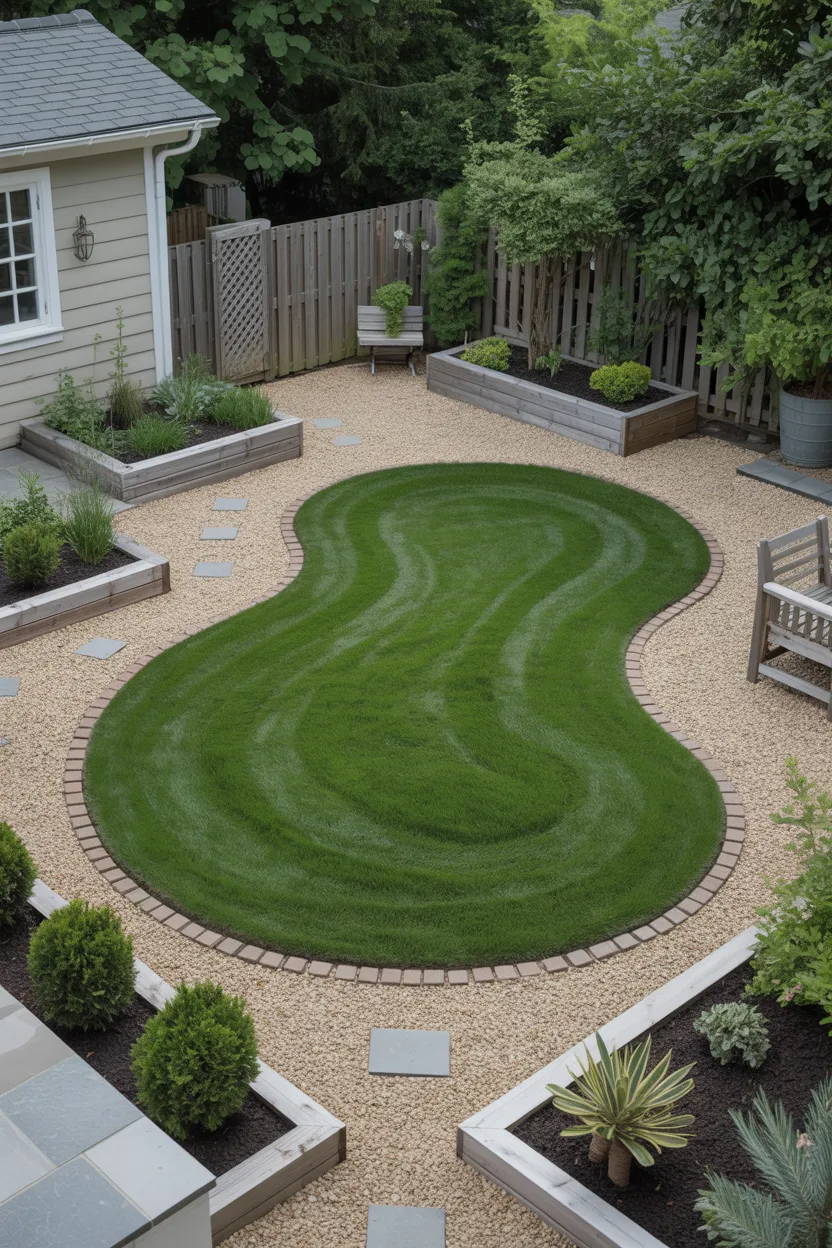
You can keep some grass if you genuinely enjoy the soft texture. You just do not need an entire football field of it. A smaller turf footprint is much easier to feed and water.
A tiny manicured lawn acts like an area rug for your backyard. It provides a soft visual break between heavy concrete patios and dense shrubbery. It looks highly planned.
Leave grass only in spots where you actually need it:
- A dedicated play zone for kids
- A visual buffer between heavy rock beds
- A grassy square in the middle of a courtyard
- A designated bathroom area for the dog
Fill the rest of the lot with low-maintenance rocks, mulch, and raised planters. You get the green aesthetic without sacrificing your entire weekend.
24. Design for Your Real Life, Not Fantasy Garden Life
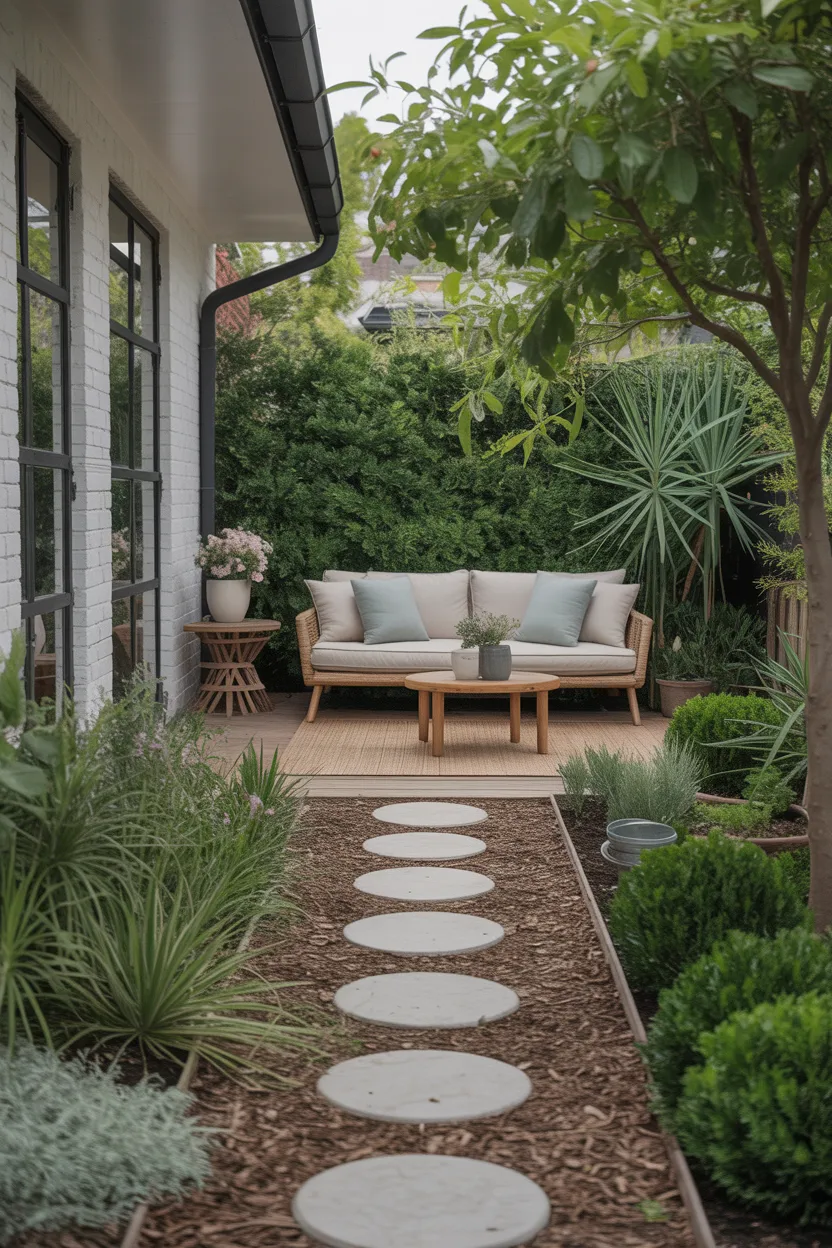
We all lie to ourselves in the spring. We buy complicated plants assuming we will suddenly become diligent caretakers.
Do not build a layout for an imaginary version of yourself. Stop pretending you enjoy dragging a heavy hose around at six in the morning. Acknowledge your actual schedule. Plan for the lazy days. Design an outdoor space that forgives you when you ignore it.
Take an honest look at your budget and free time. Buy plants that match those limitations. That prevents the guilt trip that happens when expensive flowers start drooping in August.
A successful yard looks decent year-round. It survives your busiest work weeks. It forgives your vacations. Honesty makes the best fertilizer.
Best Plant Types for a Low Maintenance Garden
Choosing the right categories saves you from endless frustration. Some species just naturally demand less from you. Build your foundation around those specific groups.
You want greenery that holds its shape. You need roots that handle your local weather patterns. Constant feeding should never be required. The priority is quiet reliability over temporary flashiness.
Lean heavily on these specific plant families:
- Ornamental grasses provide texture
- Evergreen shrubs maintain winter shape
- Native species adapt easily
- Drought-tolerant perennials offer easy color
- Succulents handle baking heat
- Creeping ground covers block weeds
- Compact bushes limit pruning chores
Focusing your budget on these groups makes managing the landscape incredibly straightforward.
Common Mistakes That Make Gardens Harder to Maintain
A lot of terrible chores are entirely self-inflicted. People make poor planning choices on day one. They spend the next three years paying for it.
Buying twenty different flower species guarantees confusion. Fighting your native soil type is a losing battle. Leaving bare dirt invites an army of dandelions. Relying on dozens of tiny plastic pots turns watering into a part-time job.
Watch out for these classic landscaping traps:
- Hoarding random plant varieties
- Keeping massive thirsty lawns
- Skipping the mulch layer
- Relying entirely on a hand hose
- Planting fussy annuals everywhere
- Creating chaotic curvy borders
- Ignoring daily sun exposure patterns
- Forgetting winter structural plants
Dodging these mistakes saves massive amounts of energy. Smart planning prevents backyard chaos before it even takes root.
How to Make a Low Maintenance Garden Still Look Stylish
A lazy yard does not have to look cheap. You can pull off a highly sophisticated look with very little effort. You just need to rely on visual structure.
Repeat your favorite plants over and over. That repetition signals professional intent. Lay down crisp metal edging to separate the mulch from the gravel. Buy one heavy stone fountain to act as an anchor piece. A few large gestures look better than a hundred tiny decorations.
Elevate the aesthetic by:
- Sticking to a strict color theme
- Balancing heavy rock with soft grasses
- Upgrading to massive ceramic containers
- Hanging subtle amber lighting
- Hiding the plastic garden hoses
- Relying on leafy textures rather than blooms
Restraint is the ultimate secret. Editing your bad purchases out of the yard makes the good stuff pop.
Final Thoughts
Stepping away from constant yard work is totally acceptable. It just requires a shift in strategy. You trade heavy labor for smarter choices.
Updating your space for 2026 means focusing on tough native bushes. It means laying down heavy gravel. It means buying fewer plants but choosing better varieties. Those decisions lower your stress levels and keep the property looking fresh without demanding your weekends.
Look closely at how you actually spend your free time. Let that reality dictate your landscaping plans. Accept your busy schedule. Embrace the lazy afternoons. A great yard should fit seamlessly into your life rather than actively fighting against it.
Grab two or three concepts from this guide and try them out. You will quickly discover that doing less work actually makes the outdoors much more enjoyable.

1 Comment