

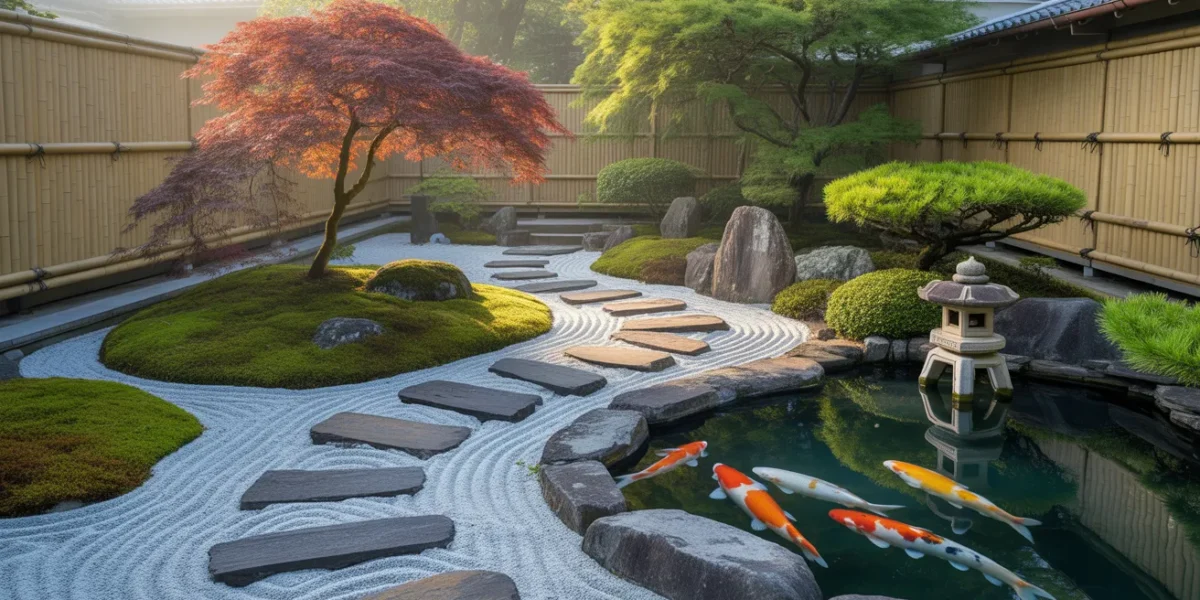
Some backyard designs try way too hard. A Japanese garden never does. That is exactly why it feels so refreshing.
You won’t find loud plastic lawn ornaments fighting for your attention. The focus shifts to clean lines and natural textures instead. These spaces force you to slow down. They give you a reason to step outside and just breathe. I have always gravitated toward this aesthetic because it makes tiny yards feel incredibly purposeful.
Placing a few stones next to a curved path instantly grounds the entire property. Let’s look at these 22 Japanese garden ideas for 2026 and figure out how to build a backyard you actually want to use.
1. Build a Simple Gravel Zen Corner
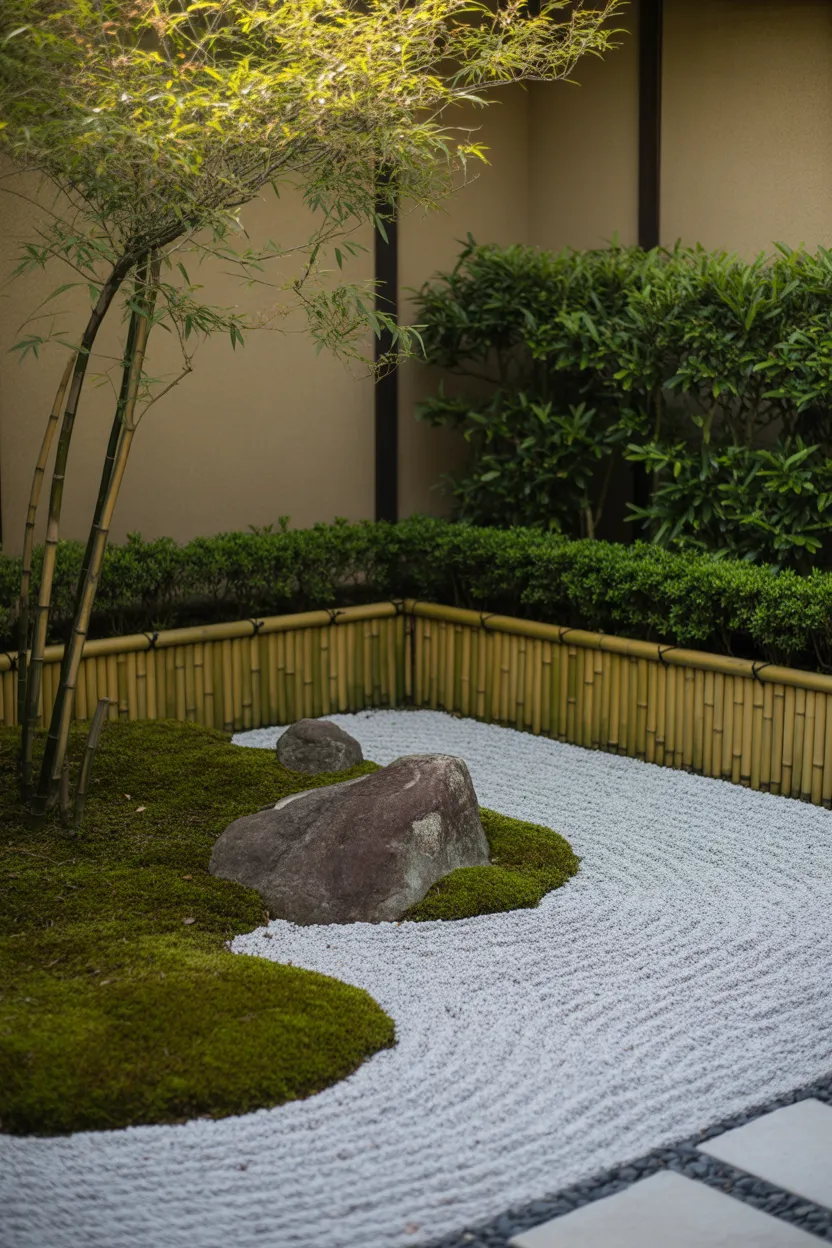
Building a gravel Zen corner is the easiest entry point into this design style. You do not need a massive landscaping budget to pull it off. You just need a quiet patch of dirt and the right type of crushed stone. This concept works miracles for awkward side yards.
It also fixes those weird empty patio corners that normally collect dead leaves. I love how gravel immediately changes the mood of a space. Raking patterns into the stones creates a very soothing morning ritual.
It gives your eyes a visual pathway to follow. That simple repetition clears your head before a busy workday.
Also Read: 21 Outdoor Breakfast Patio 2026 Ideas for Cozy Mornings
To make it look right, focus on a few essentials:
-
Buy fine gravel instead of chunky river rocks
-
Place one large boulder slightly off center
-
Build a clean border using cedar planks
-
Keep the surrounding greenery very minimal
Resist the urge to fill the empty space. A proper Zen corner thrives on restraint. Cluttering it with too many plants defeats the entire purpose.
2. Add a Stone Path That Slows You Down
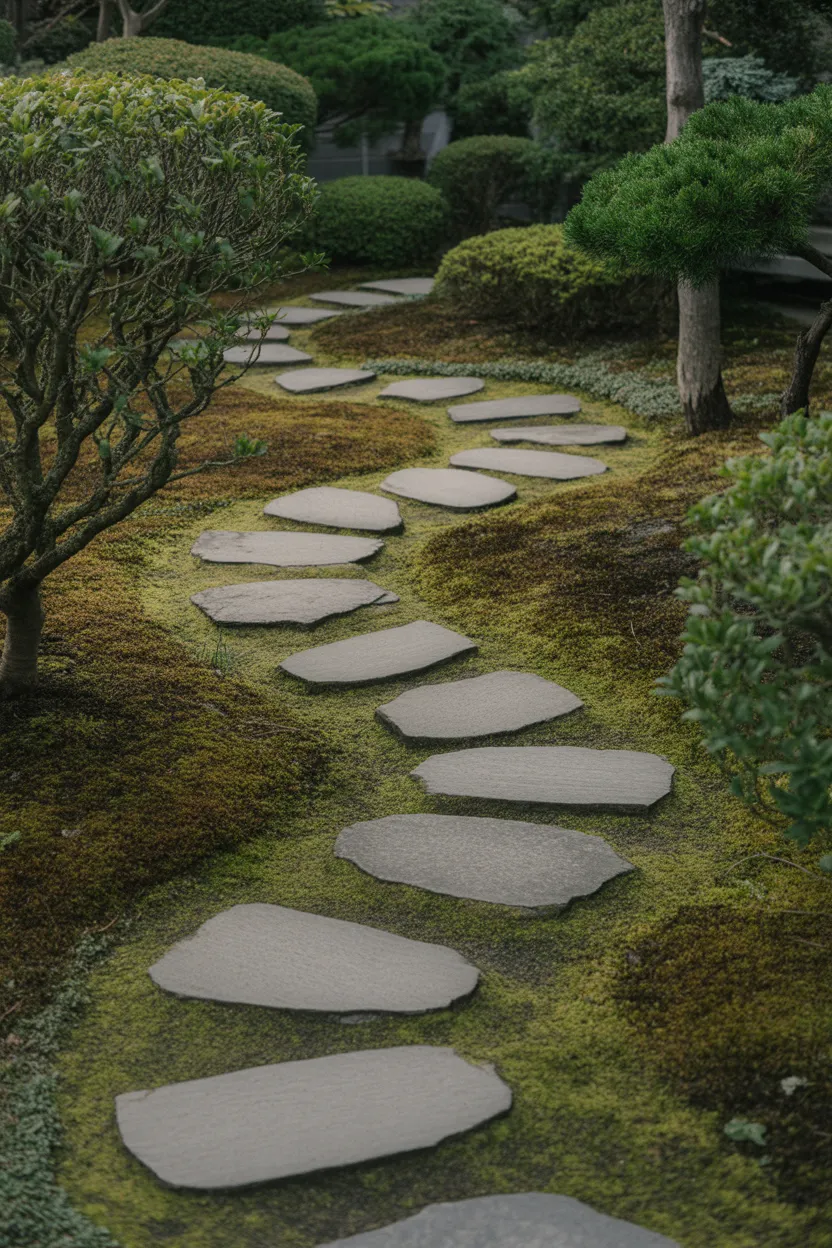
A stone path dictates the exact speed people walk through your yard. Spacing out individual pavers forces visitors to watch their footing. They naturally slow their pace. That slight hesitation is completely intentional.
A Japanese garden should encourage quiet movement. Nobody should be sprinting past your plants. I always recommend laying out a curved walkway rather than a straight sidewalk. It builds a sense of discovery.
You want guests wondering what waits around the next bend. Go to a local stone yard and pick out weathered pieces. Glossy manufactured pavers look entirely out of place here.
Let the dirt and moss slowly creep up the sides of the stones. That natural integration makes the path feel like it has been there for decades.
3. Use Moss for a Soft, Aged Look
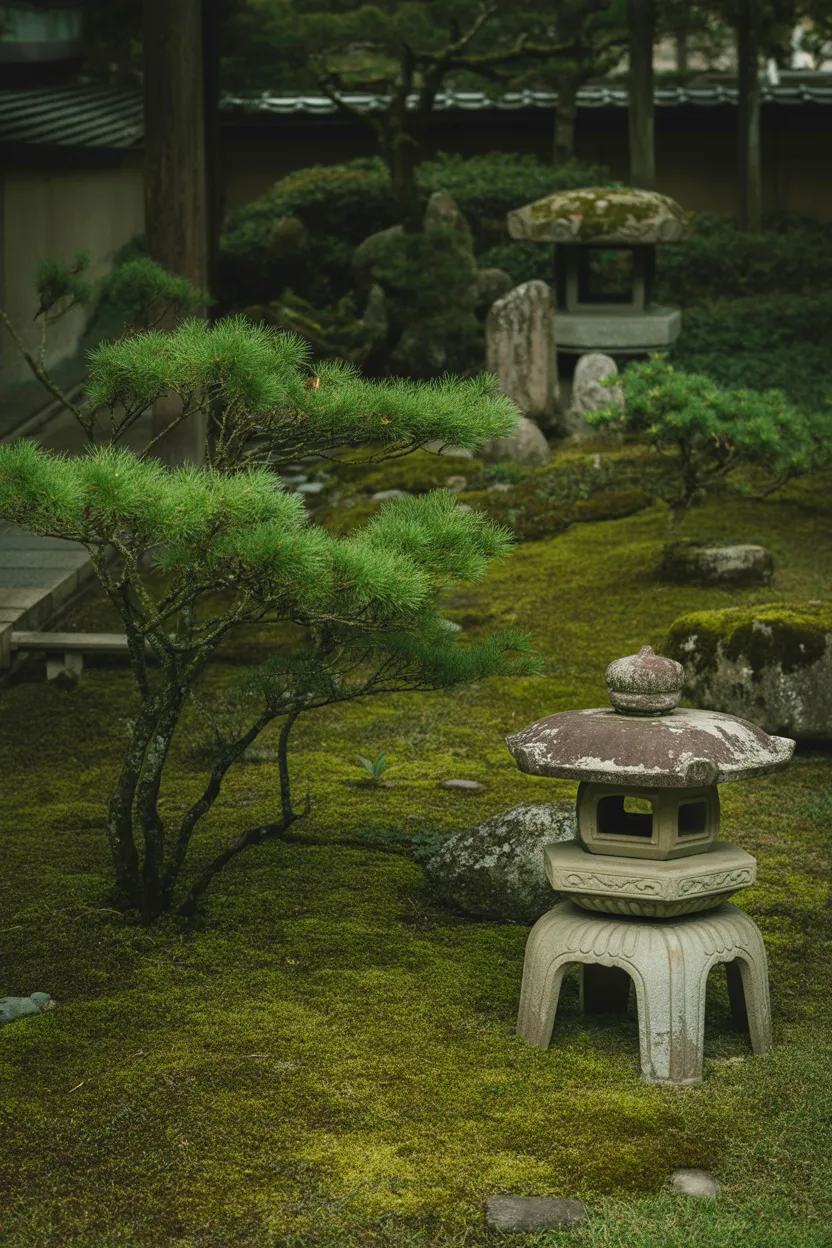
Growing moss adds instant history to a brand new landscape project. It creeps over sharp rock edges and creates a velvety green blanket right at soil level. This is how you get that ancient temple aesthetic in a suburban backyard.
I heavily rely on moss when a space feels too sterile. It tricks the brain into thinking the garden has existed for years undisturbed. The spongy texture contrasts beautifully against rough gravel and hard stepping stones.
You will need a deeply shaded area to keep it alive. Let it crawl up the base of stone lanterns or water basins. It brings a magical quality to the yard that never crosses into tacky territory.
Look into low creeping thyme or Irish moss if your climate runs too hot for the real thing. You can easily fake the look with drought tolerant ground covers.
4. Place a Stone Lantern as a Focal Point
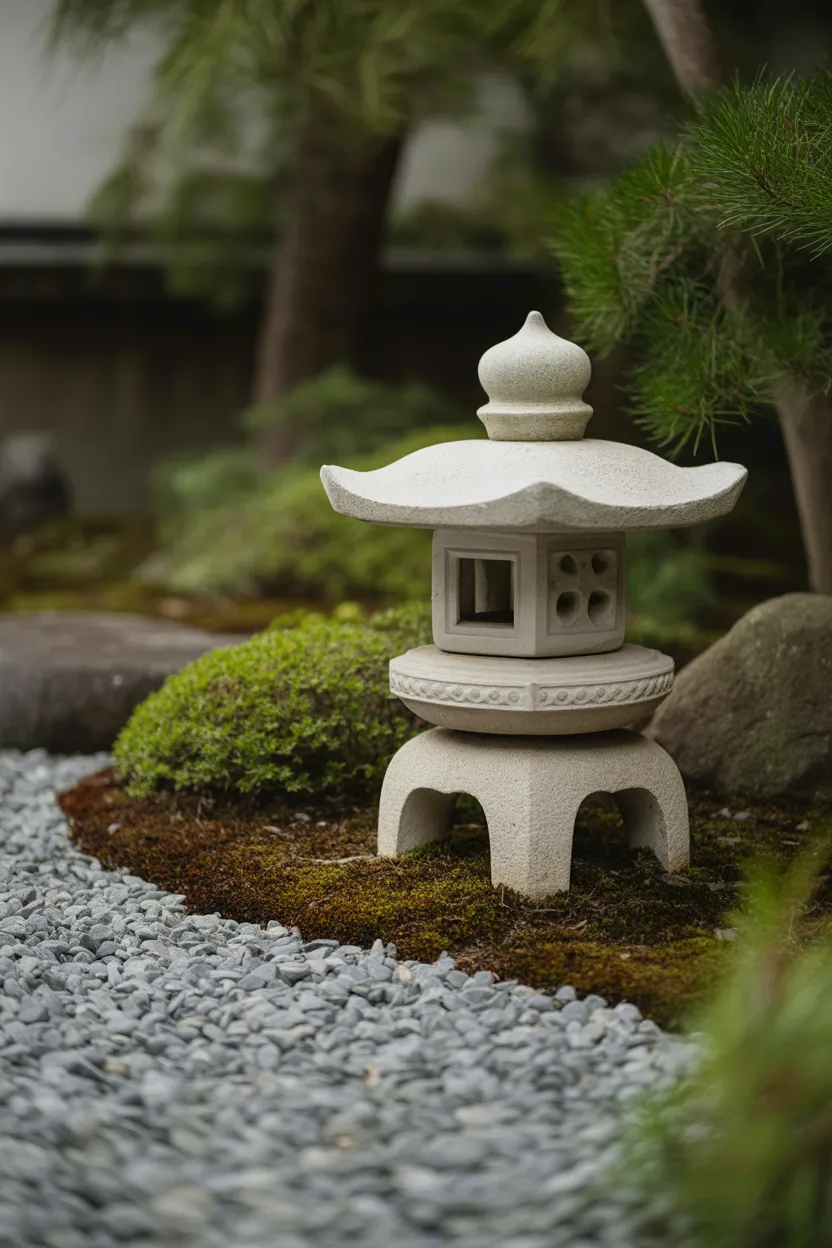
A stone lantern is highly recognizable. The trick is knowing when to stop. Placing one single lantern in a dark corner looks elegant. Dropping five of them across your lawn looks like a mini golf course.
I always try to partially hide these fixtures behind a low shrub. You want guests to discover the piece as they walk by. Tucking a weathered granite lantern near a water basin feels incredibly authentic.
It gives your eyes a heavy focal point to rest on. Skip the cheap plastic knockoffs found at big box hardware stores. You need actual stone with a bit of grit to make this work.
Let the elements wear it down over time. A pristine perfectly clean lantern looks incredibly fake outdoors.
5. Create a Small Koi Pond
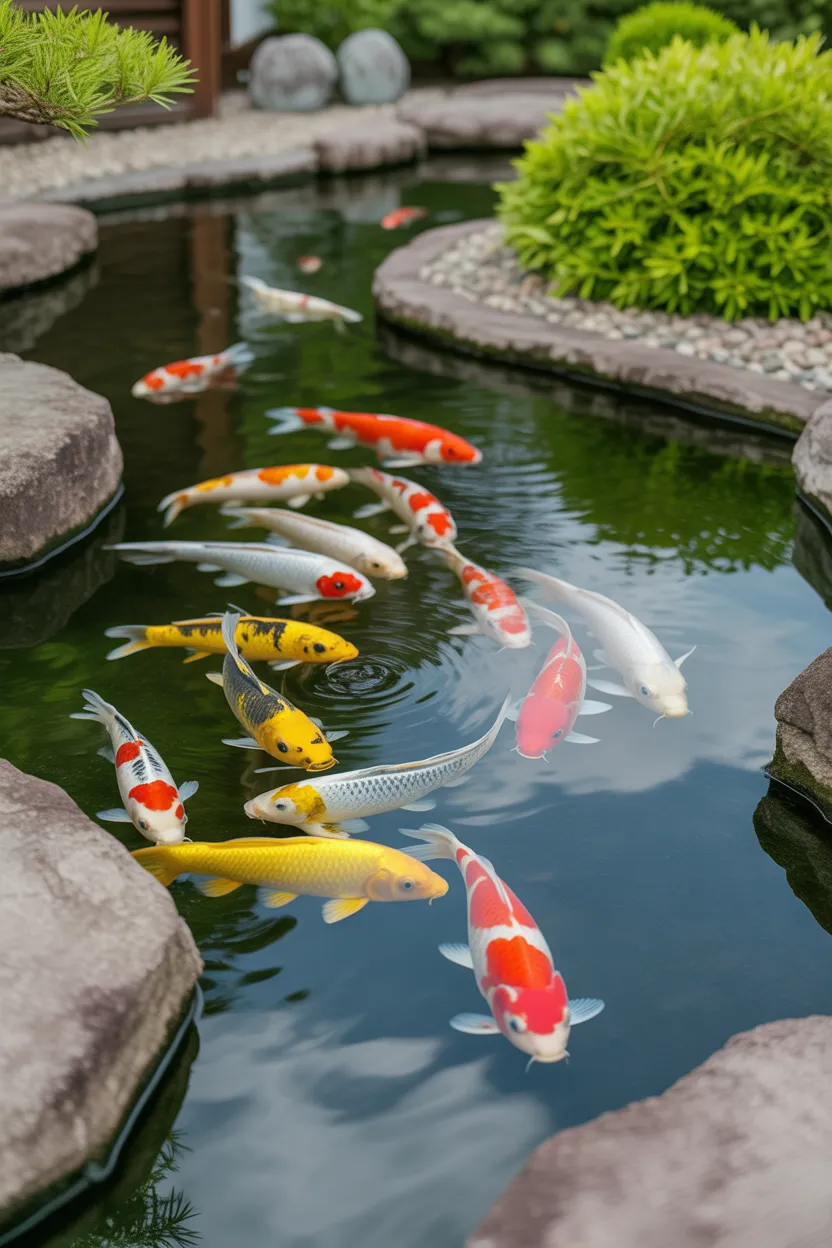
Digging a small koi pond completely shifts the energy of a backyard. Water reflects the sky and introduces a very faint trickling sound. Adding fish brings a slow moving life force to the area.
I love sitting next to a pond after a chaotic work shift. Watching koi glide around under lily pads lowers my blood pressure almost instantly. It acts like a giant reset button for your brain.
You really don’t need a massive swimming pool sized setup. A modest footprint works beautifully if you blend the edges into the surrounding dirt. Hide the black plastic pond liner completely.
Also Read: 23 Garden Wall Ideas 2026 That Instantly Upgrade Your Yard
A few important details make a big difference:
-
Hide the plastic liner with heavy stones
-
Invest in a high quality water pump filter
-
Drop in a few floating water lilies
-
Leave enough empty space for a seating area nearby
Resist buying fake floating frogs or plastic lily pads. Let the live fish be the main attraction.
6. Use Bamboo Fencing for Privacy
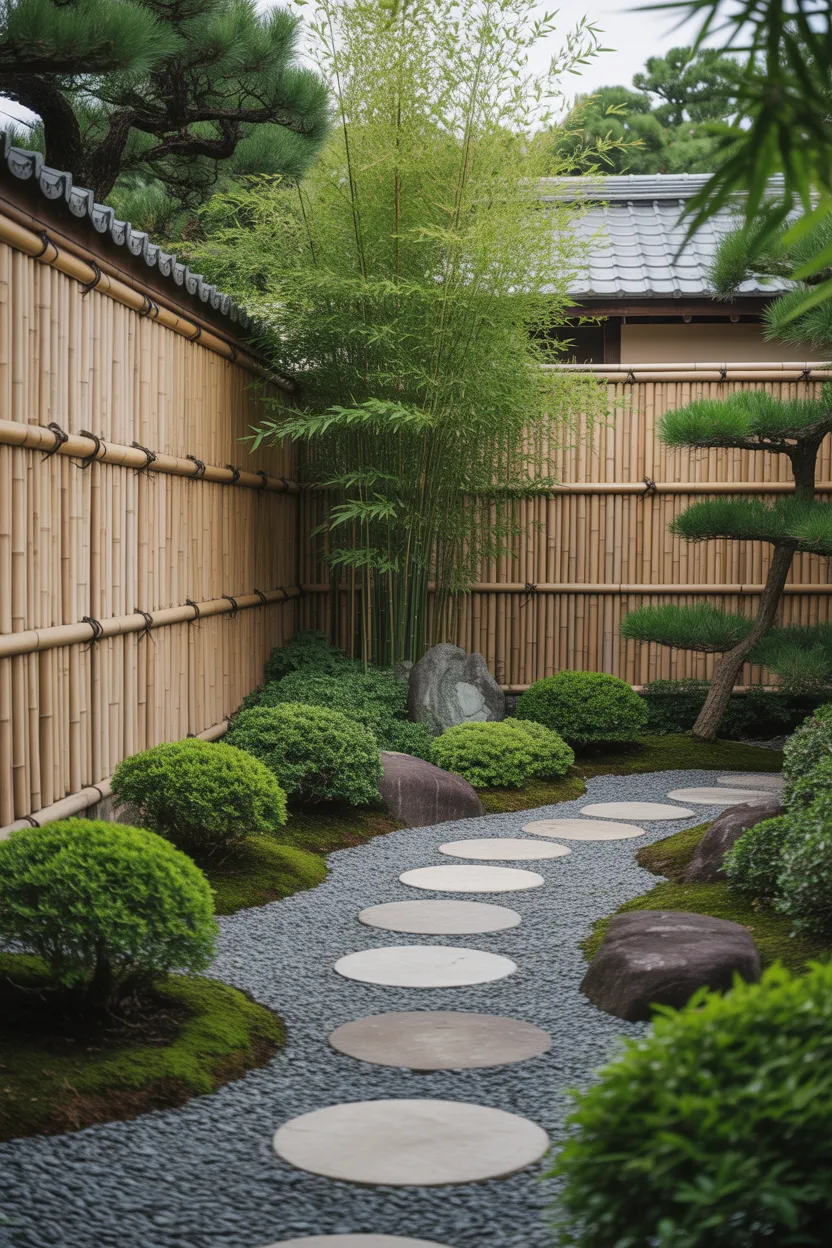
Installing a bamboo fence blocks out the neighborhood while staying true to the aesthetic. Heavy cedar panels can feel like a prison wall. Bamboo keeps things feeling light and organic.
I use this trick constantly when a property borders an ugly alleyway. Nobody wants to look at a neighbor’s rusted car parts while drinking green tea. Rolling out a bamboo screen instantly cures bad views.
The texture is fantastic. It adds vertical ridges that contrast perfectly against smooth gravel and soft moss. Buy the natural golden rolls instead of the artificially dyed black ones.
A simple vertical arrangement turns a boring property line into a beautiful backdrop for your plants. It ties the whole garden theme together seamlessly.
7. Plant Japanese Maples for Color and Shape
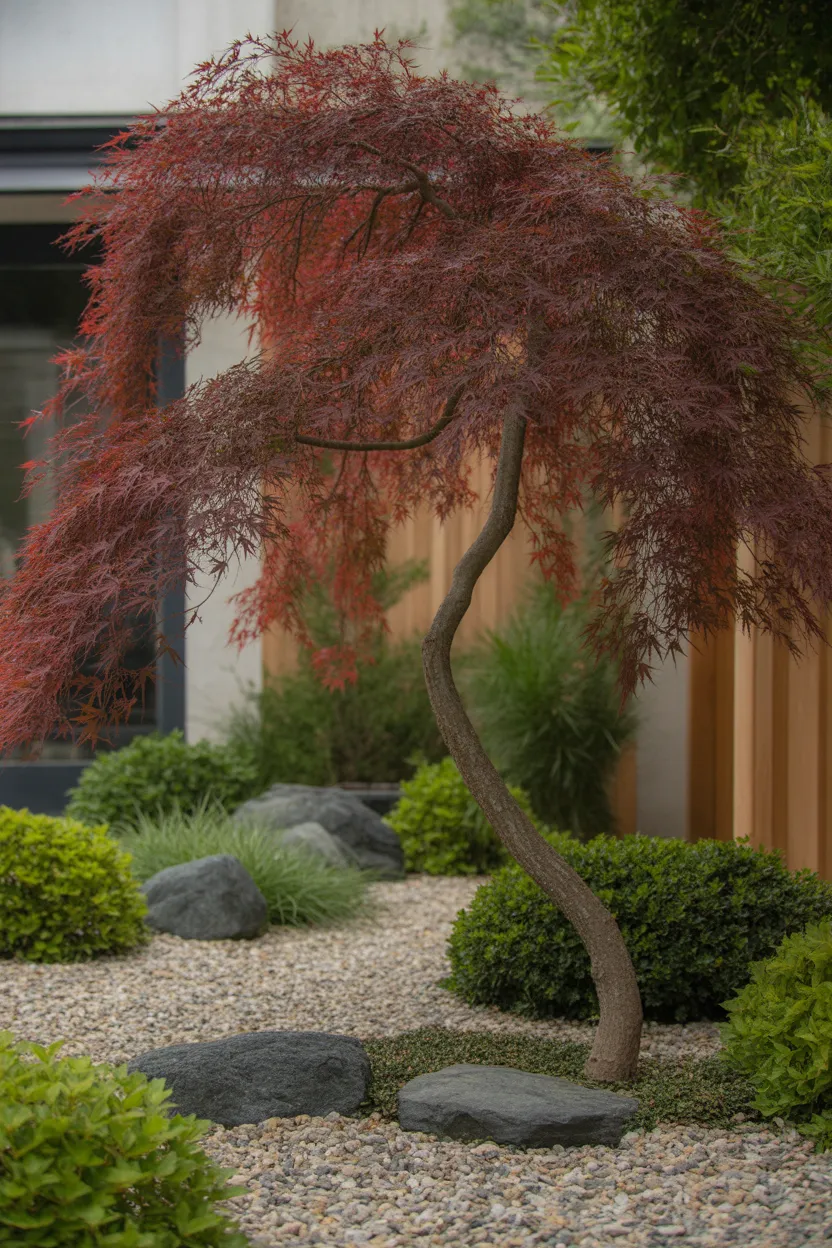
Planting a Japanese maple is practically mandatory for this style. The branches grow in a weeping architectural shape that looks incredible even in the dead of winter.
The leaves introduce a deep pop of color without looking like a messy flowerbed. I tell clients to buy these trees because they fit perfectly into tiny courtyard spaces. A single maple can easily carry the design weight of an entire front yard.
The way the leaves turn bright crimson in October is unreal. You can choose a dark burgundy variety for some moodiness. A bright lime green version works well in heavily shaded corners.
Also Read: 25 Outdoor Party Lounge 2026 Ideas for Fun Nights
Just give the tree enough room to spread its branches out naturally. Don’t hack away at it with hedge trimmers. Let it grow into its natural umbrella shape.
8. Design Around Asymmetry
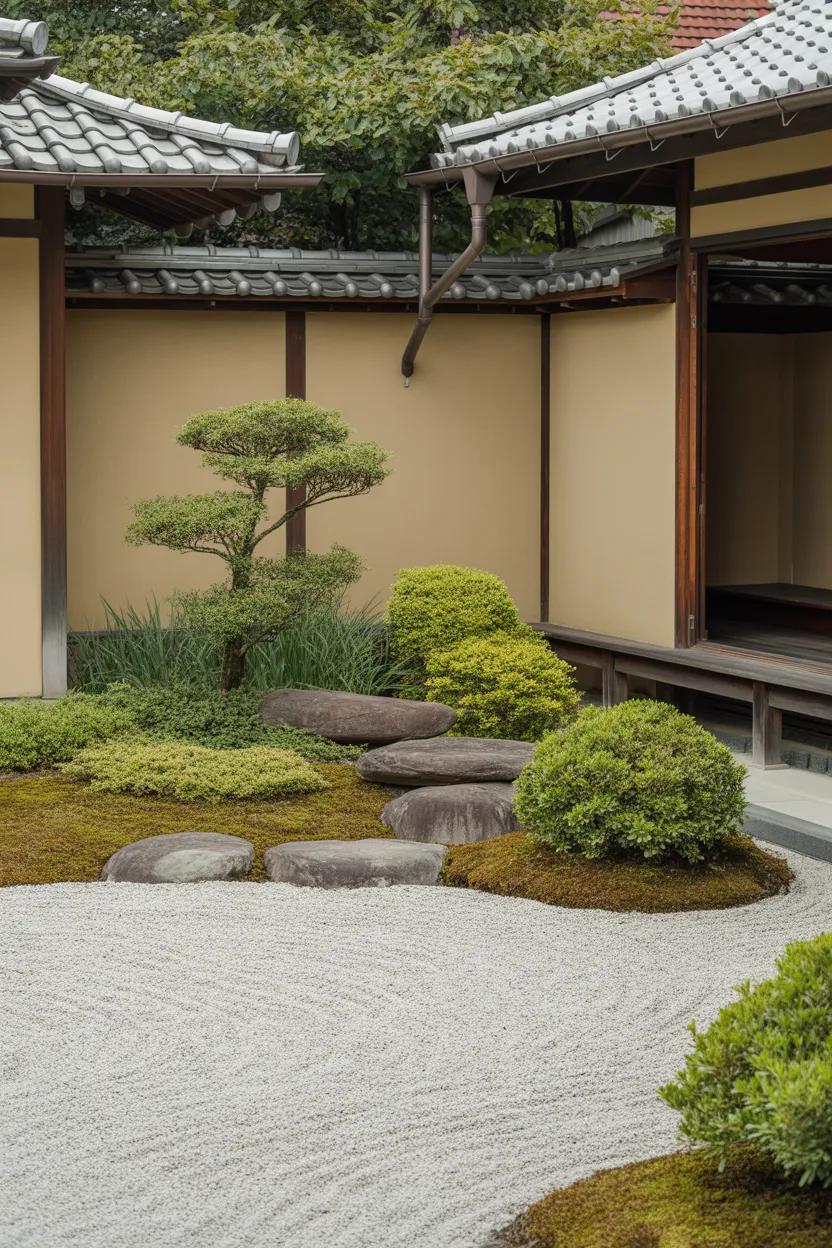
Western landscaping relies heavily on mirrored perfection. Japanese gardens lean into asymmetry instead. True balance comes from contrast. It makes the entire layout feel organic and deeply relaxing.
I love this approach because it kills the stress of perfectionism. You do not need to buy matching pots for either side of your walkway. Forests do not grow in straight identical lines. We shouldn’t force our yards to do that either.
Placing one massive boulder on the left can perfectly balance three small ferns on the right. An empty patch of raked sand holds just as much visual weight as a tall pine tree.
Here are a few easy ways to use asymmetry:
-
Push your main water feature slightly off to the side
-
Pair a massive boulder with a few tiny river rocks
-
Leave an entire corner completely empty of plants
-
Group shrubs in odd numbers like threes or fives
This uneven approach tricks the eye. It makes the landscaping look like a natural woodland clearing.
9. Include a Wooden Garden Bridge
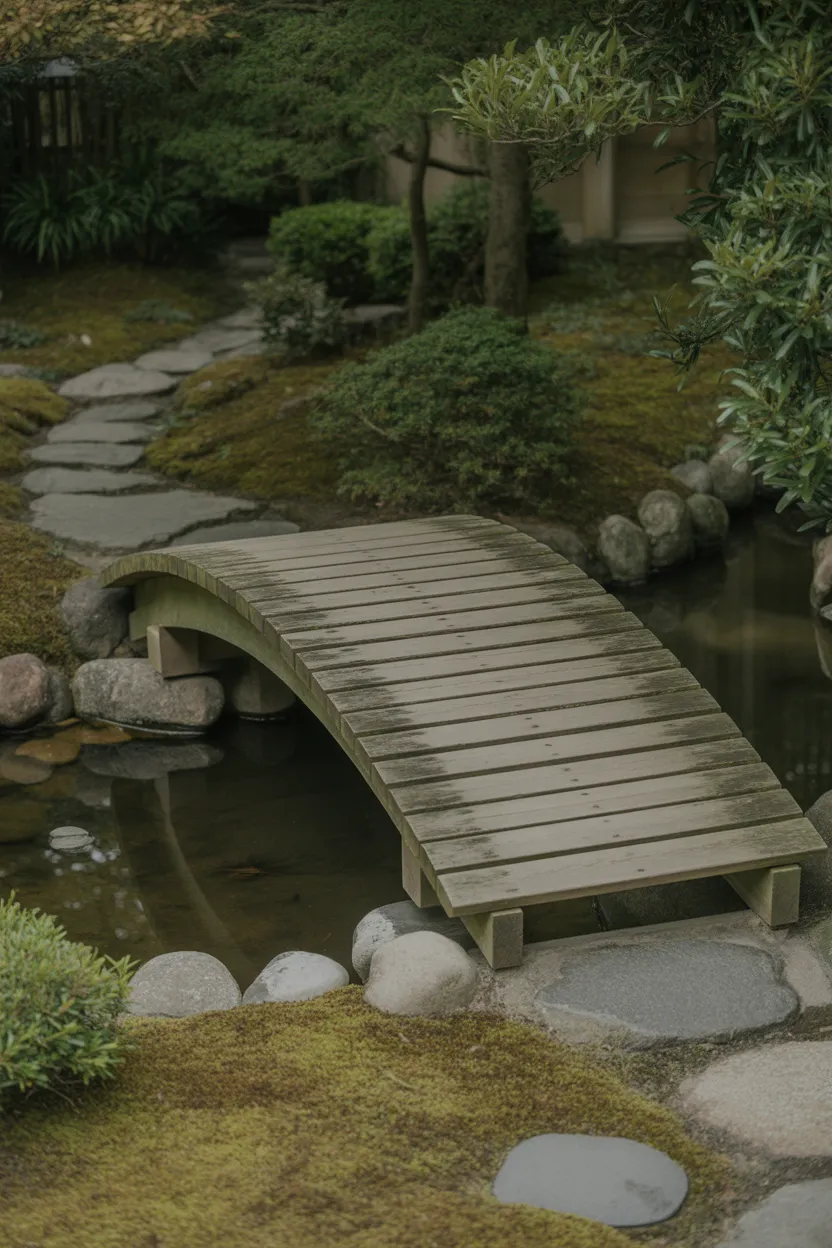
Adding a wooden bridge introduces a very classic architectural element. You can span it across an actual koi pond or just lay it over a raked gravel bed.
Please don’t force a bridge into a yard that doesn’t have the square footage for it. But if you have a slight dip in the terrain, bridging that gap creates a magical focal point. It literally gives guests a reason to stop walking and take in the view.
I strongly prefer unpainted wood for these structures. Bright red bridges look great at public botanical gardens but usually feel a bit like a theme park in a residential backyard.
Keep the railings low and the wood natural. It forces you to actively transition from one garden zone to the next.
10. Add a Dry Riverbed Feature
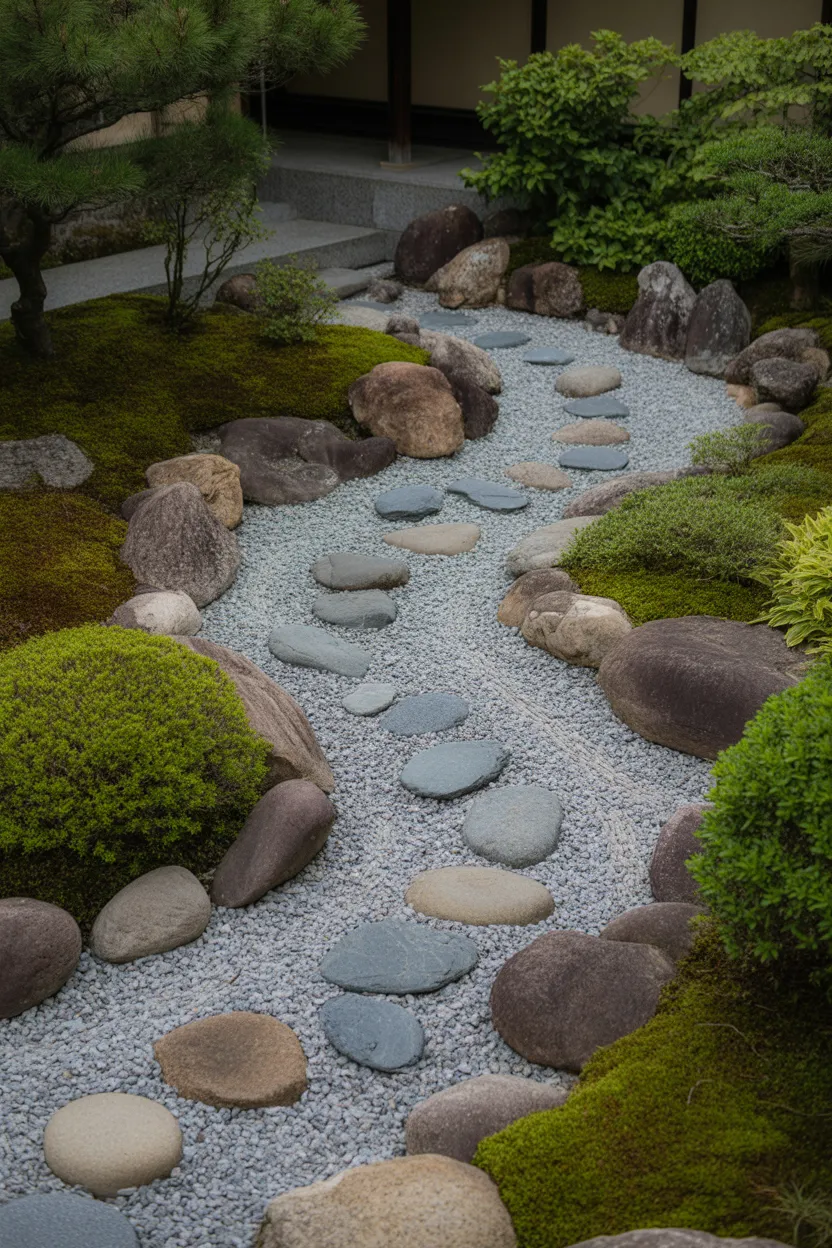
Designing a dry riverbed gives you the illusion of a babbling brook without the nightmare of pump maintenance. You just use different sizes of gravel to map out the shape of a dried up stream.
I pitch this idea to clients who want a water feature but refuse to deal with algae or filters. You get the artistic curves of a river completely maintenance free. It acts like a visual highway.
Your eyes naturally trace the winding path of the rocks. You can easily use this technique to divide a dining patio from a lounging area.
Also Read: 22 Gazebo Deck Ideas 2026 for a Stylish Backyard Setup
For the most natural look, use:
-
Source smooth stones that look like water actually washed over them
-
Mix tiny pebbles with medium sized cobbles
-
Carve out winding snake like curves in the dirt
-
Place heavy boulders on the outside edges of the turns
Never lay the stones in a perfectly straight line. Water follows the path of least resistance. Your rocks should mimic that randomness.
11. Set Up a Tea Seating Area
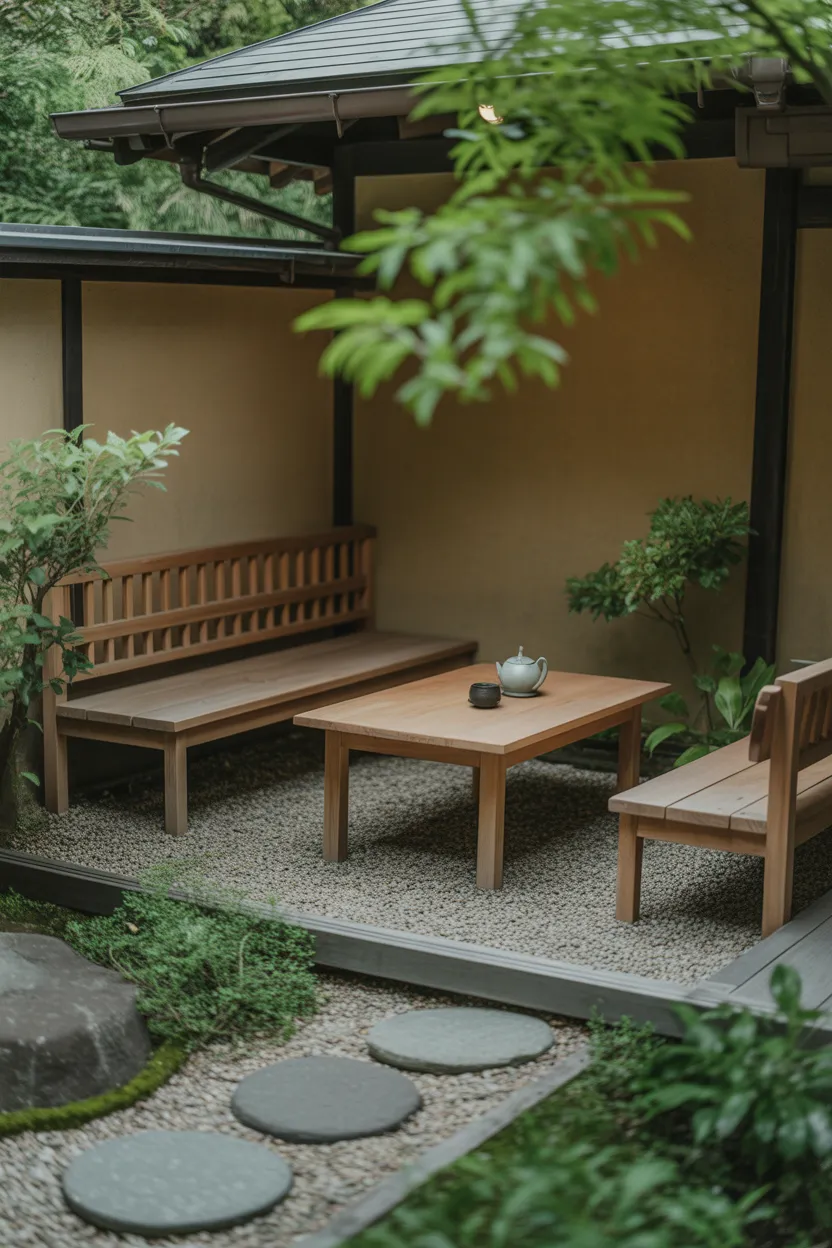
Creating a tea seating area forces you to actually use your yard. It offers a dedicated spot to drink a hot beverage and ignore your phone for twenty minutes.
You do not need a massive ten person dining table to achieve this. A single wooden bench or two low sitting chairs will do the job perfectly. The priority here is creating an intimate nook.
Gardens feel completely pointless to me if you can only look at them through a kitchen window. Adding a place to sit pulls you outdoors.
Also Read: 21 Gazebo Lighting Ideas 2026 That Feel Warm and Magical
Skip the bright plastic patio sets. Go for weathered teak or heavy stone seats. Position the chairs so they face your favorite maple tree or water feature.
12. Frame the Entrance With Shrubs and Stones
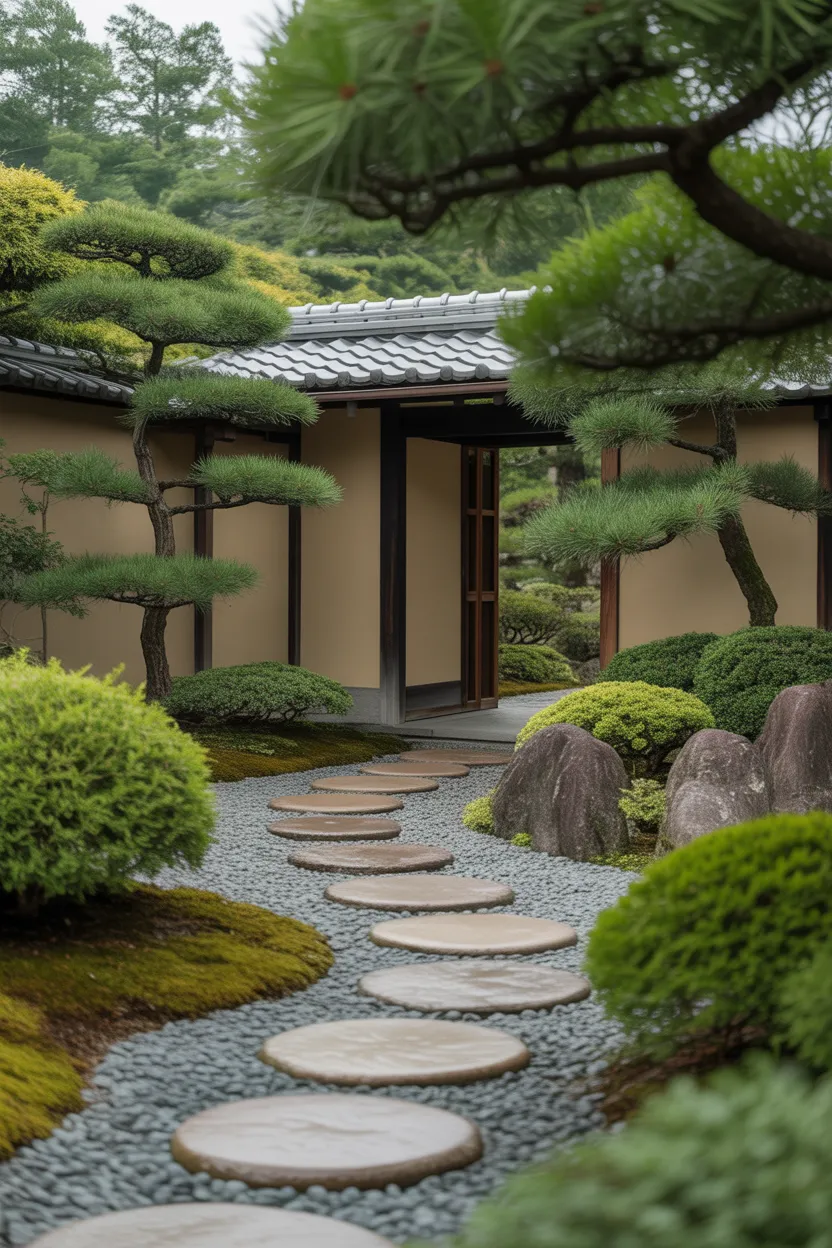
Your entryway sets the psychological tone for the rest of the property. Flanking the opening with stones, clipped shrubs, and a gentle path makes the transition obvious.
I care heavily about garden entrances. Crossing that threshold should feel like taking a deep breath. It tells your brain that the chaotic street is behind you.
Planting low boxwoods on either side of the walkway builds a visual gateway. Paving the first few steps with large slate slabs adds a nice crunch under your shoes.
Do not clutter the opening with garden gnomes or chaotic flower pots. Keep the sightlines totally clear.
13. Use Evergreen Plants for Year Round Calm
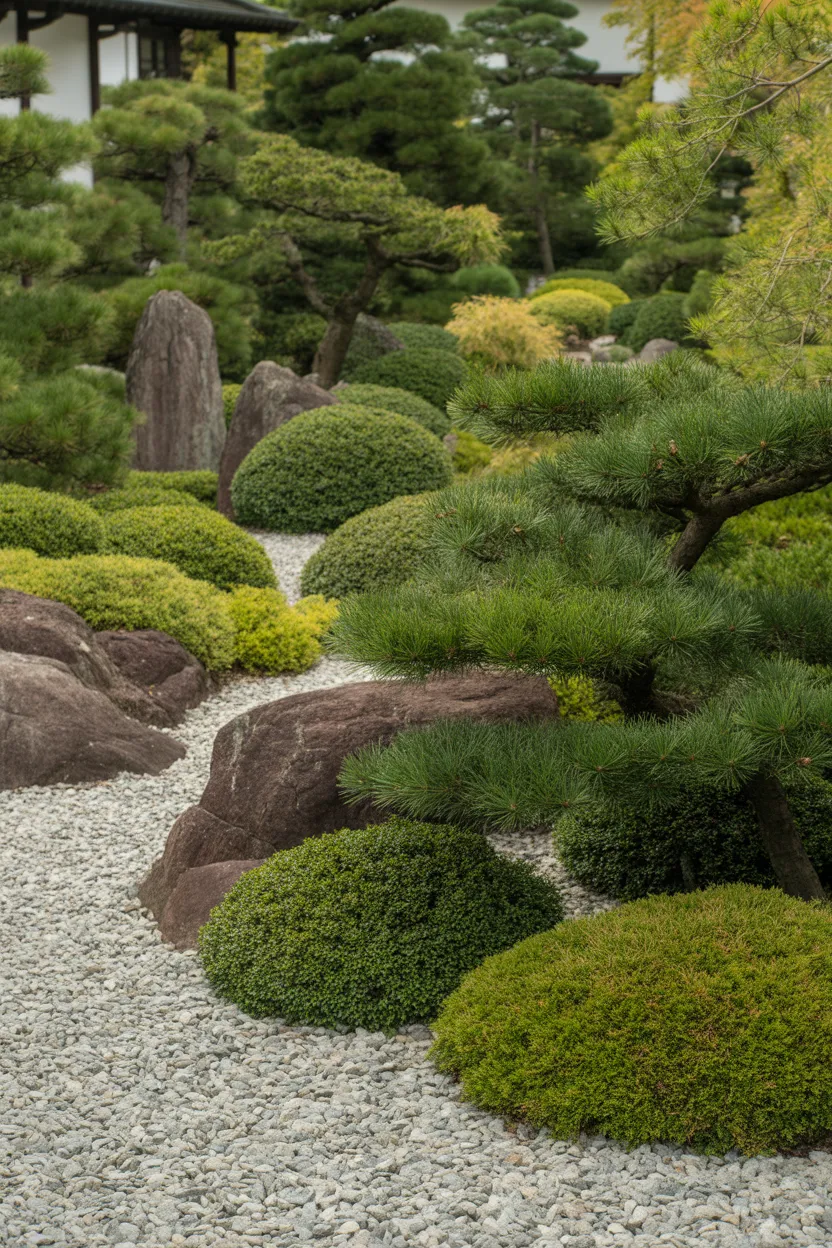
Every Japanese garden needs structure. Evergreen shrubs supply the architectural bones of the yard. They look identical in December as they do in July.
I hate landscaping that looks like a barren wasteland for half the year. You need a solid base of green to carry the yard through the harsh winter months.
Also Read: 24 Pool Gazebo Ideas 2026 for Shade and Relaxing Vibes
Black pines and dwarf conifers are heavy hitters in this category. They provide a dark backdrop that makes spring blooms pop.
Try buying five of the exact same shrub instead of picking out one of everything at the nursery. Repeating identical plants creates a much more soothing visual pattern.
14. Try Cloud Pruning for Sculptural Interest
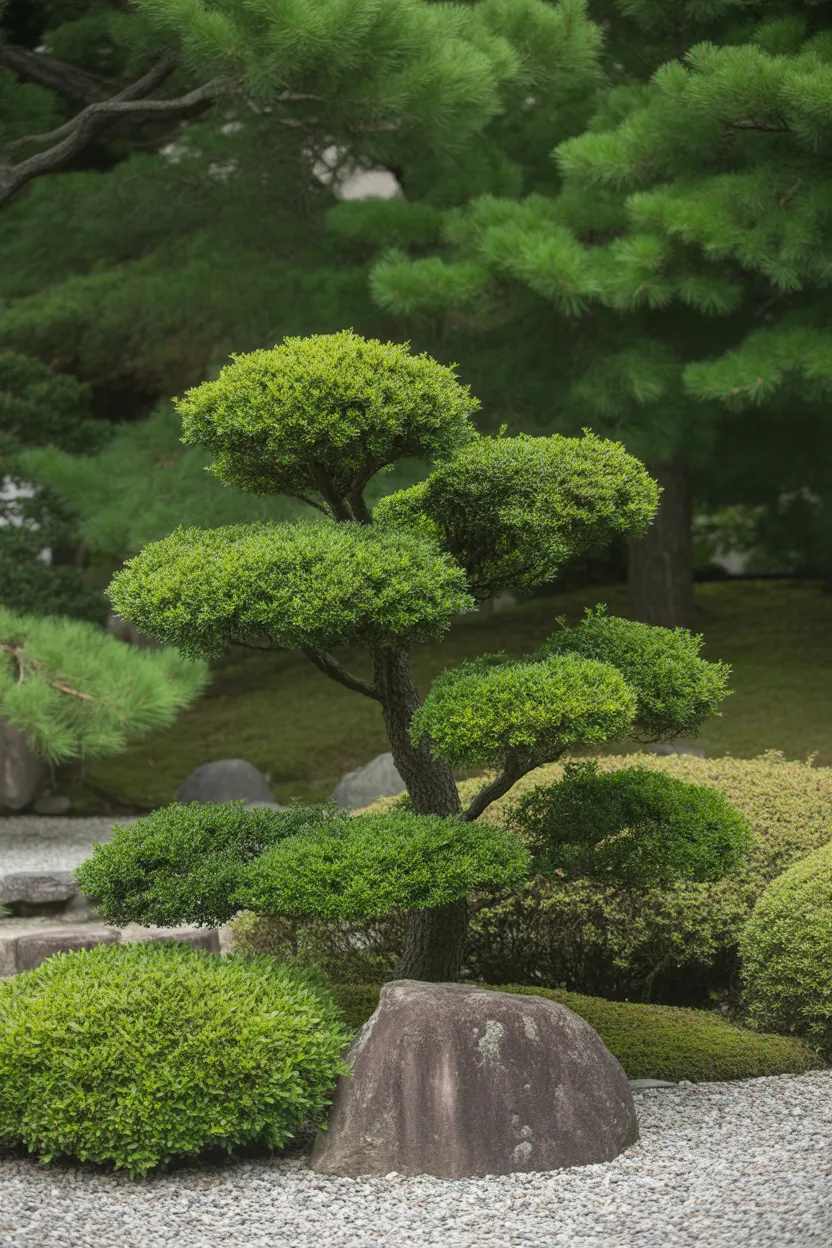
The art of cloud pruning involves clipping shrubs into floating rounded shapes. It turns a boring green bush into a living piece of modern art.
It requires a decent amount of patience. You can’t just take an electric hedge trimmer to a bush for five minutes and expect magic. The plant needs to be coaxed into shape over several growing seasons.
I love how these puffy organic spheres look against sharp rocks. It feels incredibly manicured but still deeply tied to nature.
Also Read: 23 Backyard Pool 2026 Ideas That Feel Like a Mini Resort
Good plants for cloud pruning include:
-
Dwarf junipers that already grow close to the ground
-
Standard boxwoods for tight dense circles
-
Yews that can handle heavy shaping
-
Japanese black pines for dramatic branching
Take your time with the clippers. You can always trim more off next month.
15. Bring in a Water Basin
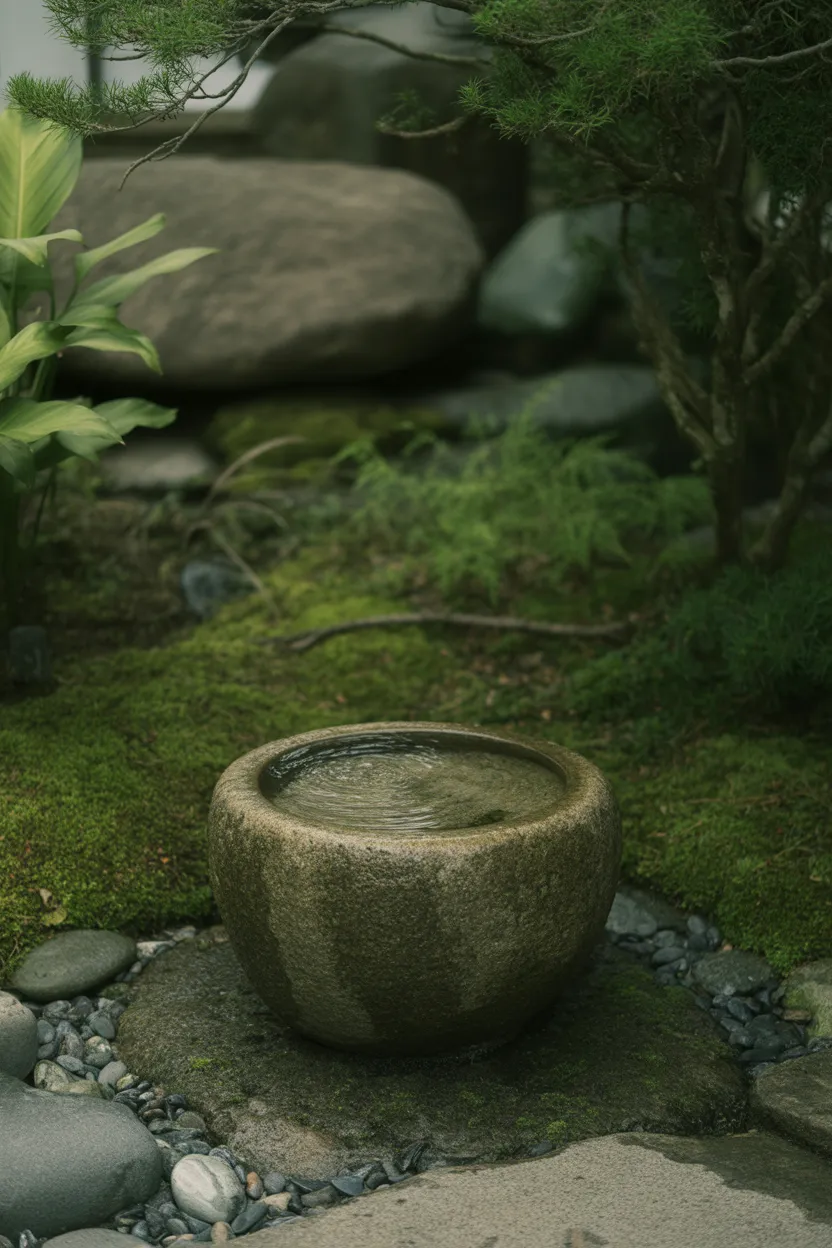
Installing a stone water basin adds a historic touch to the property. Historically used for washing hands before tea ceremonies, they now serve as beautiful architectural markers.
I love tucking these into quiet corners. Finding a basin hidden under a maple tree feels like uncovering a secret. The standing water reflects the sky and occasionally attracts a thirsty bird.
Place a bamboo dipper across the top for an authentic detail. A carved granite basin looks incredible when surrounded by a thick carpet of moss.
Don’t crowd it with flowers. Let the heavy stone speak for itself.
16. Keep the Color Palette Soft and Natural
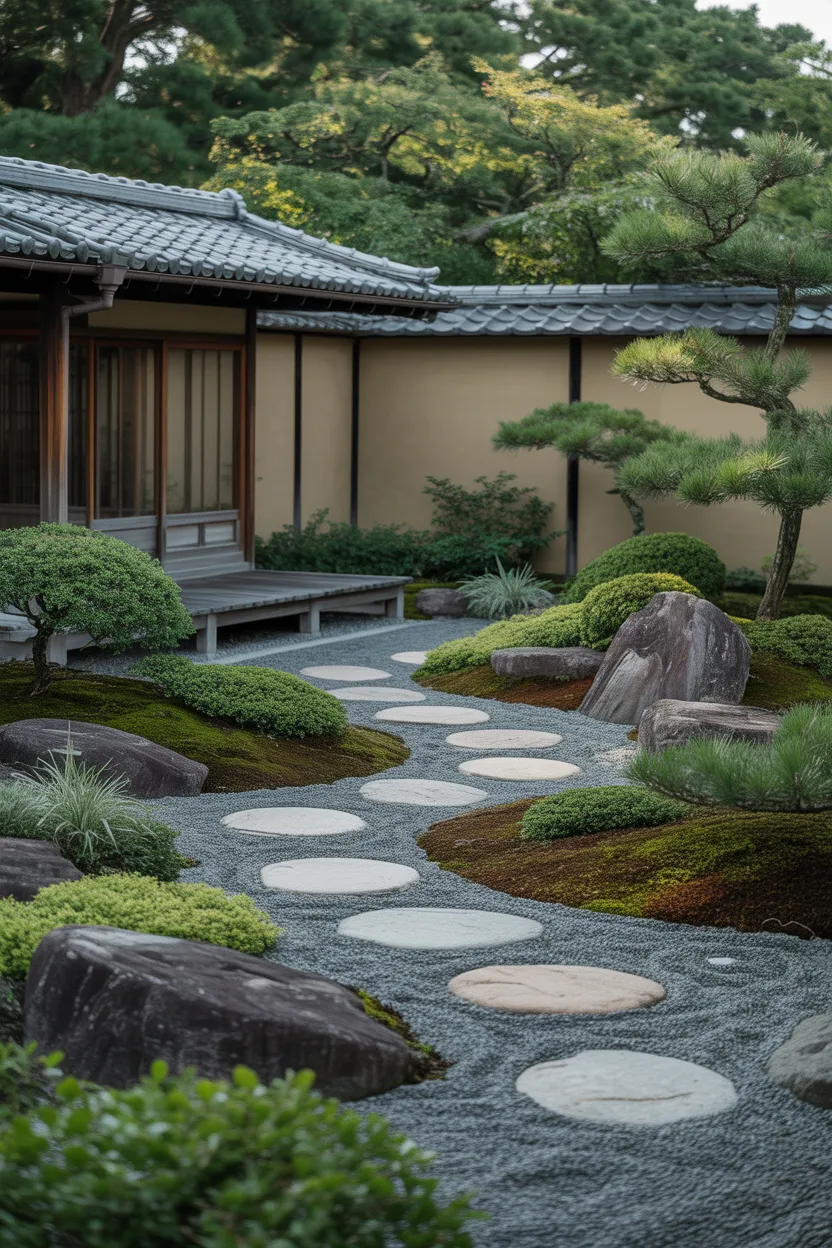
A controlled color palette heavily dictates the vibe of the yard. True Japanese landscaping relies on moody greens and deep grays. Earthy browns and fading reds take priority over neon pink flowerbeds.
You can completely destroy the serenity of a space with one hot pink patio umbrella. Loud colors agitate the brain. We want the exact opposite reaction here.
Restricting your color choices forces you to focus on texture instead. A fuzzy moss patch next to jagged slate becomes fascinating when you aren’t distracted by bright yellow daisies.
Also Read: 22 Gazebo Decorating Ideas 2026 for a Cozy Backyard
Stick to materials and colors like these:
-
Unstained cedar or teak wood
-
Charcoal gray stepping stones
-
Dark evergreen foliage
-
Tan or pale gray crushed gravel
-
Matte black ceramic planters
Muted tones always read as expensive and highly curated.
17. Add a Viewing Bench in the Right Spot
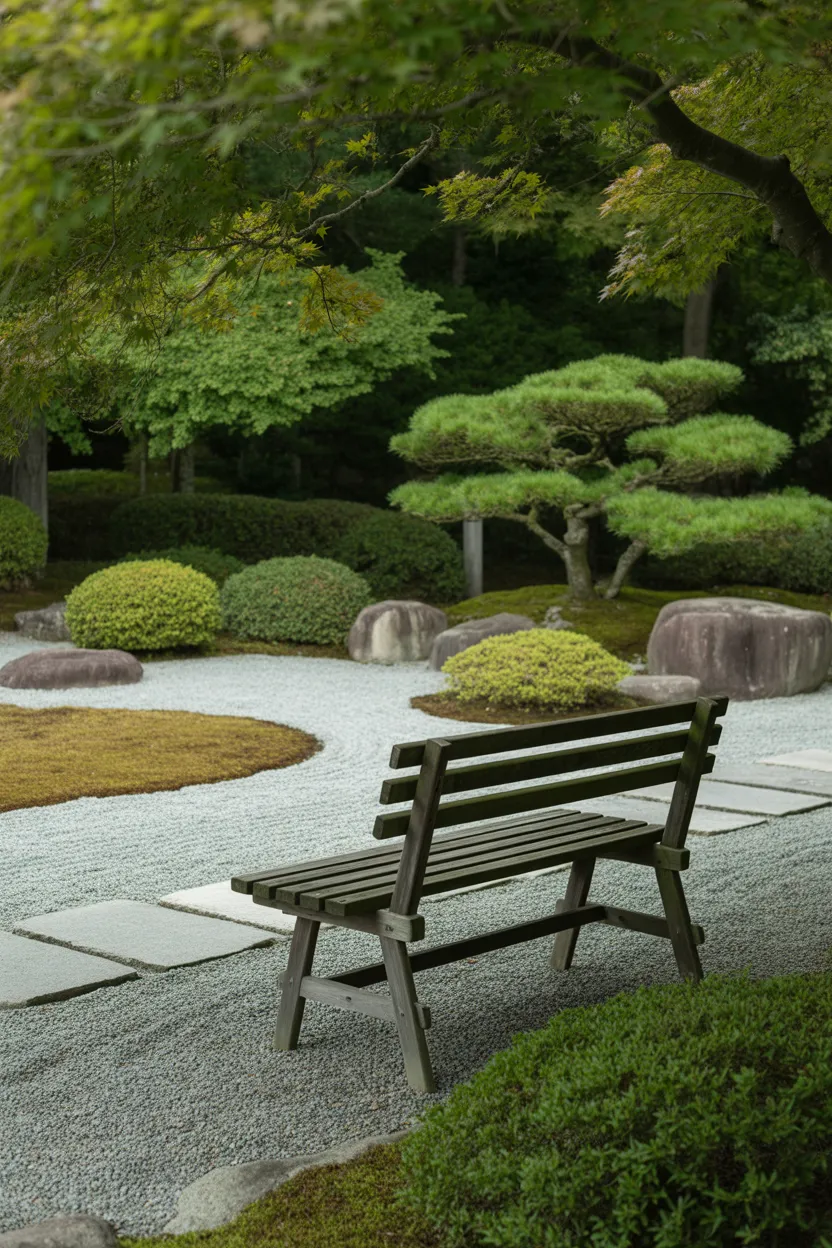
A proper viewing bench upgrades your yard from a painting into an interactive space. You need a dedicated spot to admire all the heavy lifting you just did.
Where you put the seat matters way more than what the seat looks like. Angle it directly toward your favorite pine tree or your new water basin. Pointing a bench at a blank wooden fence is a wasted opportunity.
Having a place to sit stops me from constantly pulling weeds. It forces my brain to switch from work mode to relaxation mode.
Pick a backless stone bench or a simple wooden slab. Elaborate cast iron park benches usually look way too fussy for this environment.
18. Layer Rocks Like Natural Sculpture
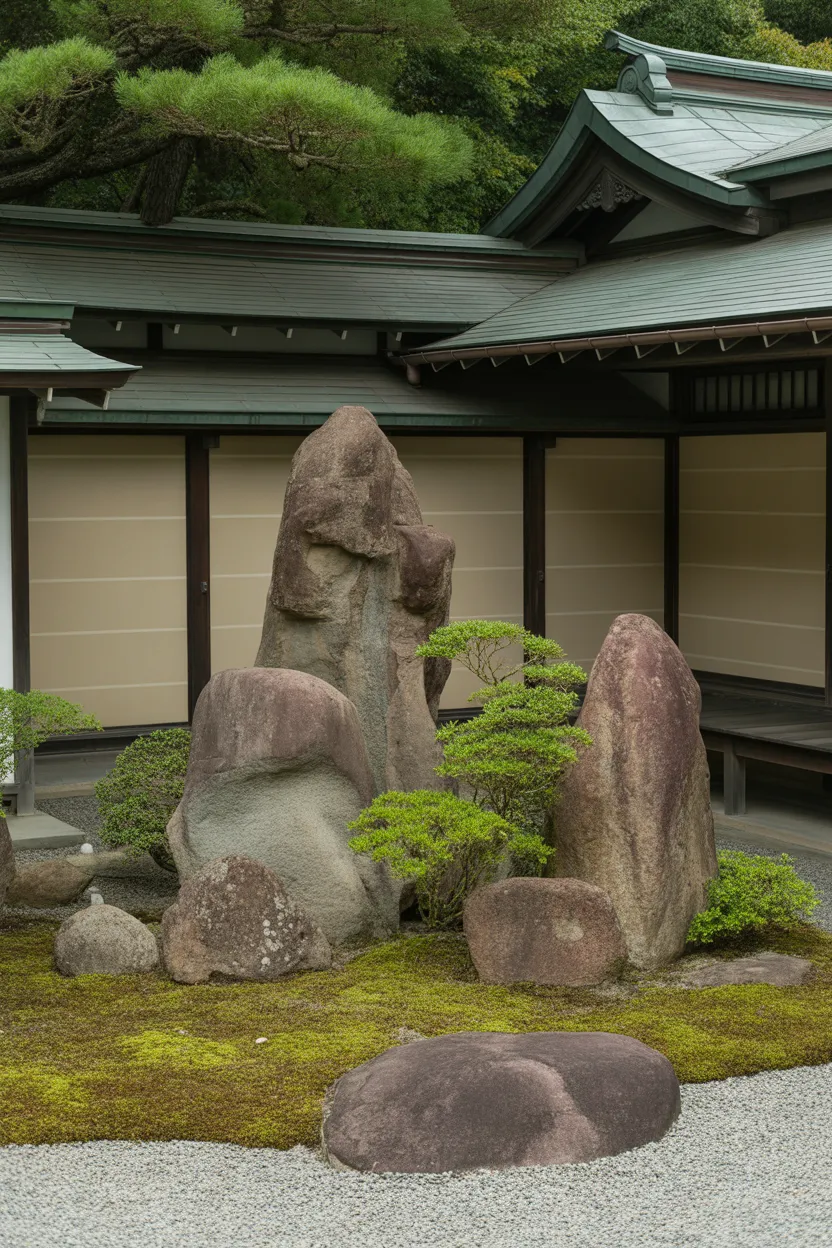
Heavy boulders act as the skeleton of the landscaping. They anchor the dirt and represent larger mountains or islands. Correct rock placement requires a decent amount of strategy.
Nailing the layout makes the yard feel ancient. Getting it wrong makes your lawn look like a messy construction site. Never just drop a rock directly on top of the grass.
You have to dig a hole and bury the bottom third of the stone. It needs to look like it erupted from the earth organically.
Also Read: 21 Outdoor Shower Ideas 2026 That Feel Like a Vacation
Keep these basics in mind:
-
Mix massive boulders with smaller accent stones
-
Bury the base of every rock in the dirt
-
Group them in odd numbers like clusters of three
-
Give the rock formations plenty of breathing room
Packing too many rocks together just looks like a gravel quarry.
19. Use a Gate to Create a Sense of Arrival
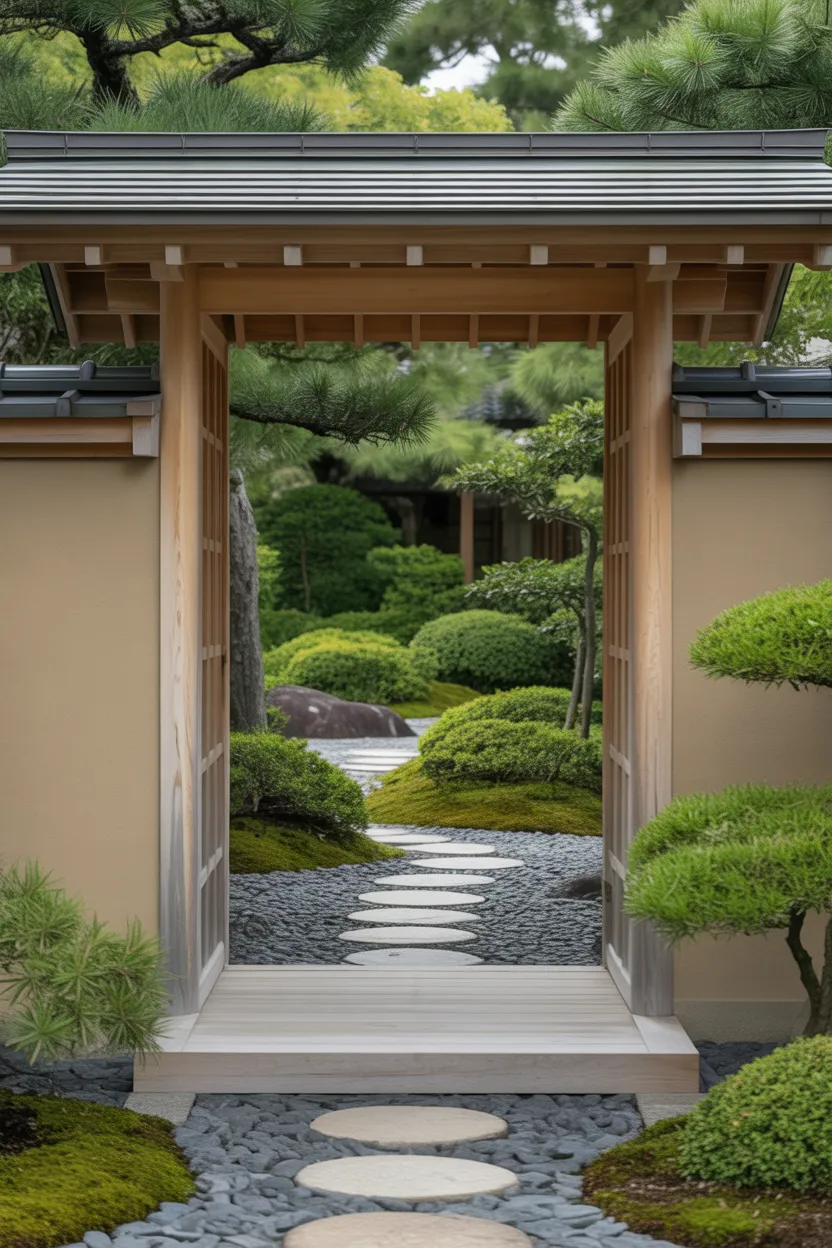
Pushing open a garden gate builds immediate anticipation. It marks a clear boundary between the chaotic outside world and your quiet sanctuary.
You can use a heavy cedar door or just a simple bamboo archway. The physical barrier forces you to mentally reset before stepping foot inside.
I love how a gate adds a sense of ceremony to a Tuesday afternoon. It elevates a basic backyard into a private destination.
Try planting a small creeping vine near the hinges. It softens the woodwork and makes the entryway feel like it has been there for a century.
20. Create a Mini Courtyard Japanese Garden
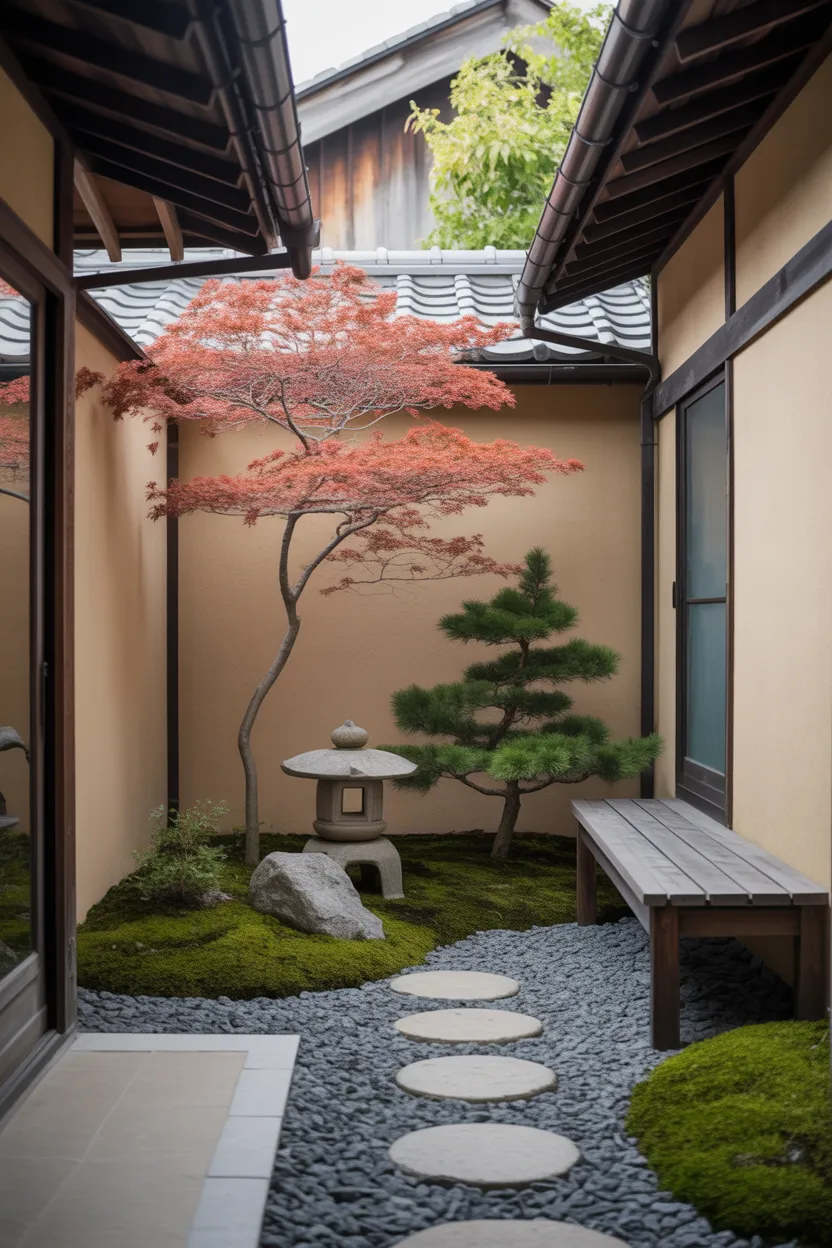
Designing a mini courtyard Japanese garden is entirely possible on a small townhome patio. Limited square footage actually works in your favor. It forces you to edit your choices down to the absolute essentials.
I honestly prefer these tiny setups. They feel incredibly intimate. You don’t have to worry about mowing a massive lawn. A few square feet of gravel and one gorgeous tree creates a massive impact.
You can transform a boring concrete pad into a peaceful retreat in a single weekend. Just keep the ingredients simple.
Try combining these features:
-
Plant a slow growing dwarf maple in a nice ceramic pot
-
Spread a layer of pale gravel across the floor
-
Position a single jagged rock in the corner
-
Hide the chain link fence with a bamboo screen
-
Place a backless wooden stool near the tree
Stop buying knickknacks. Let the negative space do the talking.
21. Mix Shade and Sun for Visual Depth
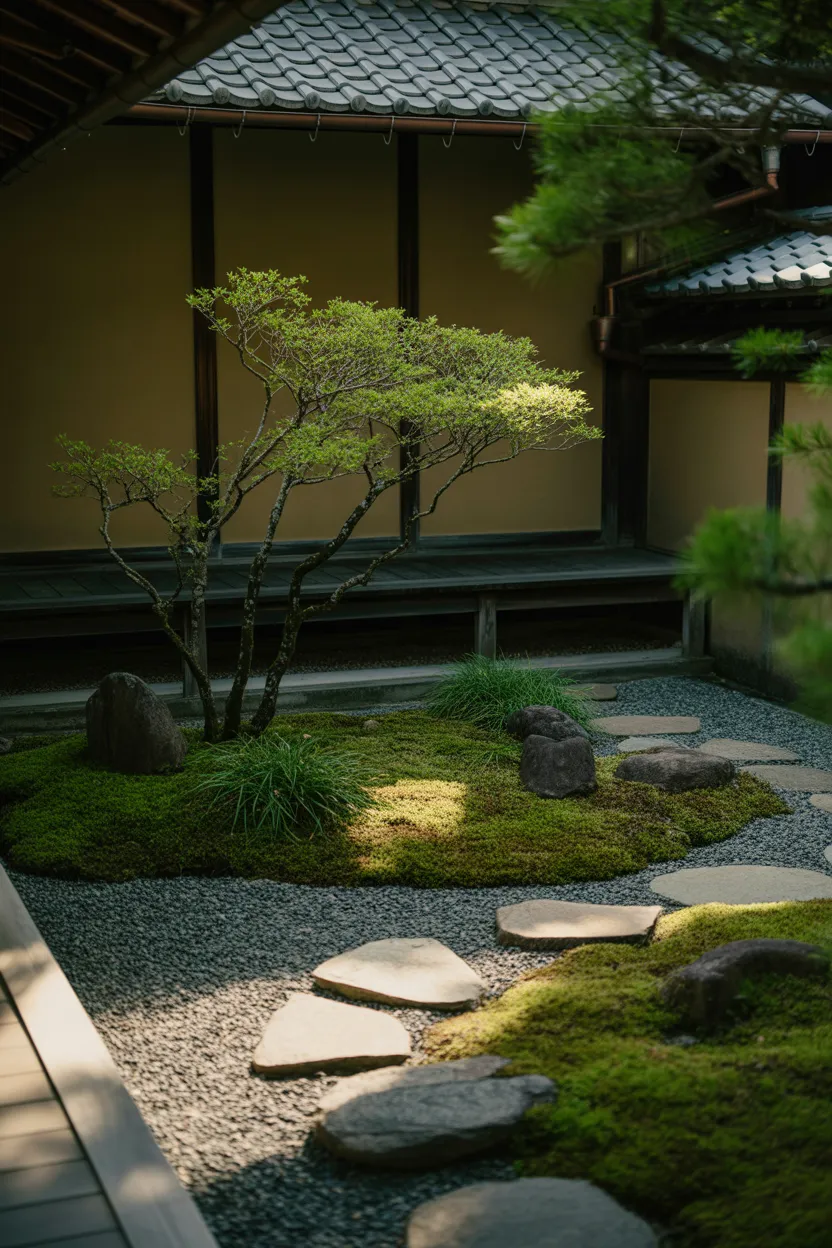
Playing with light and shadow is a free way to upgrade your landscaping. Bright sun hitting white gravel looks sharp and clean. Deep shade over a patch of moss feels cool and secretive.
The yard transforms as the sun moves across the sky. A maple leaf might look entirely different at sunset than it did at breakfast. This constant shifting prevents the design from ever feeling stale.
Completely flat unshaded backyards feel like a desert runway. You need trees and bamboo screens to cast long shadows. It creates pockets of mystery that make the yard feel twice as big.
Mix dense evergreen shrubs with open airy branches to manipulate where the light falls.
22. Embrace Empty Space
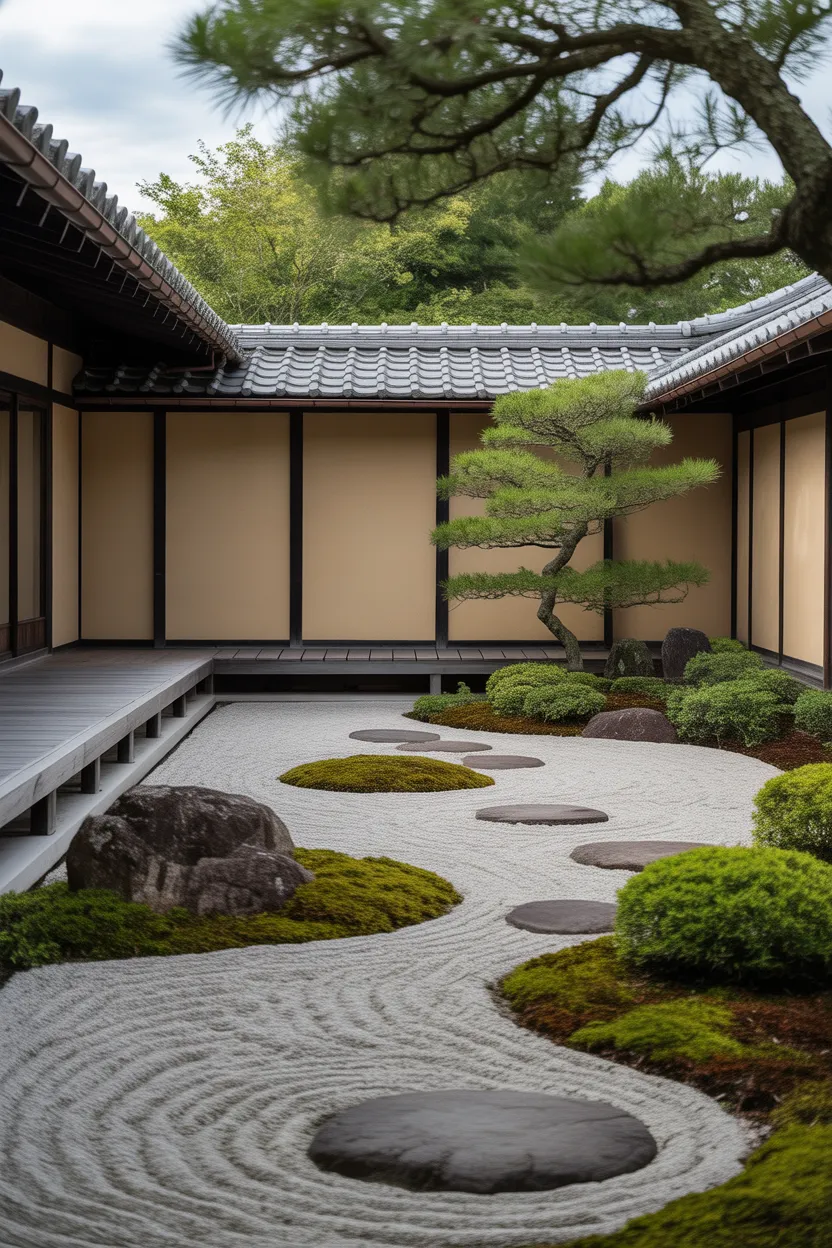
Do not skip this rule. You absolutely have to incorporate empty space. Your eyes need a place to rest. Giving a beautiful lantern five feet of breathing room makes it look important.
Cramming it next to ten other plants makes it look like a garage sale. I see people panic when they have a blank patch of dirt. They rush to buy ground cover or extra stepping stones. Leaving it empty is an active design choice. It is called negative space.
I have to physically stop myself from buying impulse plants at the nursery. Sometimes doing nothing is the best landscaping move you can make.
Ask yourself these questions:
-
Will planting this extra shrub make the yard feel chaotic?
-
Are my pathways getting too narrow to walk through?
-
Could I remove three small pots and replace them with one large boulder?
-
Is my eye immediately drawn to a specific focal point?
If the yard feels messy, start subtracting things instead of adding them.
How to Make Japanese Garden Ideas Work in a Modern Yard
You might think this aesthetic only works for ancient Kyoto temples. But these principles translate beautifully to modern suburban homes. It all comes down to clean lines, natural materials, and controlled planting.
Contemporary architecture already loves concrete, wood, and minimalist greenery. You are just softening those hard modern edges with a bit of organic texture. Both styles hate clutter. Both styles love negative space.
Merging them together creates a very sleek, high-end look.
Here are a few easy ways to keep the look current in 2026:
-
Buy sleek patio chairs instead of chunky traditional ones
-
Limit your hardscaping to just cedar and concrete
-
Plant structural evergreens instead of messy wildflowers
-
Hide the garden hoses and plastic storage bins
-
Let a single water basin steal all the attention
The final result feels incredibly current without losing that necessary dose of zen.
Common Mistakes to Avoid
Restraint is difficult. Making a yard look effortless takes a surprising amount of effort. The fastest way to ruin this aesthetic is by turning your yard into a souvenir shop.
You do not need a bridge, a pagoda, a buddha statue, and a koi pond all squeezed into a tiny patio. Pick one hero piece. Let the rest of the yard support it.
I also see people buying highly polished river rocks. Super shiny materials look fake. You want materials that look like they have been sitting in the rain for forty years.
Try to avoid these issues:
-
Buying cheap plastic lanterns from big box stores
-
Planting identical shrubs in perfectly straight lines
-
Shoving ferns into every available inch of dirt
-
Using neon blue glass beads in the fountain
-
Laying down glossy manufactured tiles
-
Refusing to leave any patches of empty gravel
Edit your yard ruthlessly. If a rock doesn’t serve a purpose, take it out.
Final Thoughts
You don’t need to hire an expensive landscape architect to pull this off. Success comes down to balance, restraint, texture, and thoughtful placement. Start with one tiny corner of your patio.
Buy a bag of crushed gravel and a nice Japanese maple. Drag a chair outside. See how that small pocket of peace makes you feel. We spend all day staring at screens and rushing through traffic.
Having a quiet spot to decompress isn’t a luxury anymore. It is a mental health necessity. Take your time building the space out. Let the process itself be relaxing.

1 Comment