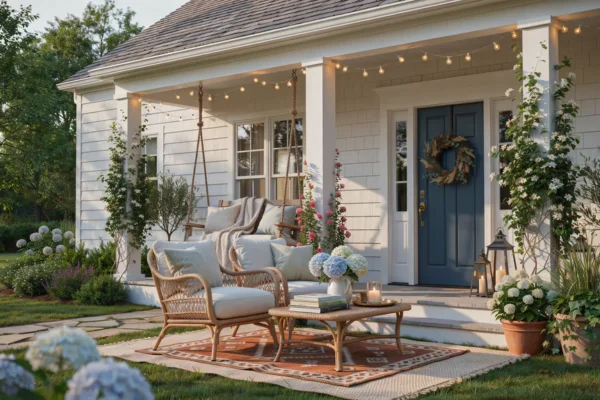

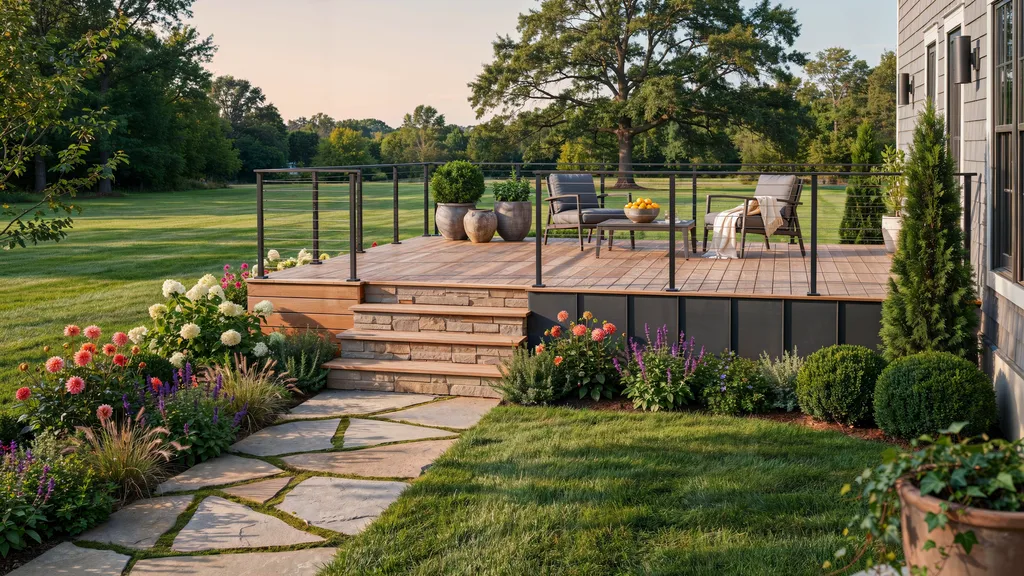
The best under deck skirting ideas can take an unfinished space and turn it into an area you actually want to show off. I stared at the ugly gap under my own deck for two long summers before finally doing something about it. Now I honestly cannot believe I waited so long. The right skirting goes beyond just hiding the mess underneath. It anchors the entire backyard. It makes the whole house look finished and intentional.
1. Classic Horizontal Wood Slats
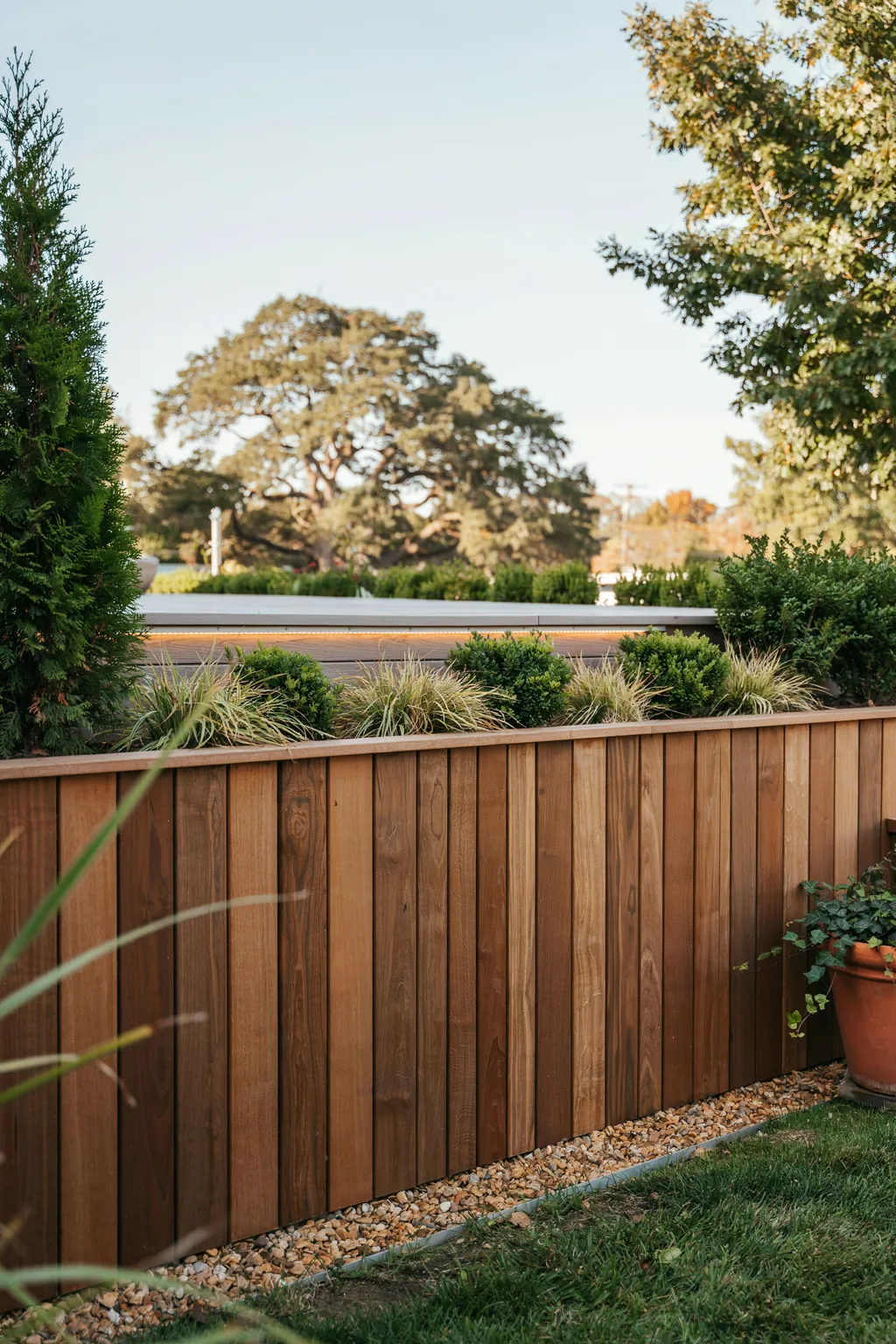
Horizontal cedar or pine boards installed with small gaps give any deck a clean look. They age beautifully over time. Those tiny gaps are actually crucial because they let air circulate underneath the deck. This keeps moisture from building up and rotting your expensive wooden posts. I used basic 1×4 cedar from my local lumber yard. After staining the wood in a warm walnut tone, the whole structure looked like it had always been part of the house.
2. Vertical Board and Batten
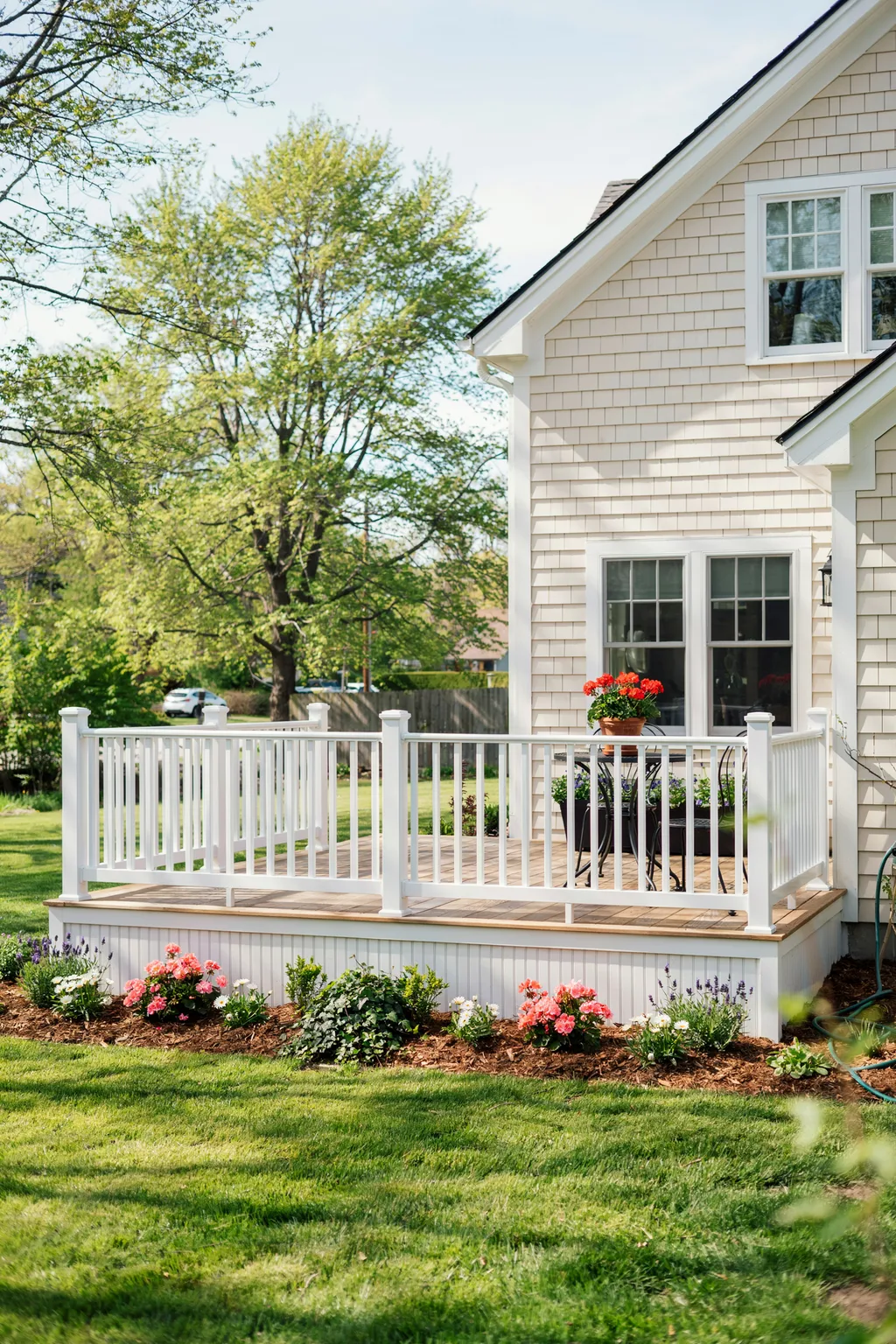
Vertical boards with narrow battens covering the seams create a charming cottage finish. It feels custom rather than cobbled together. This particular style works exceptionally well on raised decks where the skirting needs to span a massive vertical drop. The battens also give you a highly forgiving way to hide any imperfect cuts you might make. I recommend painting it a crisp white to match the trim on your house. The final result looks incredibly architectural.
3. Lattice Panels with a Frame
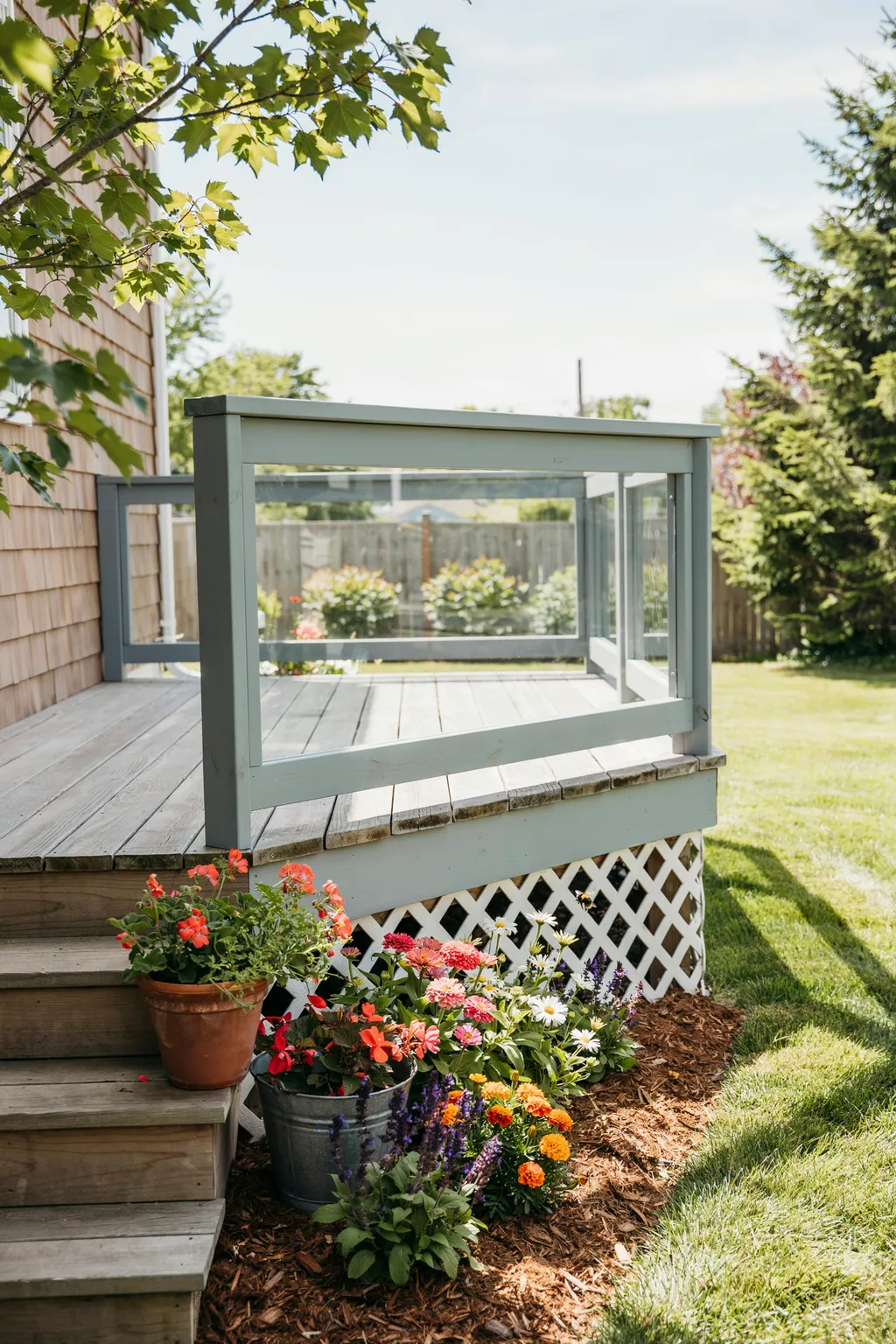
Lattice remains incredibly popular for under deck skirting. It costs very little and goes up in a single afternoon. The real secret is framing each panel with pressure-treated 2x4s. If you skip the framing, it just looks flimsy and cheap. You should also choose a vinyl lattice over real wood. Vinyl survives brutal freeze and thaw cycles much better than traditional lumber. Khaki colored panels read as remarkably tidy from a distance.
4. Horizontal Metal Panels
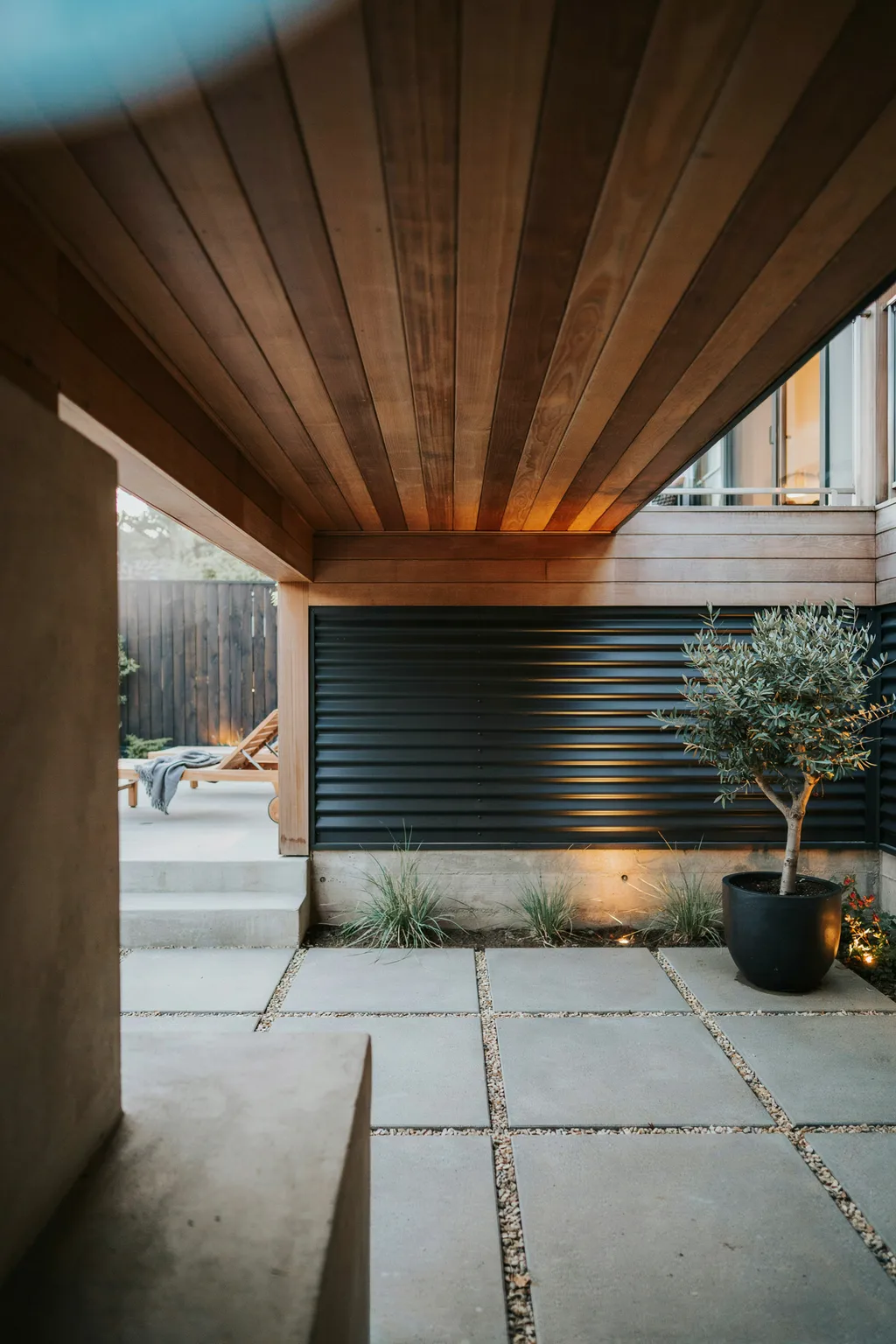
Corrugated metal skirting is having a serious moment right now. Once you see it done correctly, you will completely understand the appeal. This material pairs naturally with dark stained wood and modern farmhouse exteriors. You should use galvanized steel for better rust resistance. Alternatively, powder-coated black panels offer a much sharper finish. The ribbed texture provides visual interest without fighting the rest of your landscaping design.
5. Stone Veneer Panels
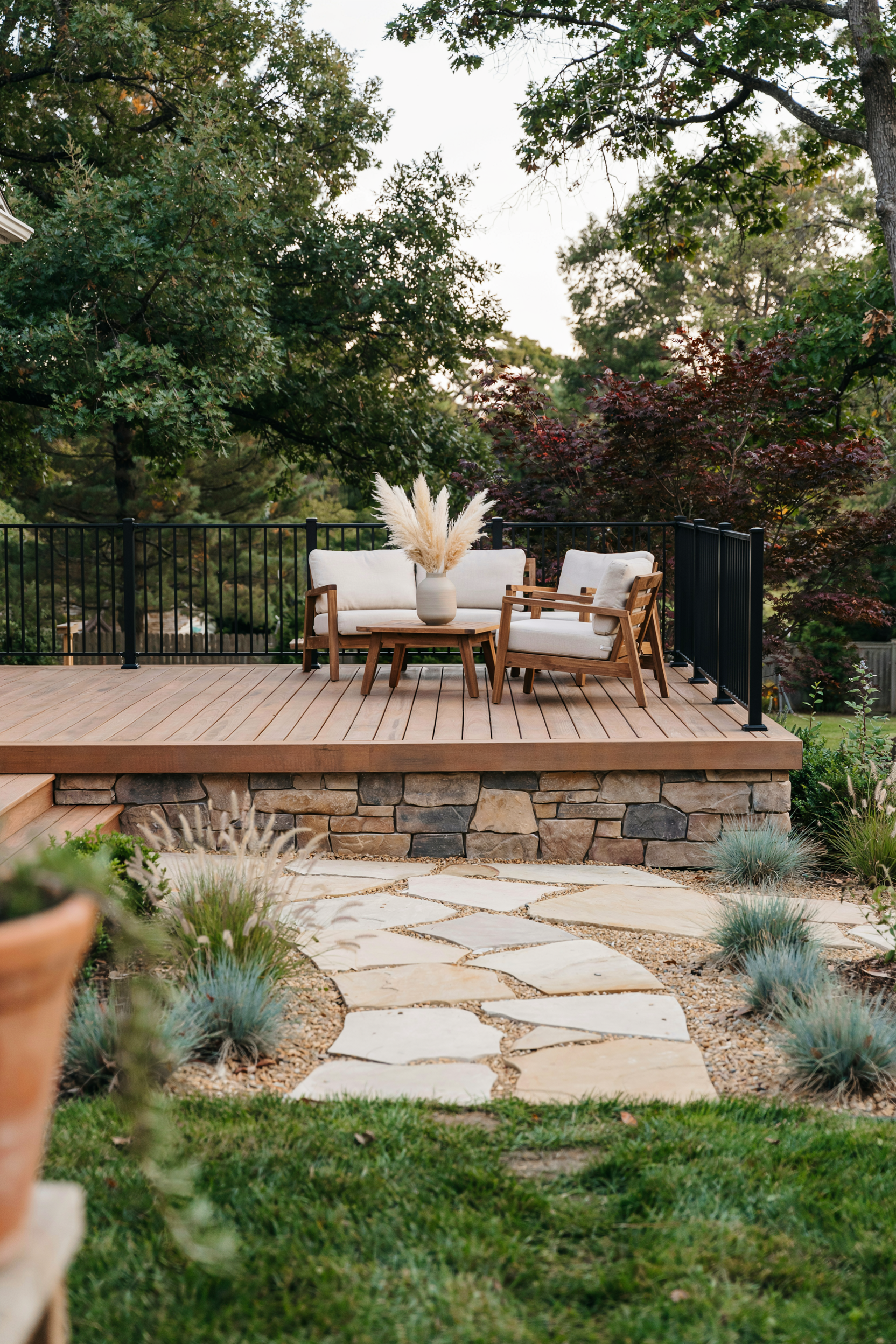
Stone veneer makes the entire deck feel permanent. Manufactured panels attach directly to a wooden frame. From any normal distance, they look remarkably close to actual stacked stone. You want to pick a color that echoes the existing foundation of your home. This prevents the deck from looking disconnected. Installing these heavy panels requires a lot of sweat equity. The final appearance easily pays off the hard work.
6. Painted Concrete Block
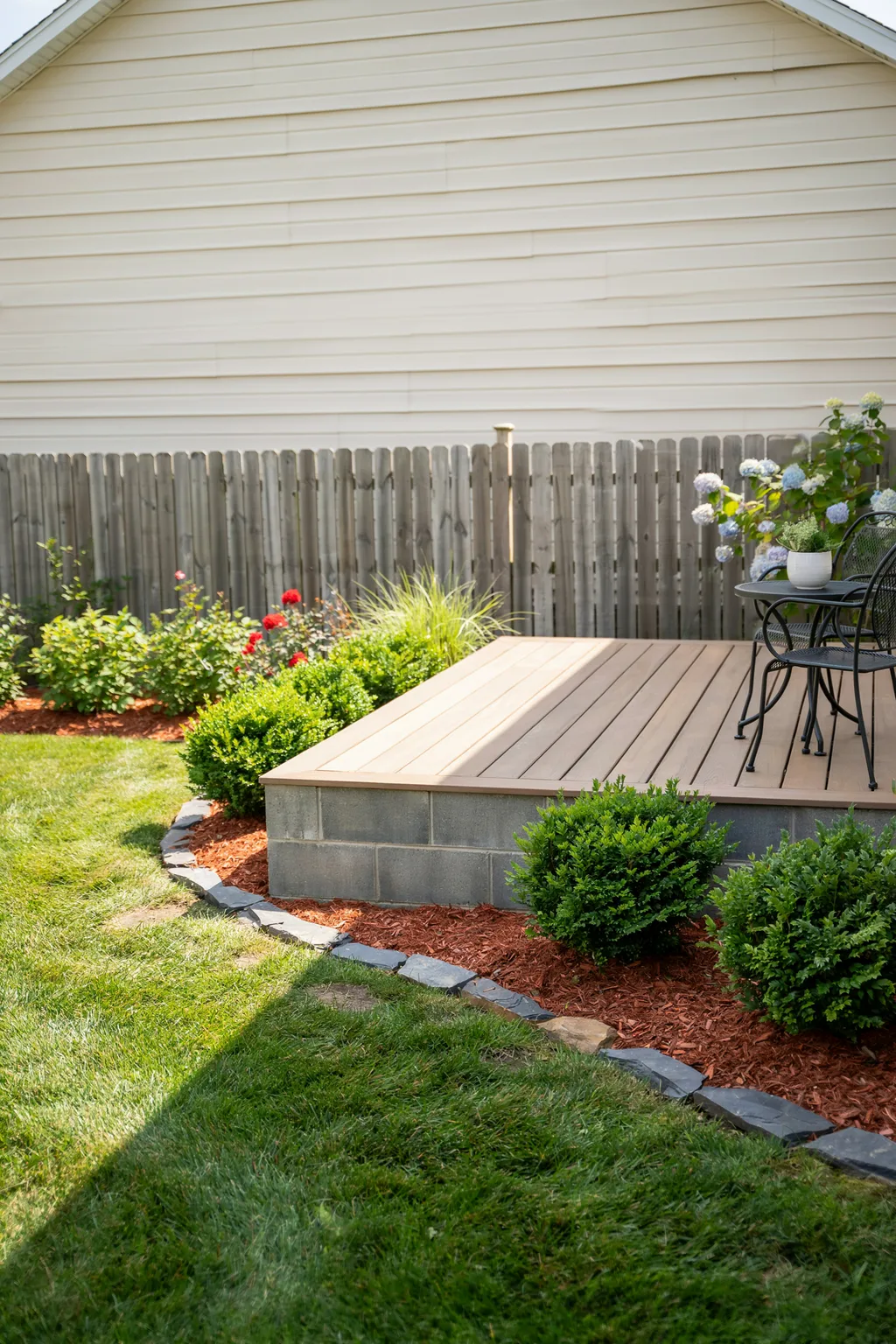
Concrete block skirting works beautifully for low decks. It offers an incredibly durable barrier against critters and weather. You just stack standard cinder blocks and secure them with mortar. Finish the job with a thick coat of masonry exterior paint in a shade that matches your home. The concept sounds basic because it truly is. That raw simplicity is exactly what makes the foundation look rock solid. You will need some serious muscle for this project.
7. Horizontal Composite Decking Boards
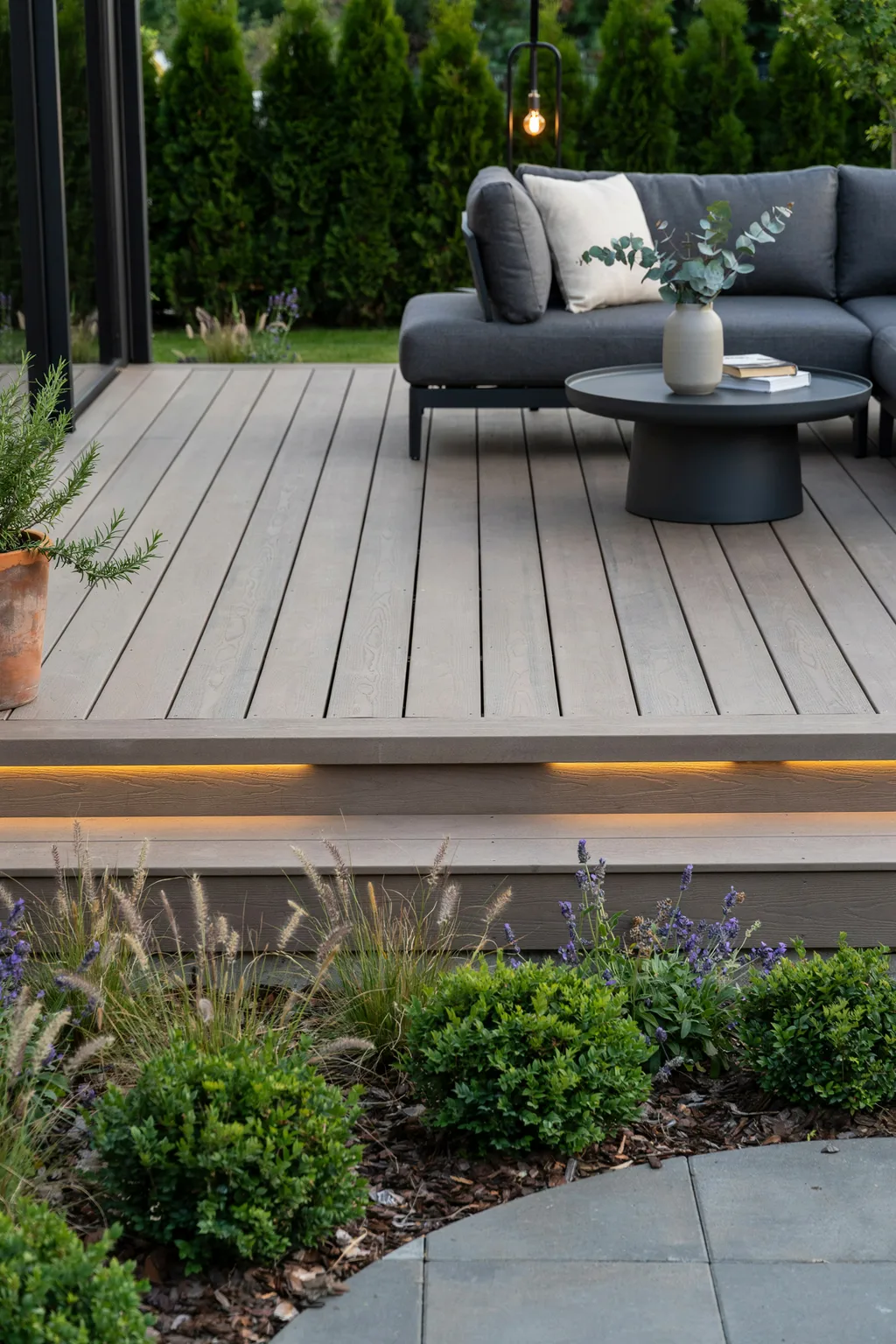
Using the exact same composite material from your deck surface for the skirting creates a highly unified design. Major brands like Trex or TimberTech sell fascia boards specifically for this kind of application. You get a completely perfect color match. No other skirting option can actually pull that off. Try installing them horizontally with small gaps between each board. This mimics traditional wood slats while allowing proper ventilation.
Also Read: 22 Above Ground Pool Ideas With Deck for Your Backyard
8. Tongue-and-Groove Shiplap
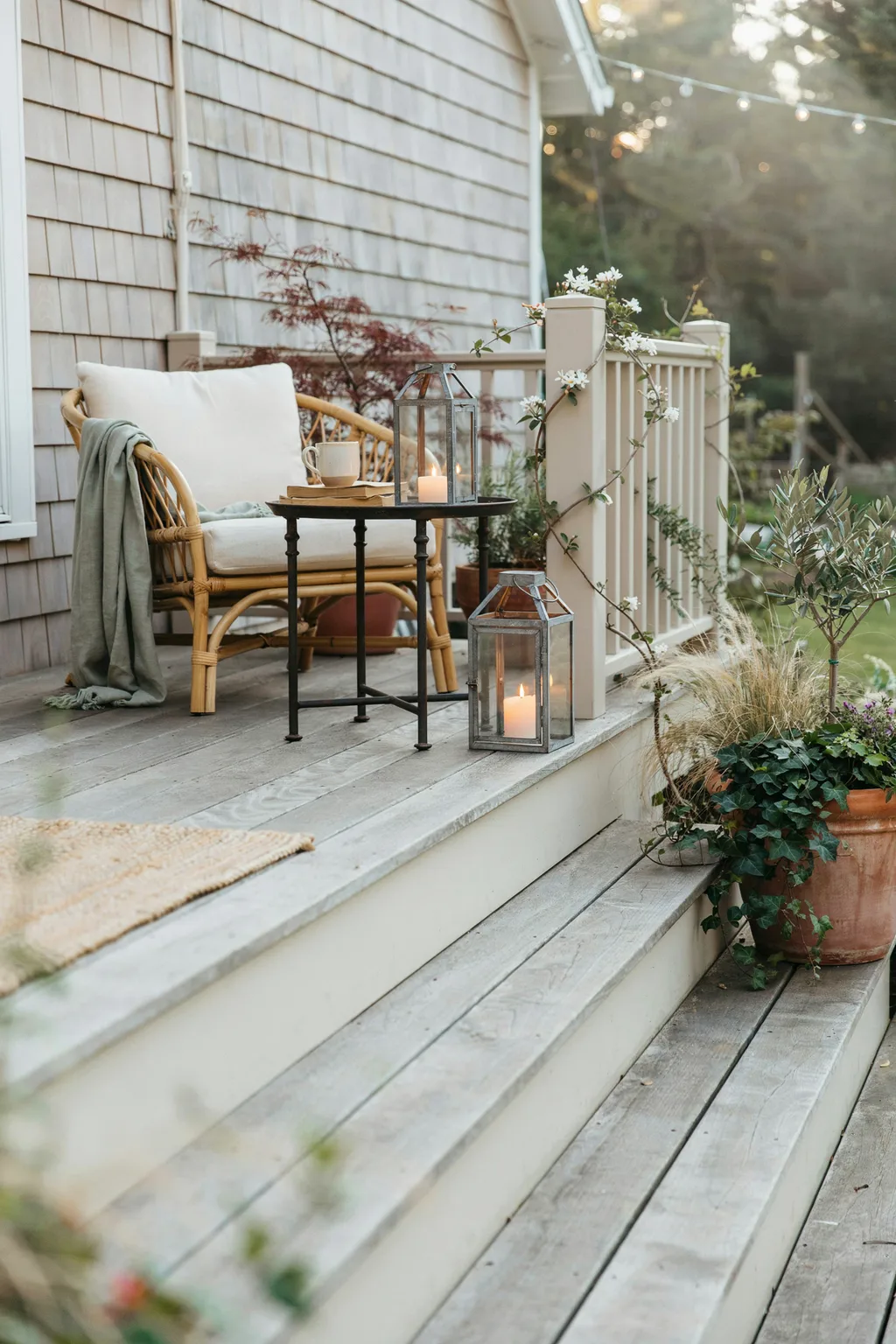
Shiplap skirting heavily leans into the modern farmhouse aesthetic. It manages to do this without looking overly trendy. Each board features an overlapping profile that completely hides the gaps underneath. This reads as much more finished than basic spaced slats. You can prime and paint the wood to perfectly match your exterior trim. Another option is leaving it bare and adding a clear sealer for a casual beach house vibe. It always looks incredibly clean on camera.
9. Wrought Iron or Steel Panels
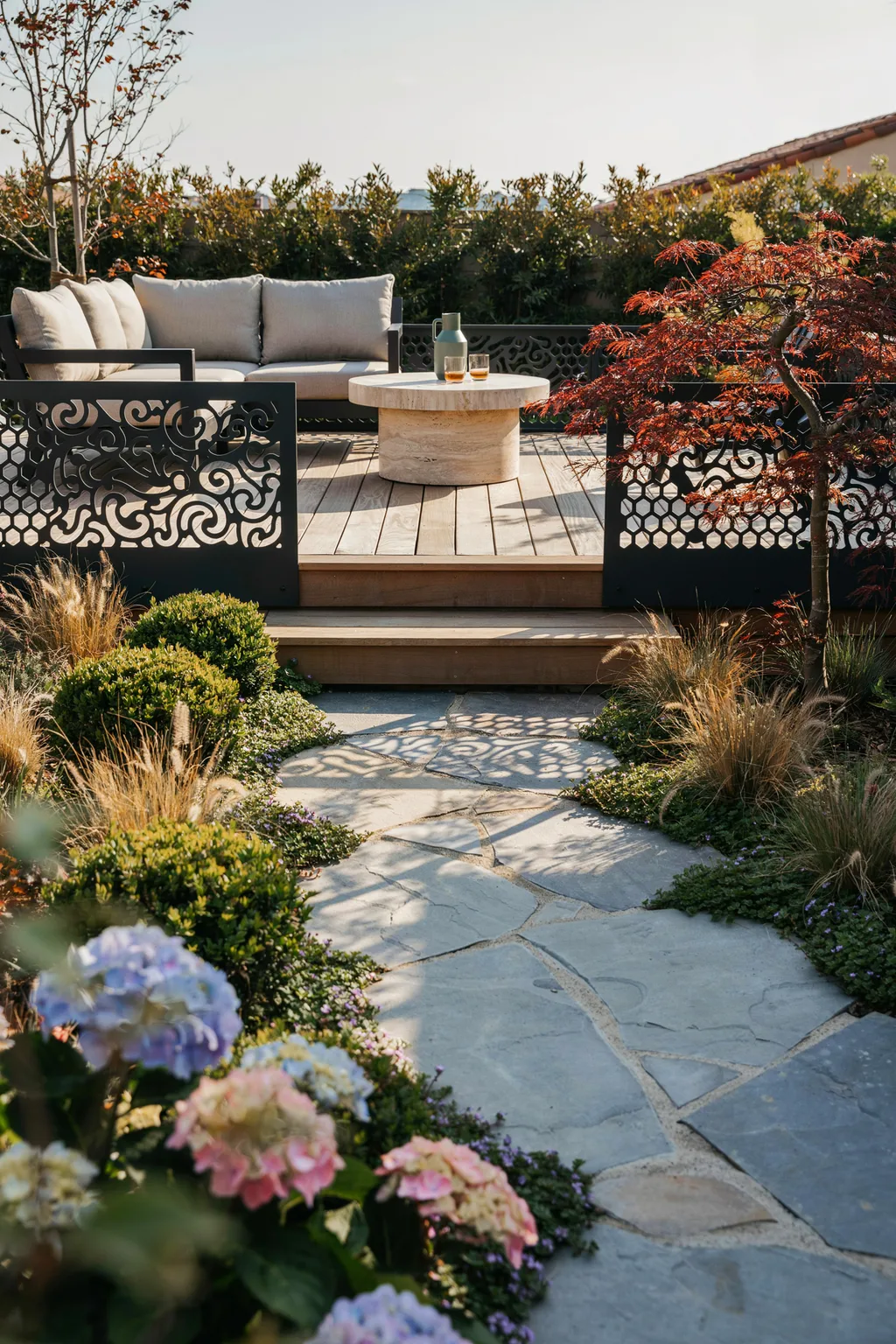
Decorative wrought iron panels make a massive statement under any deck. You will rarely see other houses with this level of detail. Local metal fabricators usually sell these custom pieces. You can find patterns ranging from basic geometric shapes to highly ornate scrollwork. They certainly cost a pretty penny. To keep your budget somewhat manageable, try using them only near the staircase while putting plain panels in the background. The final aesthetic looks incredibly expensive.
10. Horizontal PVC Trim Boards
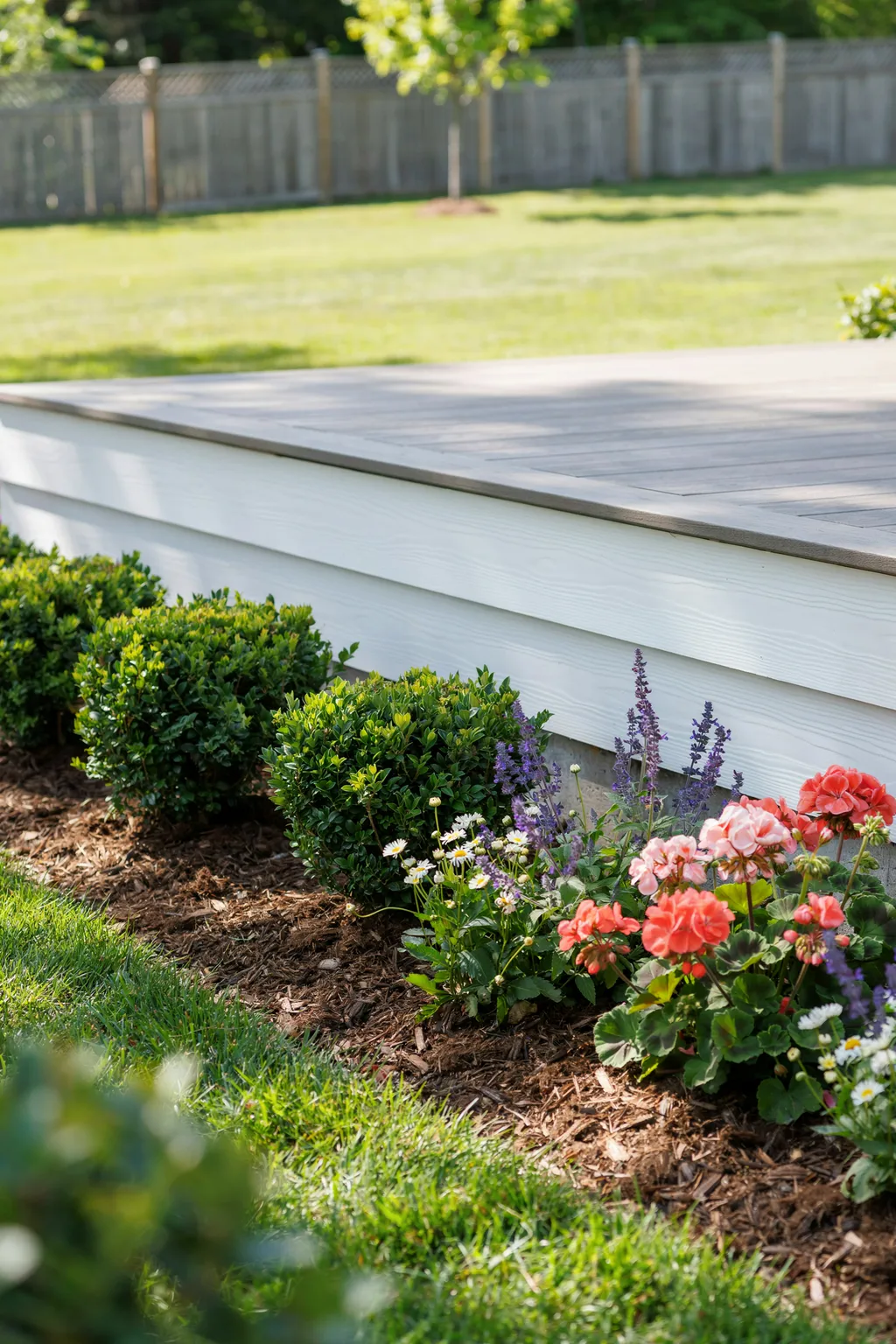
PVC trim boards remain a quietly brilliant skirting idea. Serious renovators keep coming back to this specific material for a good reason. The plastic composite refuses to rot. It also takes exterior paint incredibly well. I suggest installing them horizontally with consistent gap spacing to mimic real wood. They survive endless wet seasons without any warping. The boards weigh almost nothing. You can easily cut and install them by yourself while crawling in the dirt.
Also Read: 20 Deck Decorating Ideas for a Stylish Outdoor Space
11. Woven Bamboo Panels
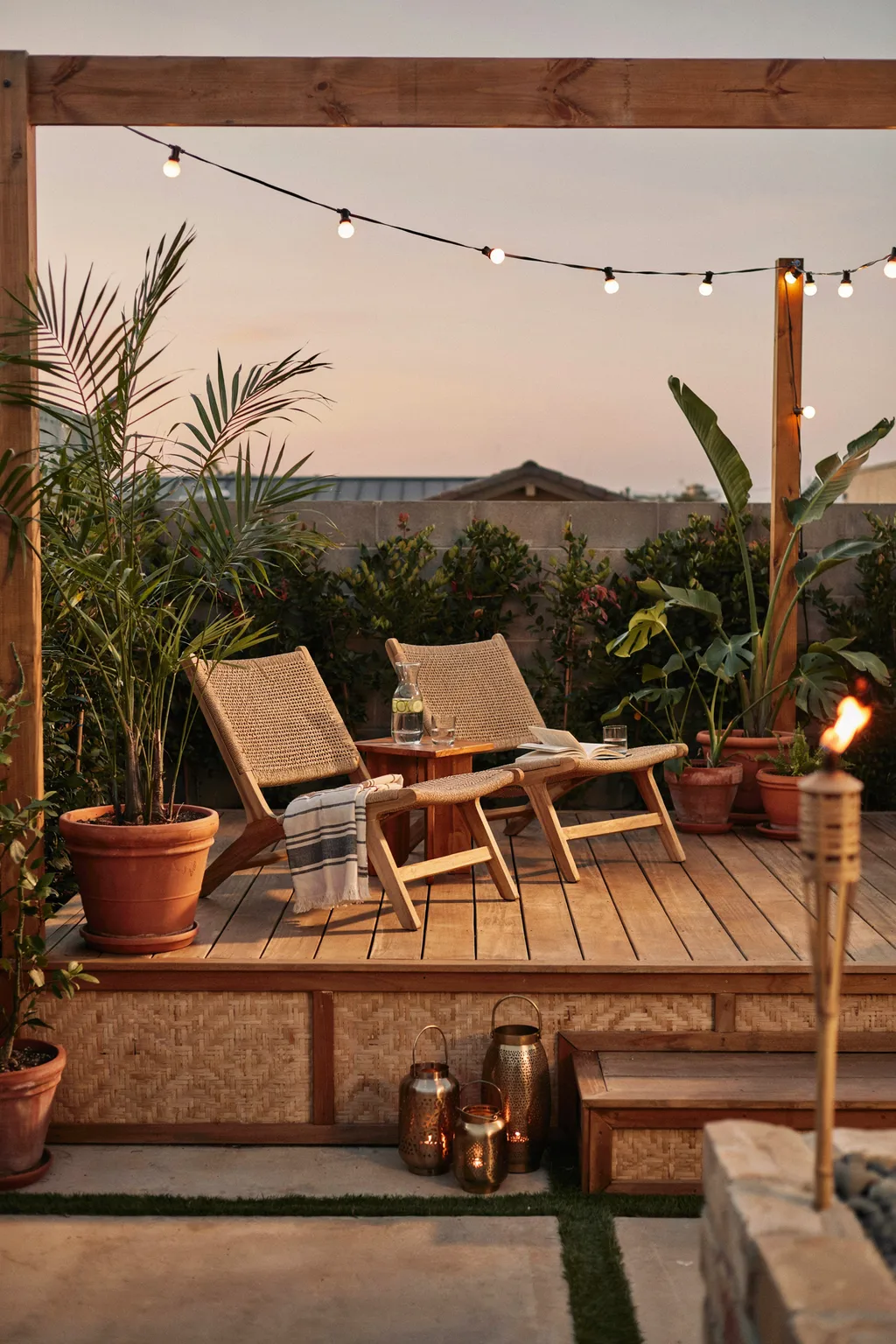
Bamboo panels bring a relaxed resort vibe straight to your backyard. They feel tropical without looking the slightest bit tacky. You need to build a sturdy frame for them. Sealing the cut ends is also absolutely required to stop moisture absorption. Untreated bamboo hates sitting in damp soil. The organic texture stands out from standard lumber in the best way possible. Pair this skirting with warm string lights. I honestly think people drastically underuse this material.
12. Clapboard Siding to Match the House
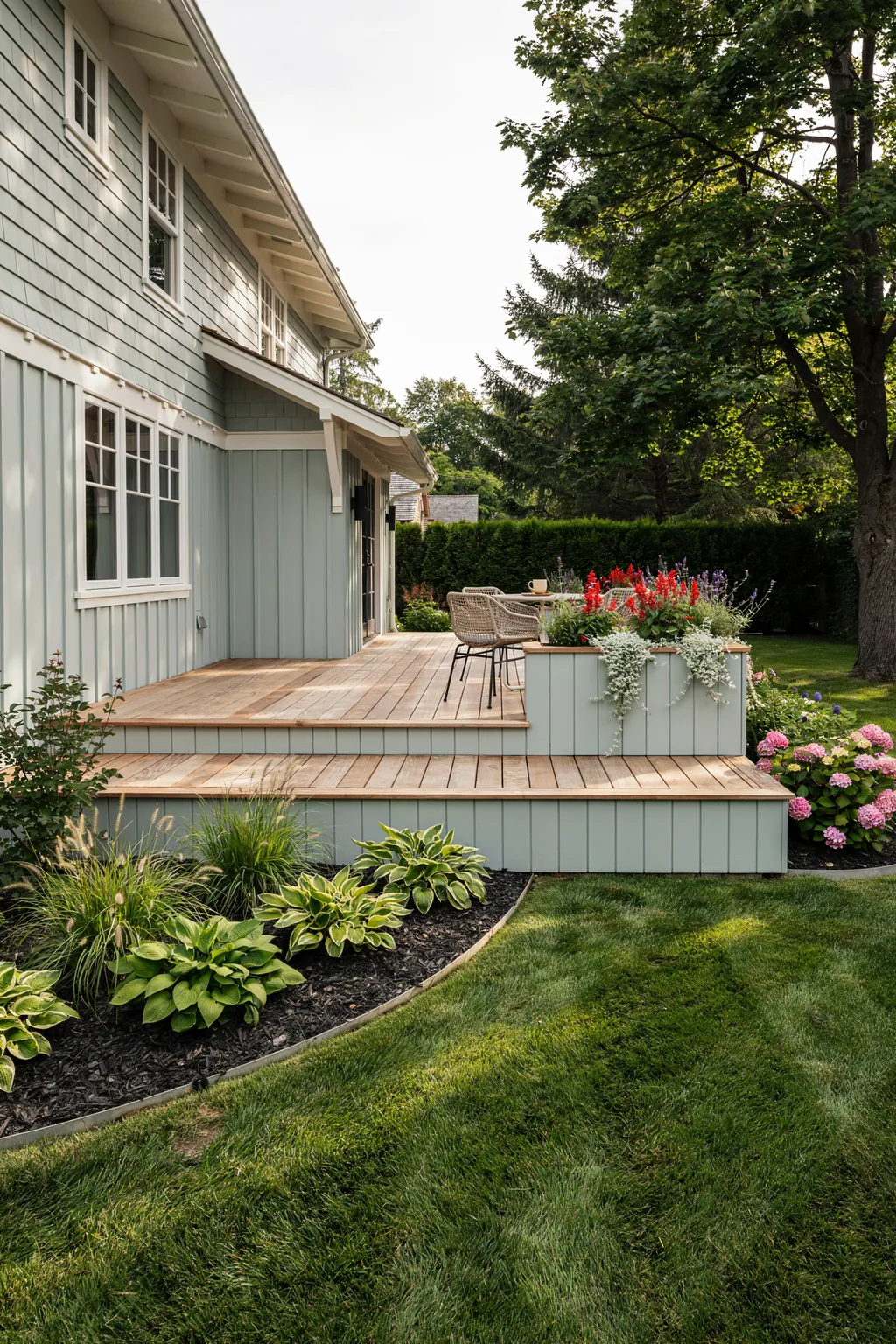
Installing regular clapboard siding under a deck is a smart design trick. It forces the whole structure to look like an original part of the house footprint. You just need to match the specific color and board profile of your existing exterior walls. This sounds like an incredibly obvious tip. Yet I see people constantly pick contrasting materials. Then they wonder why their new deck looks like a cheap afterthought. Visual consistency matters deeply in exterior design.
13. Horizontal Fence Boards
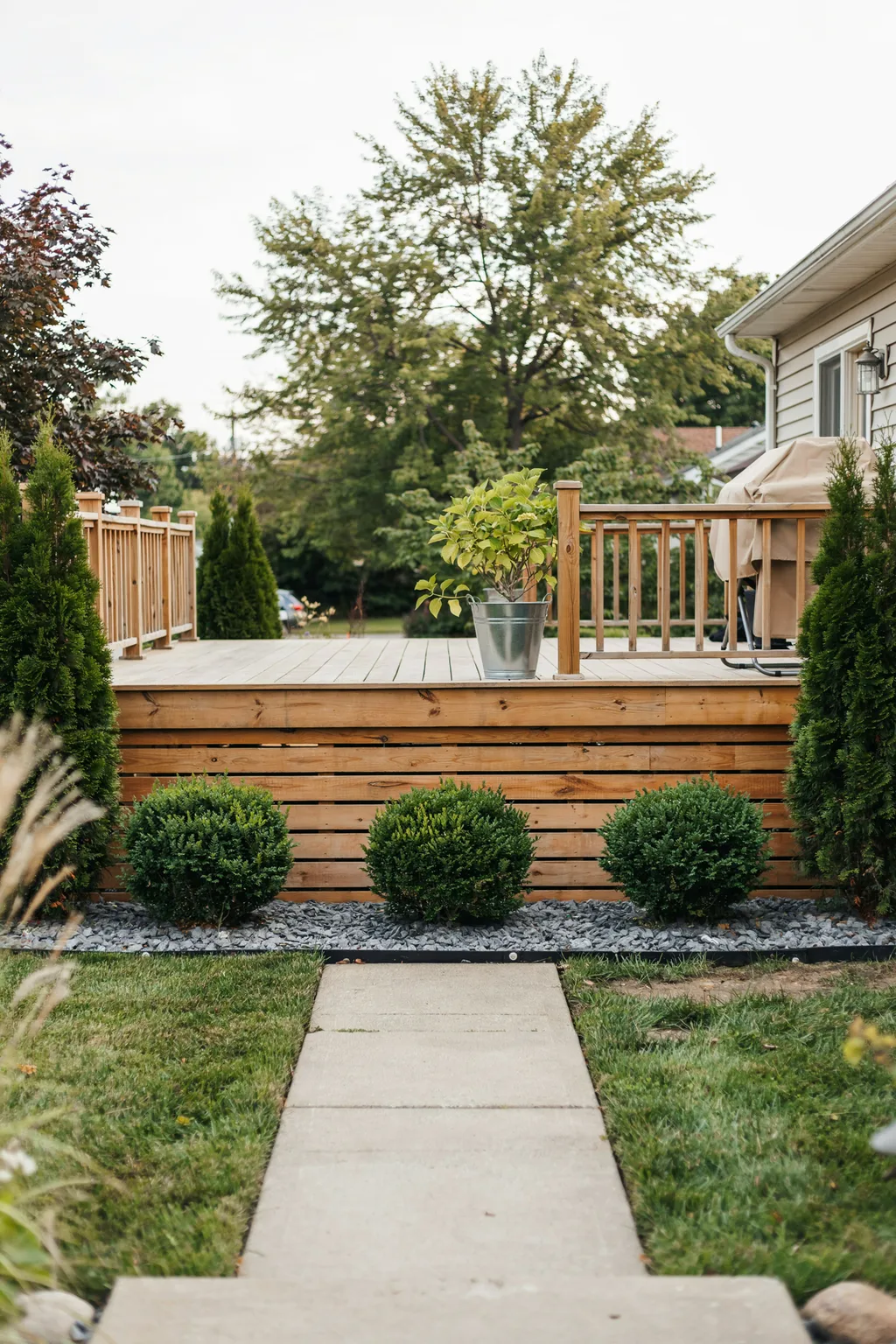
Standard privacy fence boards make surprisingly good deck skirting. This is the absolute best route if you are working with a tight budget. You can find them at any hardware store. The cheap pine holds up decently to the elements once properly sealed. Try spacing them with a quarter-inch gap between every board. This provides crucial ventilation for the dirt below. A quick coat of dark semi-transparent stain elevates the cheap lumber almost instantly.
Also Read: 24 Summer Decorating Ideas to Brighten Every Room
14. Brick Veneer Panels
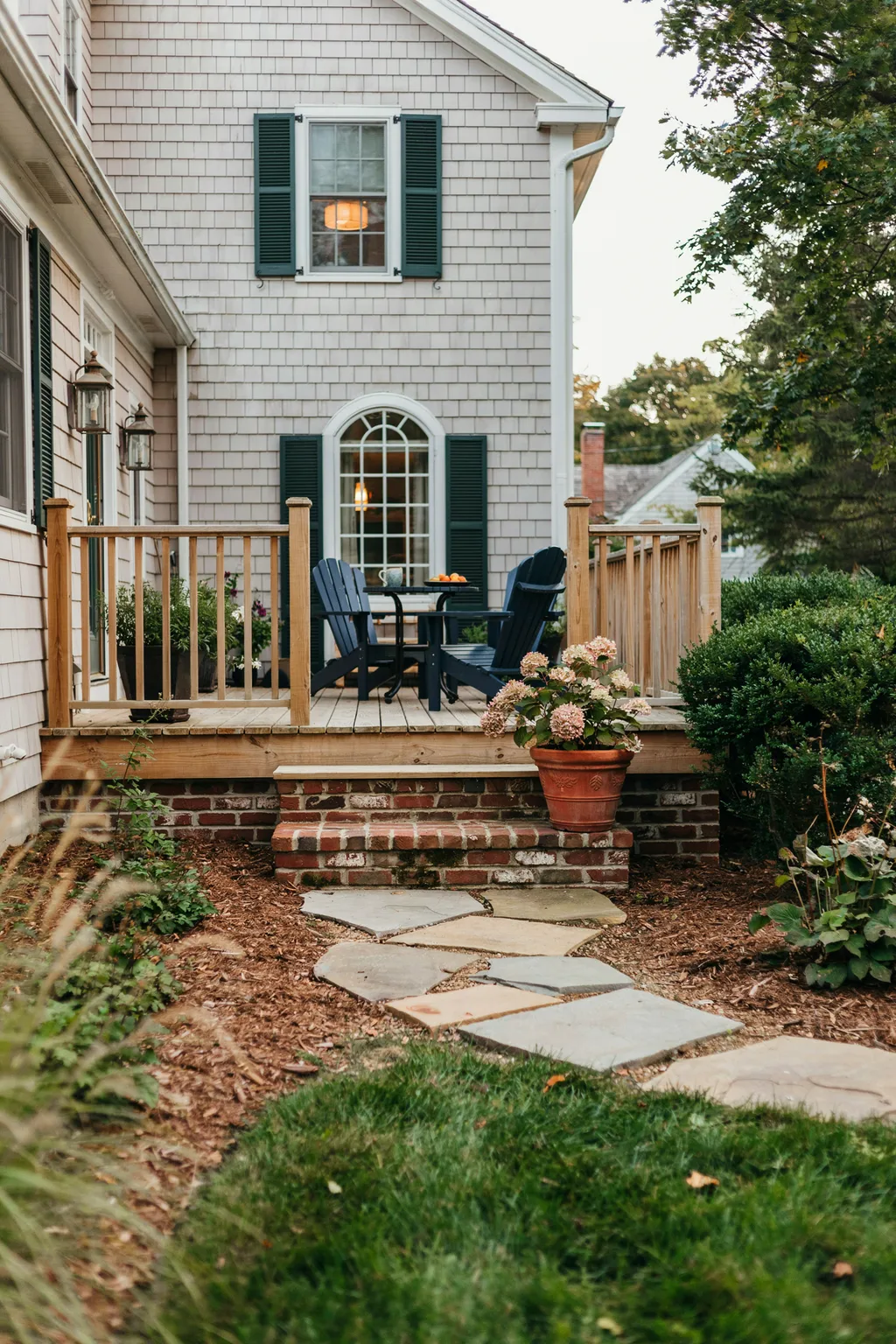
Brick veneer skirting shines on older homes. It works best if you already have some exposed brick somewhere on the main property. These faux panels weigh significantly less than traditional masonry. You simply attach them to a basic plywood backer board using heavy-duty construction adhesive. I highly recommend picking a weathered brick style. Anything too shiny just looks fake. After you fill the mortar lines properly, nobody will know you cheated the masonry process.
15. Painted Plywood with Trim Detail
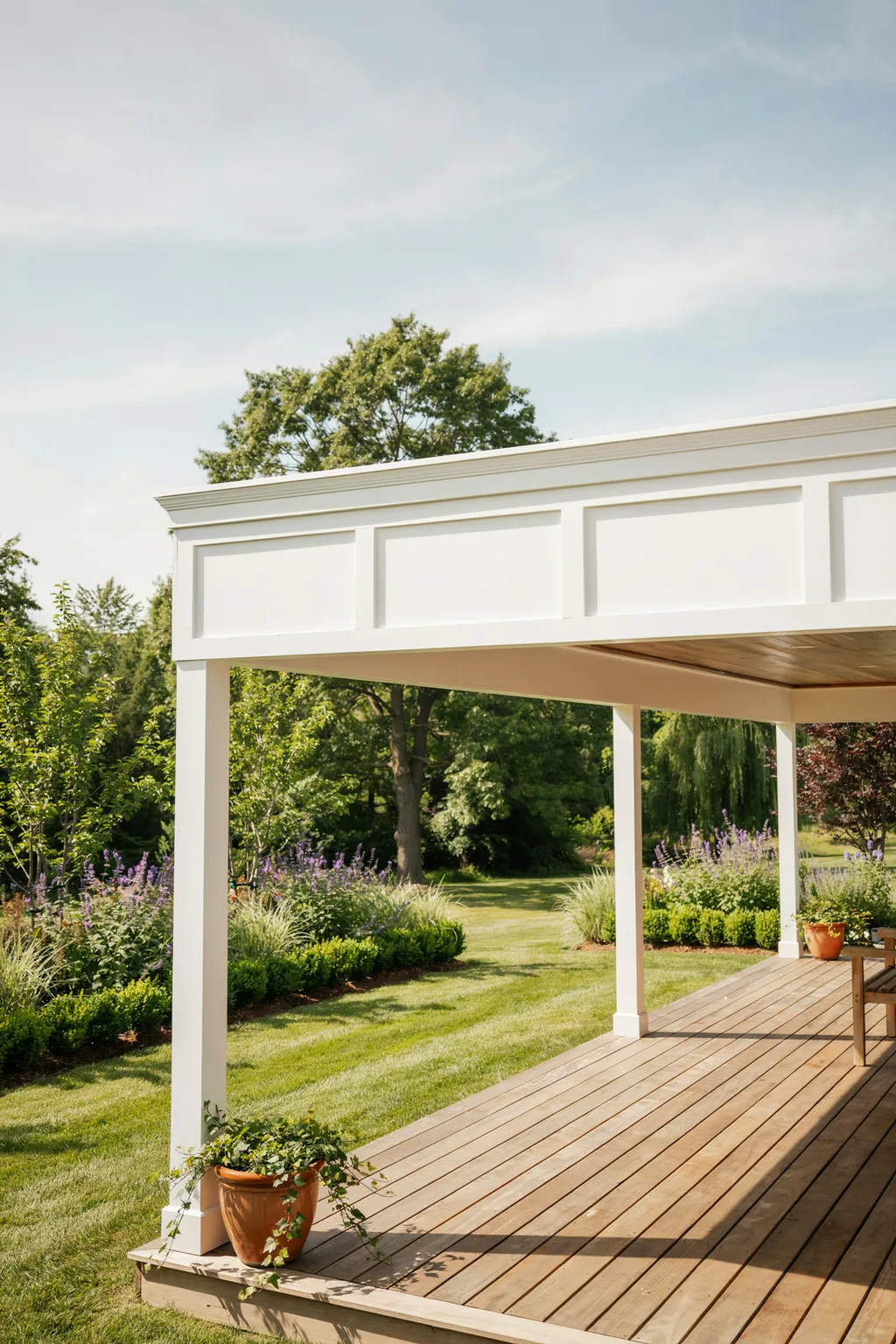
Plywood sits at the very bottom of the pricing tier for skirting materials. The execution dictates everything here. You can cut panels from thick exterior-grade plywood. Then nail basic 1×3 trim around the edges to build a classic panel effect. A sloppy paint job will make your house look terrible. Taking your time with clean paint lines changes the entire dynamic. The raw materials cost next to nothing. You are basically just paying with your own weekend patience.
16. Reclaimed Wood Planks
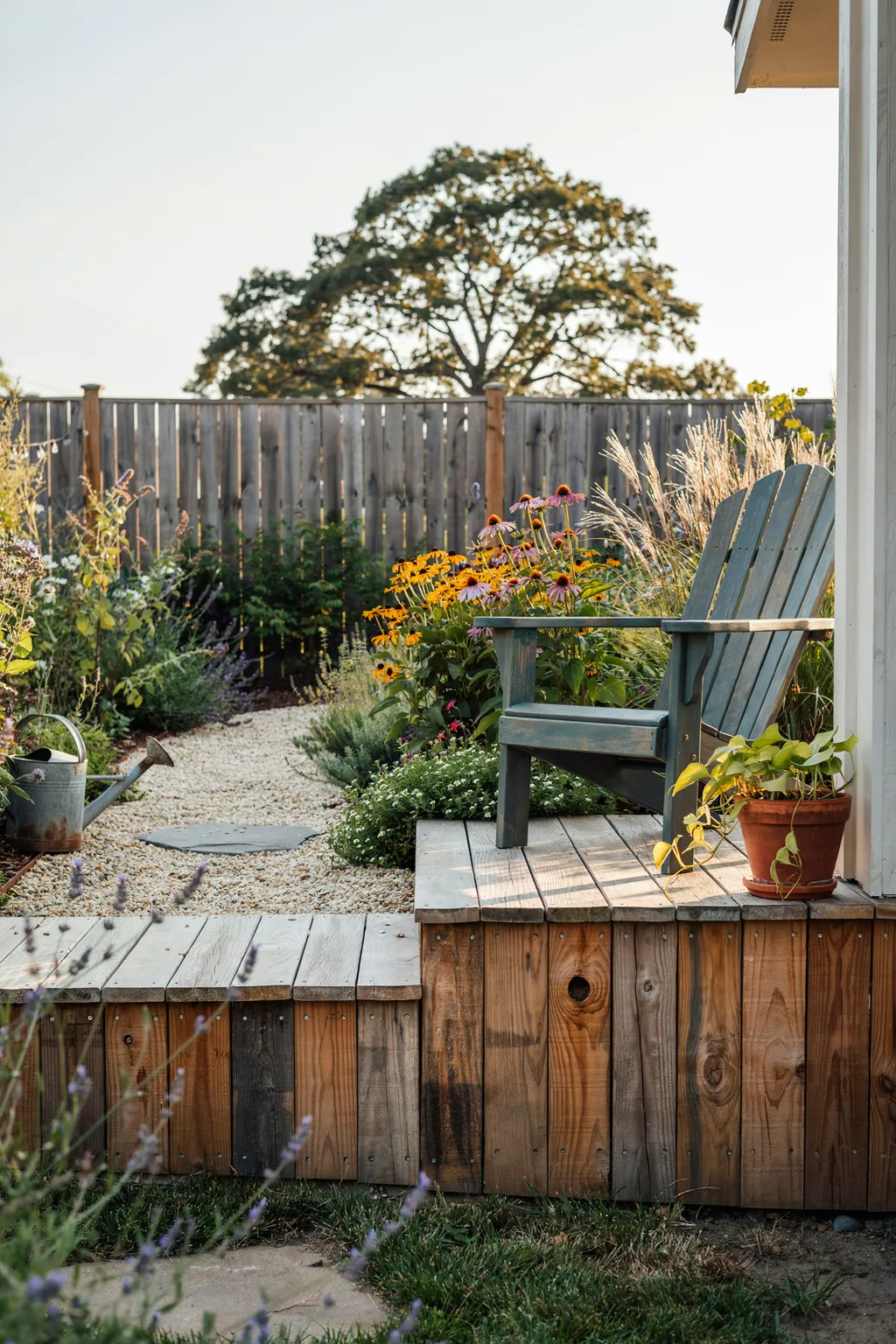
Reclaimed barnwood brings serious character to a bland backyard. Fresh lumber simply cannot replicate that kind of history. The natural weathering and deep knots create a lived-in aesthetic. I suggest sourcing boards that share a similar thickness so your installation actually goes smoothly. You will definitely want to coat the finished wall with a penetrating exterior sealer. This stops further rotting. It gives the structure a cozy warmth that perfect composite boards lack completely.
17. Horizontal Aluminum Slats
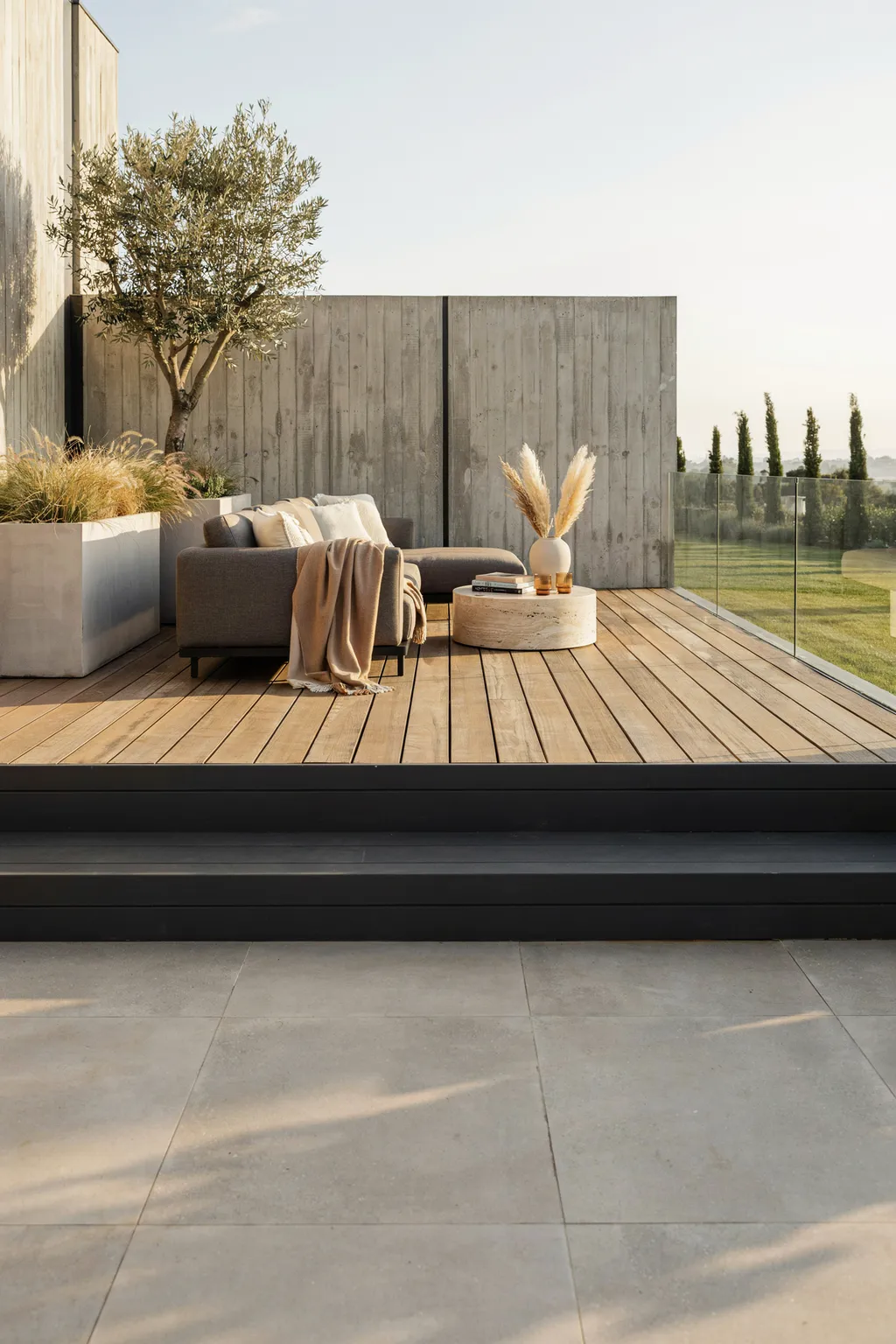
Powder-coated aluminum slats offer a highly modern appearance. They stay completely low-maintenance for decades. The metal completely refuses to rust. Those rigid horizontal lines look incredibly contemporary against a traditional house. I love pairing stark black aluminum with natural cedar decking. It creates a very sharp visual contrast. Many online metal suppliers will actually custom-cut these panels for you. You just need to provide the exact measurements of your deck gaps.
18. Wainscoting-Style Paneling
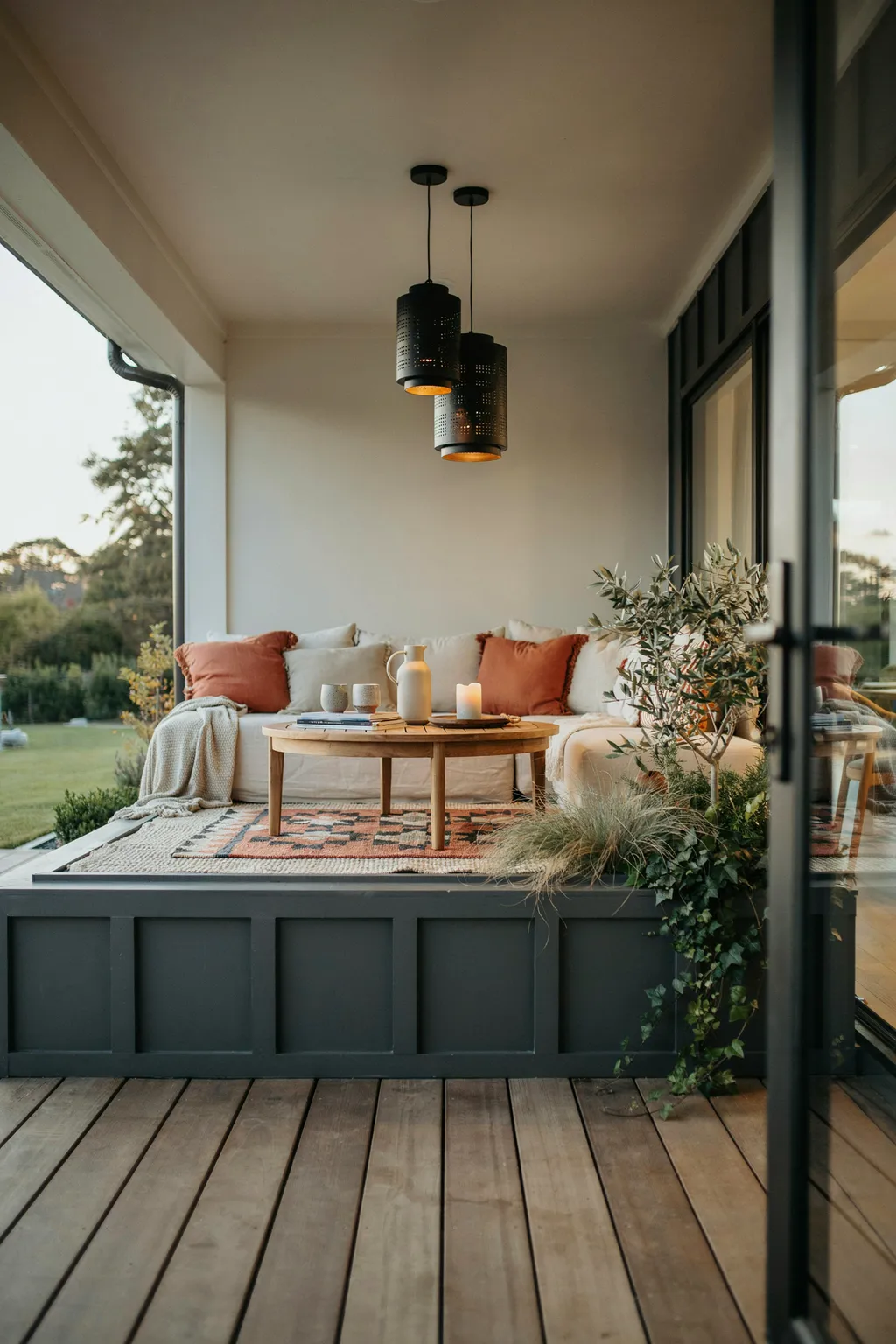
Installing decorative PVC wainscoting panels adds a surprisingly formal quality to your yard. It bridges the gap between indoor and outdoor living. This concept really only survives under fully covered decks. You need to keep direct rain exposure to an absolute minimum. I suggest painting the panels a dark moody shade like deep forest green. The raised detailing catches the afternoon sun beautifully. Flat wooden boards just cannot compete with that kind of shadow play.
19. Galvanized Mesh Panels
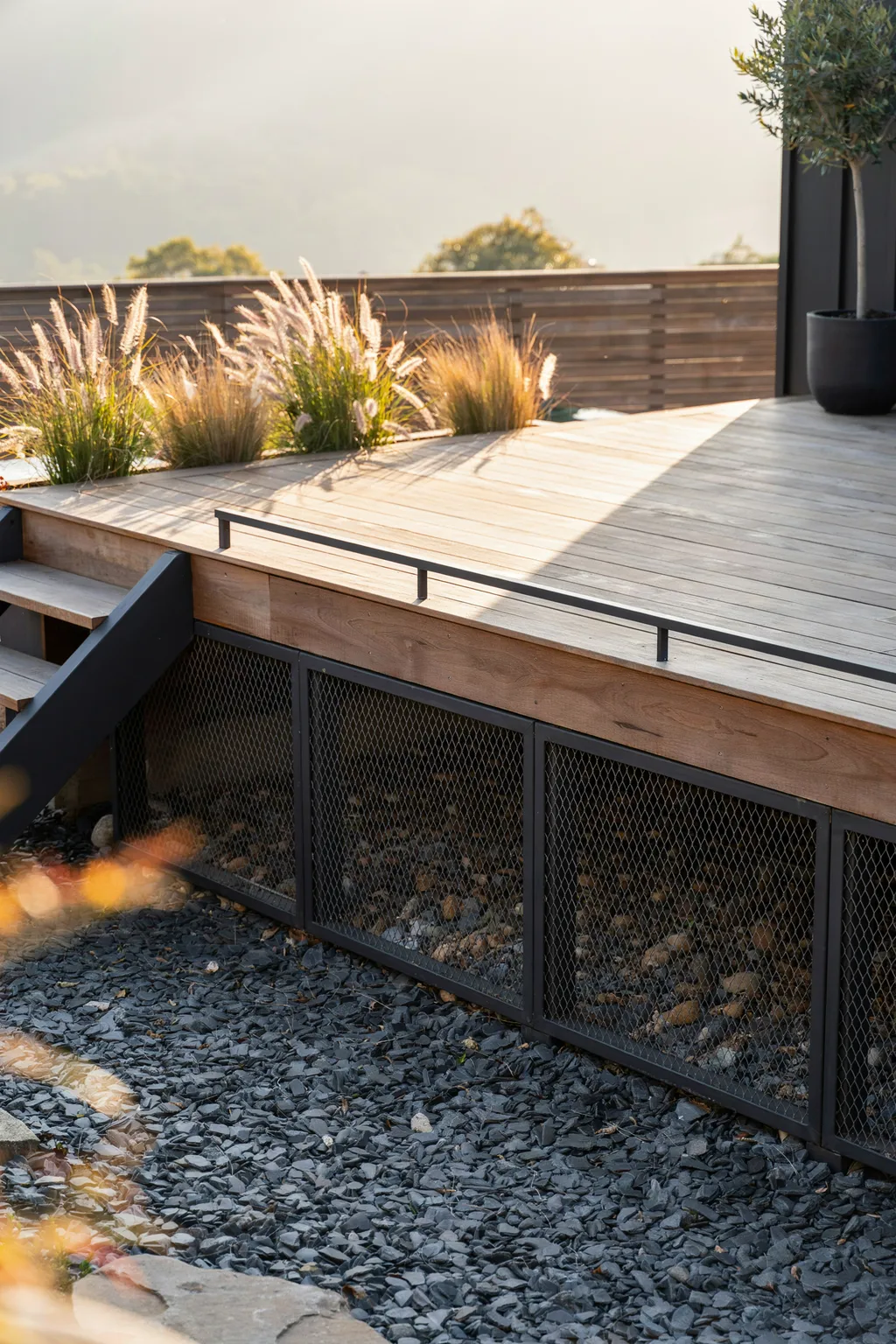
Welded wire mesh framed in thick wood creates an open aesthetic. It defines the outdoor space clearly while letting the breeze blow right through. It acts as an honest utility material. There is zero pretense of mimicking expensive stone or premium wood. That raw industrial directness works perfectly for modern backyards. A great trick is backing the metal mesh with heavy black landscape fabric. This perfectly hides your ugly garden hoses while maintaining the grid texture on the outside.
Also Read: 20 Pong Table Ideas That Will Level Up Game Night
20. Board-on-Board Vertical Privacy Style
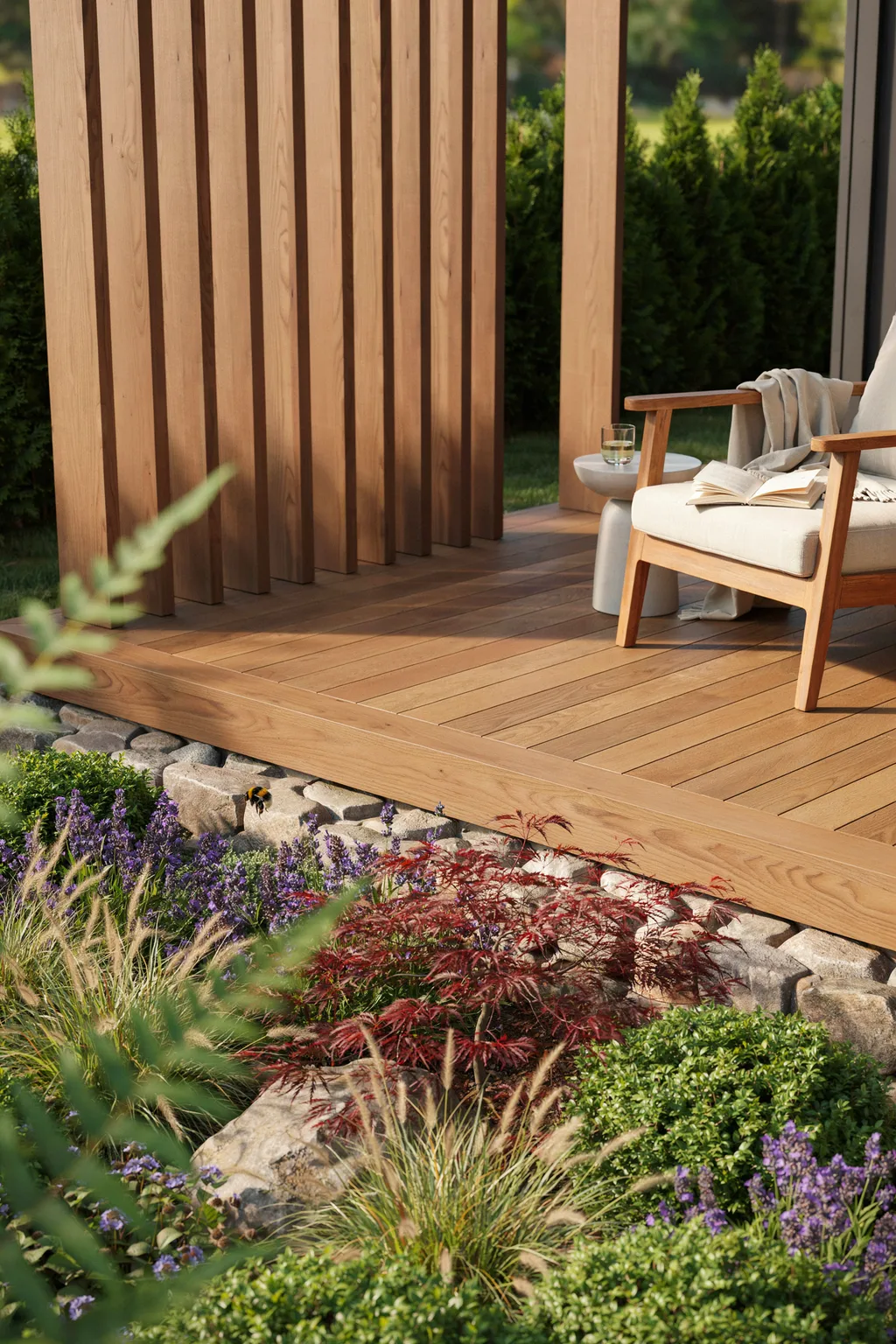
Board-on-board skirting relies on overlapping vertical planks. You alternate them front and back. This builds a totally solid wall while still allowing excellent airflow between the layers. Fence builders use this exact technique for privacy barriers. The overlapping setup adds thick shadow lines to the foundation. It forces a flat surface to look highly dimensional. Cedar remains the absolute best choice for this project. The natural oils fight off hungry insects and heavy rain.
Also Read: 22 Deck Privacy Wall Ideas for a Cozy Outdoor Space
Final Thoughts
You can find a skirting option to match your exact budget. It really comes down to analyzing how you plan to use that weird space under your deck. The setups that look the most polished always connect back to the main house. They borrow a specific paint color or match a piece of existing siding. It makes the whole property feel cohesive. Now you just need to measure your gaps and pick your favorite material.